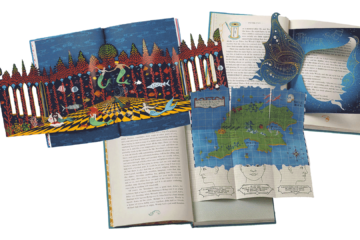
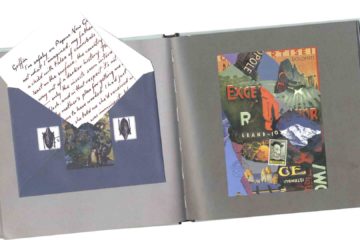
This section explores interactive mysteries with removable ephemera and clues to help you solve them. (It’s a bit shorter than the other pages, but it still feels like a different section.)
I hope you enjoy, and do let me know in the comments if I’ve forgotten one of your beloved titles!
Mystery narratives that are accompanied by paper clue props that can be removed from the books and studied to solve the mystery. (The solution is sealed at the back of the book.)
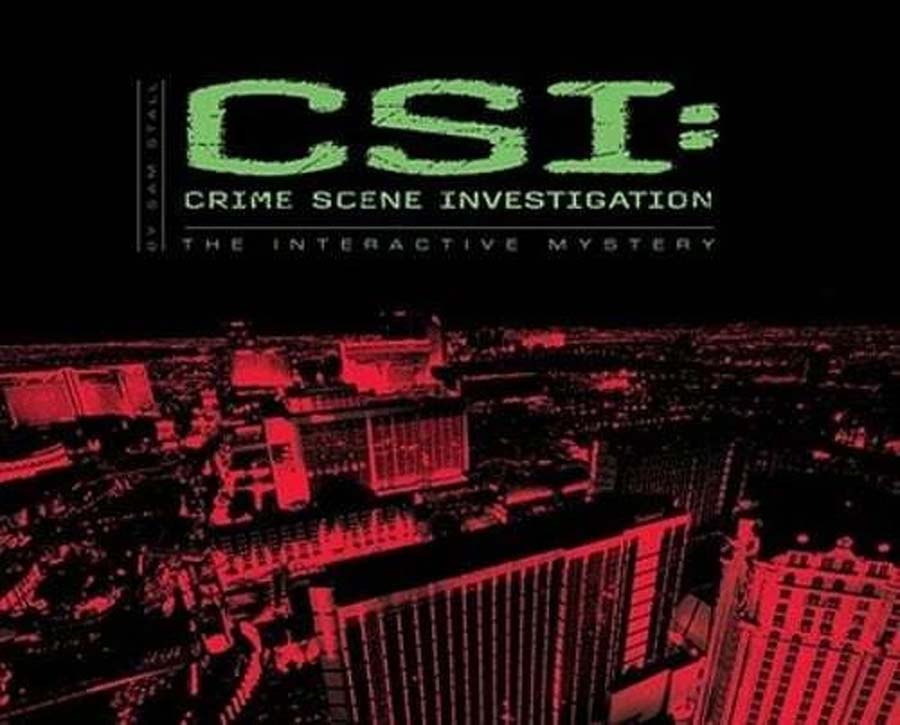
CSI: Crime Scene Investigation – The Interactive Mystery by Sam Stall
Quirk Books, 2009.
Mel Bledsoe is found murdered in his ultra-tacky Las Vegas McMansion. Includes eight removable pieces of evidence to study (including a blood-spattered booklet, a shredded document, architectural blueprints, and more).
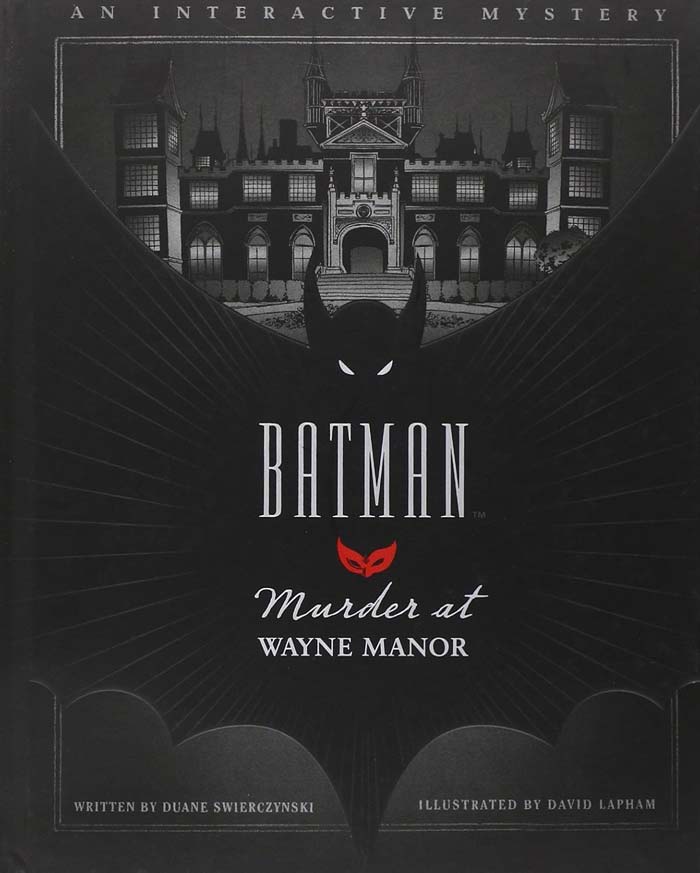
Batman: Murder at Wayne Manor - Duane Swierczynski
Quirk Books, 2008.When a construction crew at Wayne Manor discovers a long-buried corpse, all the evidence points to Bruce Wayne’s late father, Thomas, as the murderer. Removable clues include police reports, his father’s journal, maps news clippings, forensic samples, and family photographs.
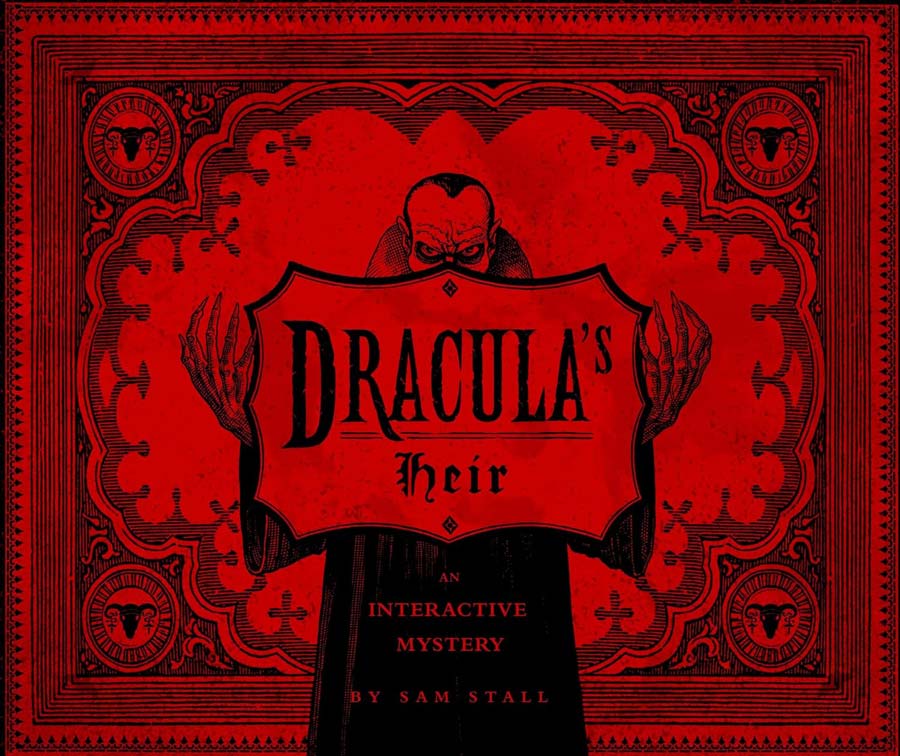
Dracula's Heir: An Interactive Mystery - Sam Stall
Quirk Books, 2008.
When Dracula was first published in 1897, the first chapter of Dracula was cut from the book just weeks before publication. Here, it becomes the central clue in an interactive mystery.
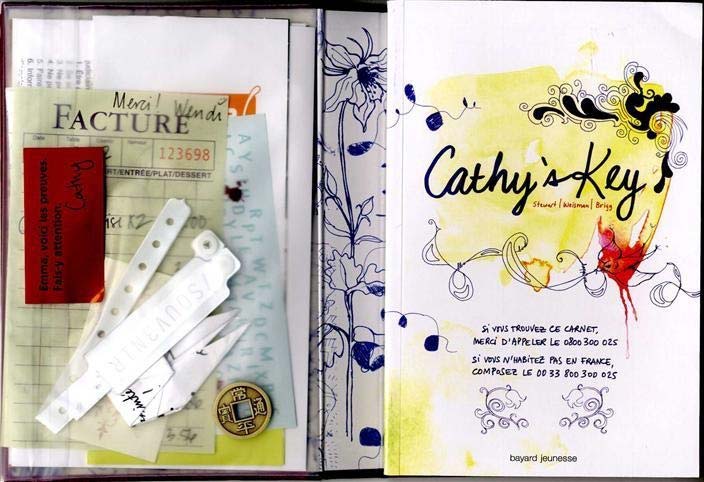
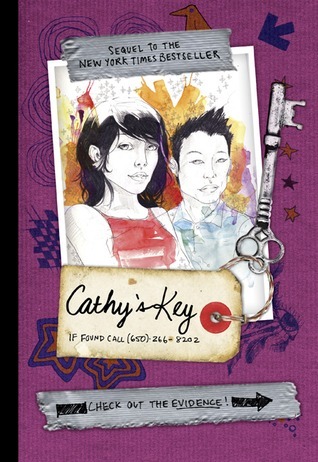
Cathy Vickers Trilogy - Sean Stewart & Jordan Weisman, illustrated by Cathy Brigg
These YA diary-style mysteries include evidence packets (letters, photos, and other documents like napkins and a ring). Only the first hardcover editions include a separate evidence packet with removable items, later reprints include the items printed in the back. The phone numbers connect to voicemail messages you can unlock with codes from the book.
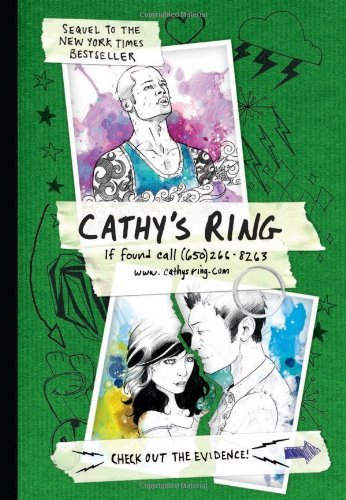
Cathy's Ring: If Found Call (650) 266-8263
Running Press, 2009.9780762435302. Cathy weighs flight against fighting back, and the series resolves the big choices around her future with Victor
Running Press, 2008.9780762430857. The mystery expands into Cathy’s family history and the science/politics of immortality. Evidence deepens and a homicide investigation tightens around Cathy’s circle.
Running Press, 2006.9780762426560. After being dumped by her secretive (and older‑than‑he‑seems) boyfriend Victor, 17‑year‑old artist Cathy Vickers starts to investigate, in a journal that spirals into a clue‑hunt across evidence, websites, and phone messages.
Mysteries are solved through finding paper engineered clues hidden in pull-out dossiers, secret labels, and pop-ups. There are also replayable/multiple endings.
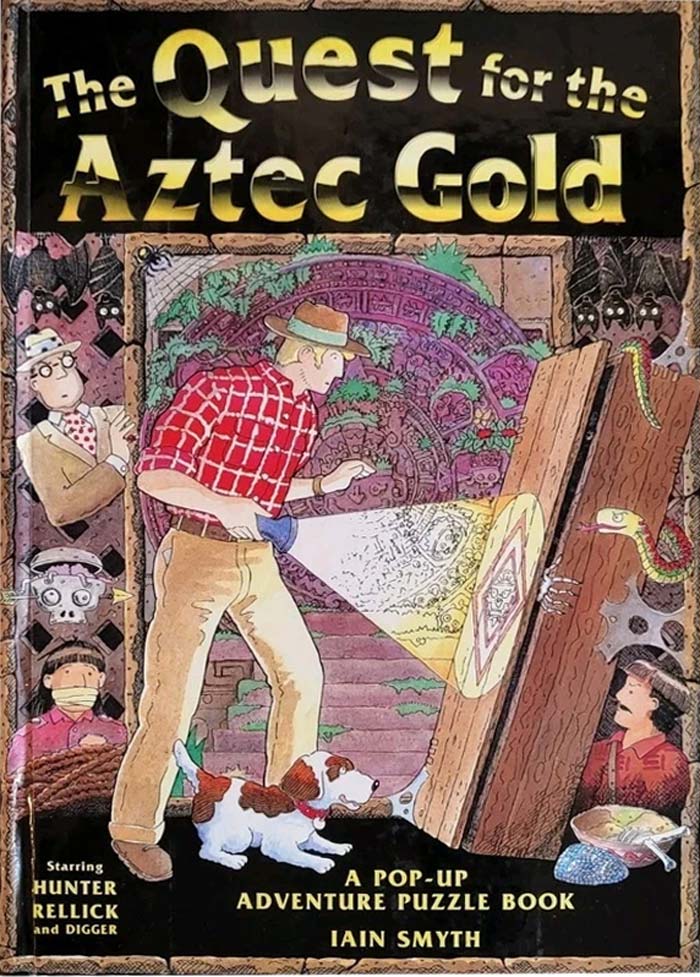
The Quest for the Aztec Gold
HarperCollins, 1998. In this race against time you move through the temple of El-Fyro with only your wits and some curious hieroglyphs to help you. Pop-ups and flaps on every spread.
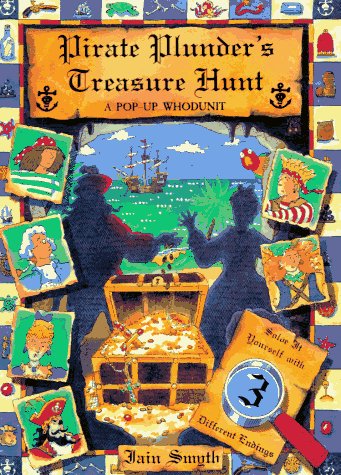
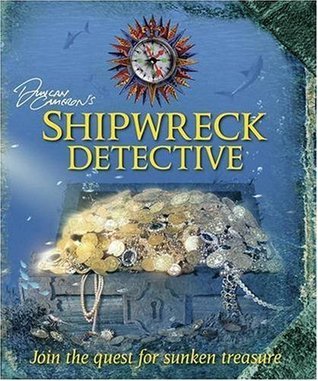
Orchard, 1996. Puzzle-solving landlubbers will quickly get their sea legs as they join six suspicious characters on a high-speed hunt for treasure through this pop-up adventure
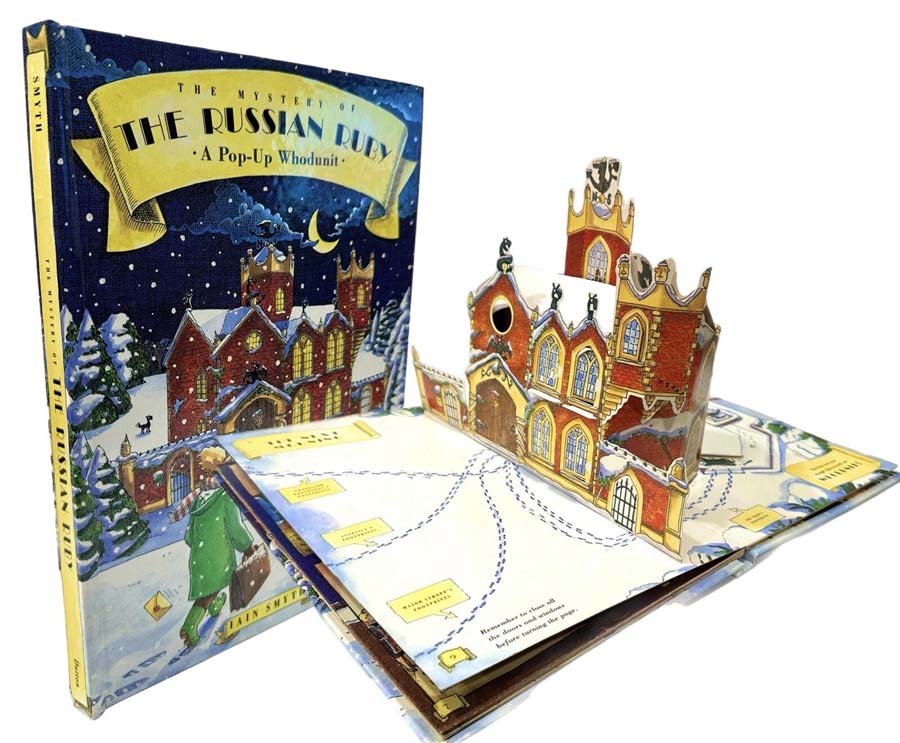
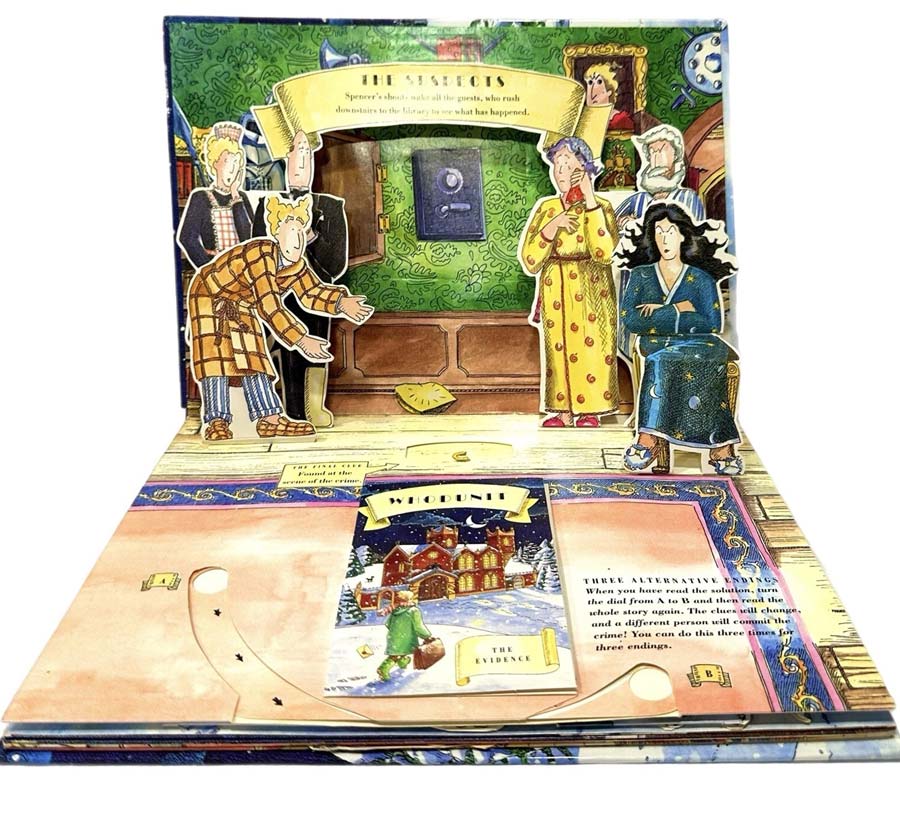
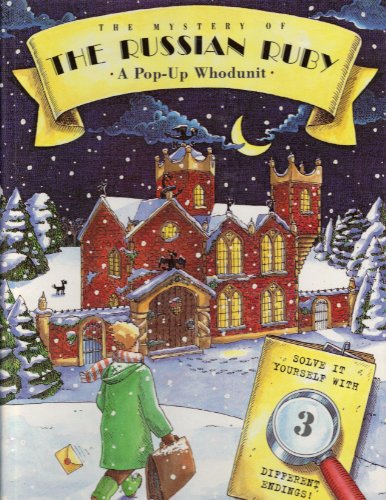
Dutton/Orchard Books, 1994. A Russian ruby goes missing at country-house party at Wilby Court and clues include police reports, newspaper articles, and dossiers.
Museum of Adventures - Thomas C. Brezina, illustrated by Laurence Sartin
First published in German and later translated for English readers, these artistic learning adventures include elements like decoders, scrolls and mirrors to follow the clues and solve the mystery.
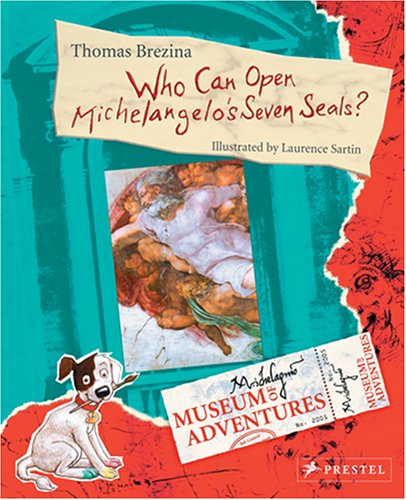
Who Can Open Michelangelo's Seven Seals?
Prestel, 2006. Readers try to solve the riddles of Michelangelo’s secret chamber as they go on a magical journey that introduces them to the life and culture of sixteenth-century Italy.
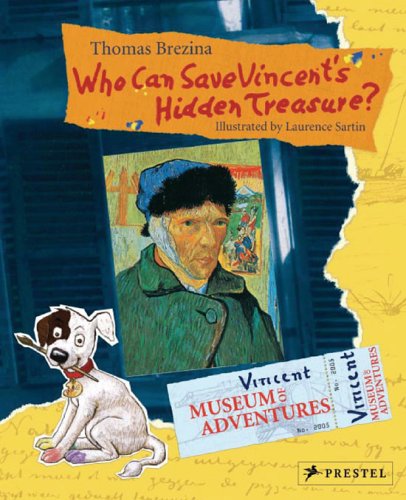
Prestel, 2005. Armed with Vincent’s private letters to his brother Theo, a decoding lens and treasure map, young artistic detectives will embark on an journey to discover why famous paintings are starting to fade.
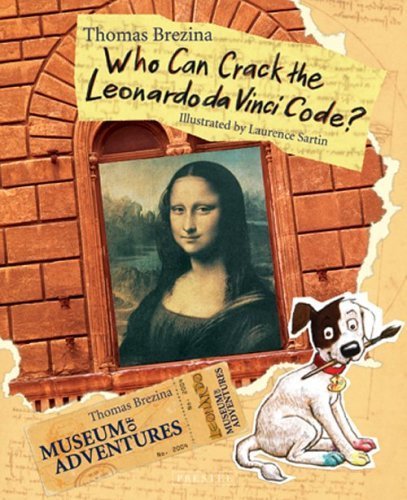
Prestel, 2005. By traveling back in time to meet Leonardo da Vinci, and solving a series of riddles about the great artist using the riddle booklet and mirror, the reader can save the Museum of Adventures from a thieving doctor.
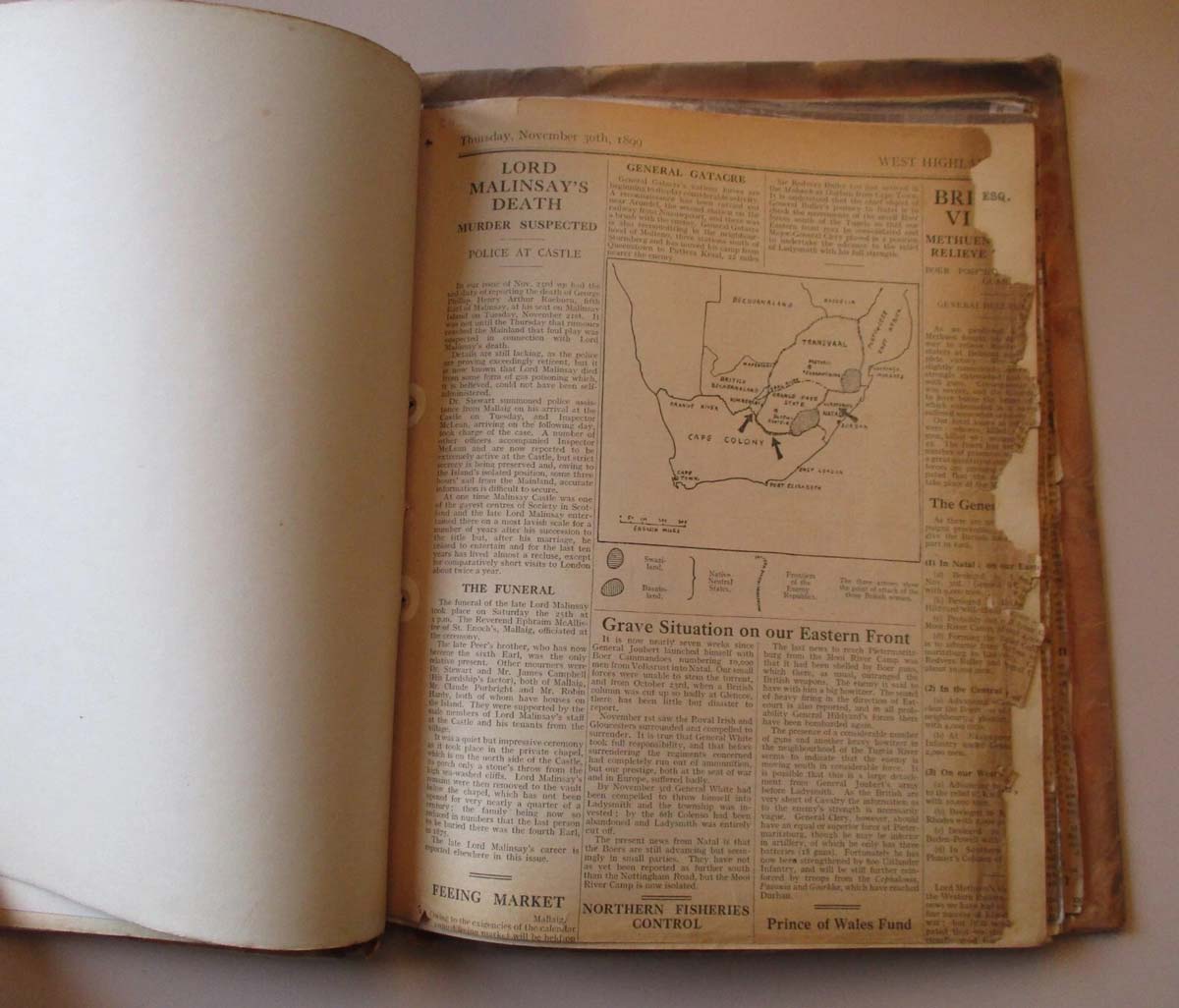
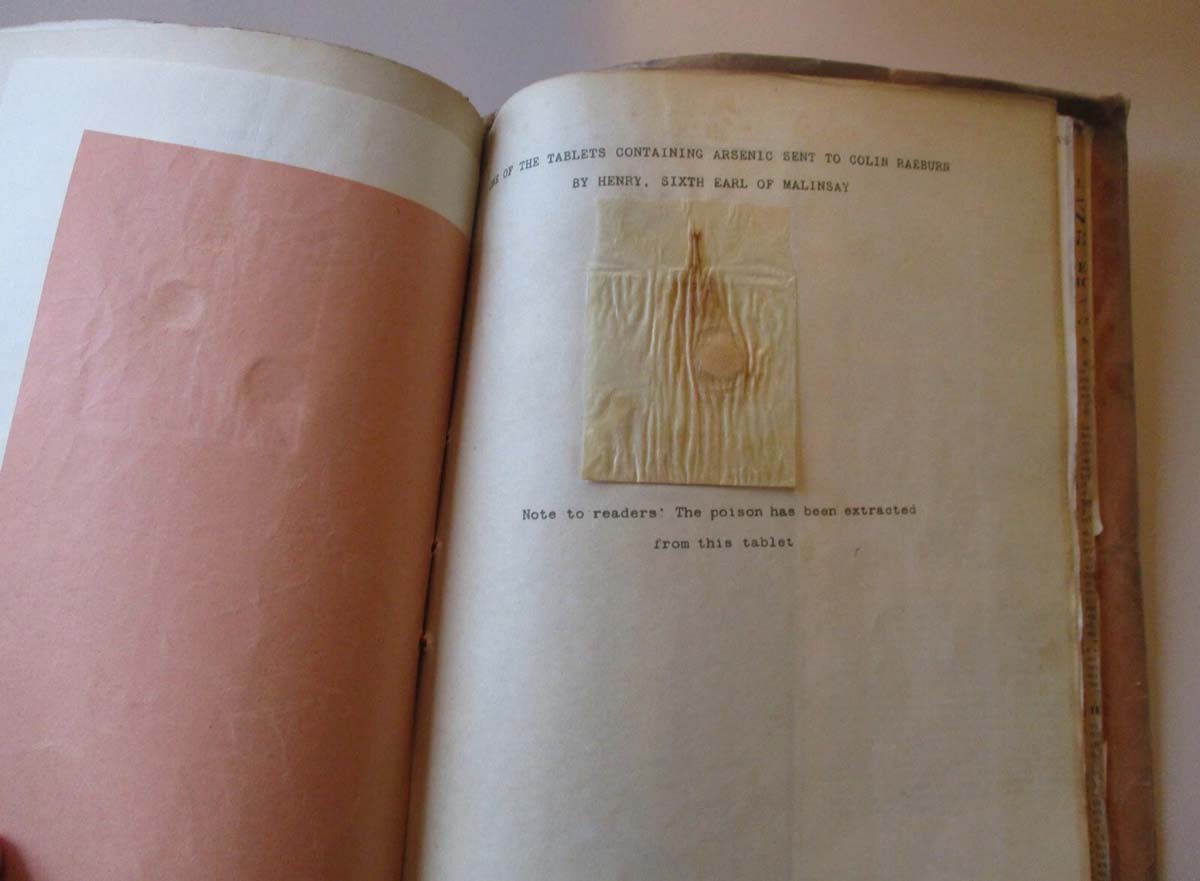
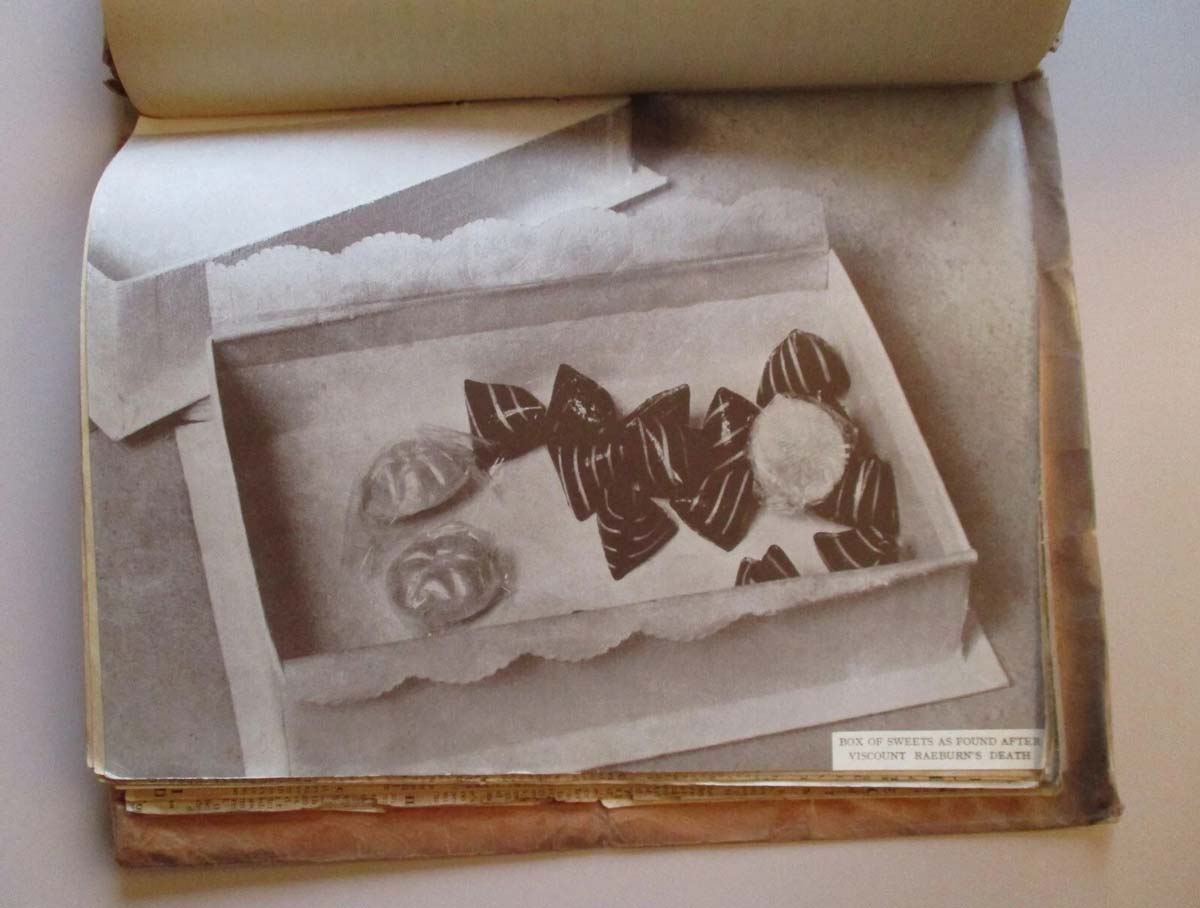
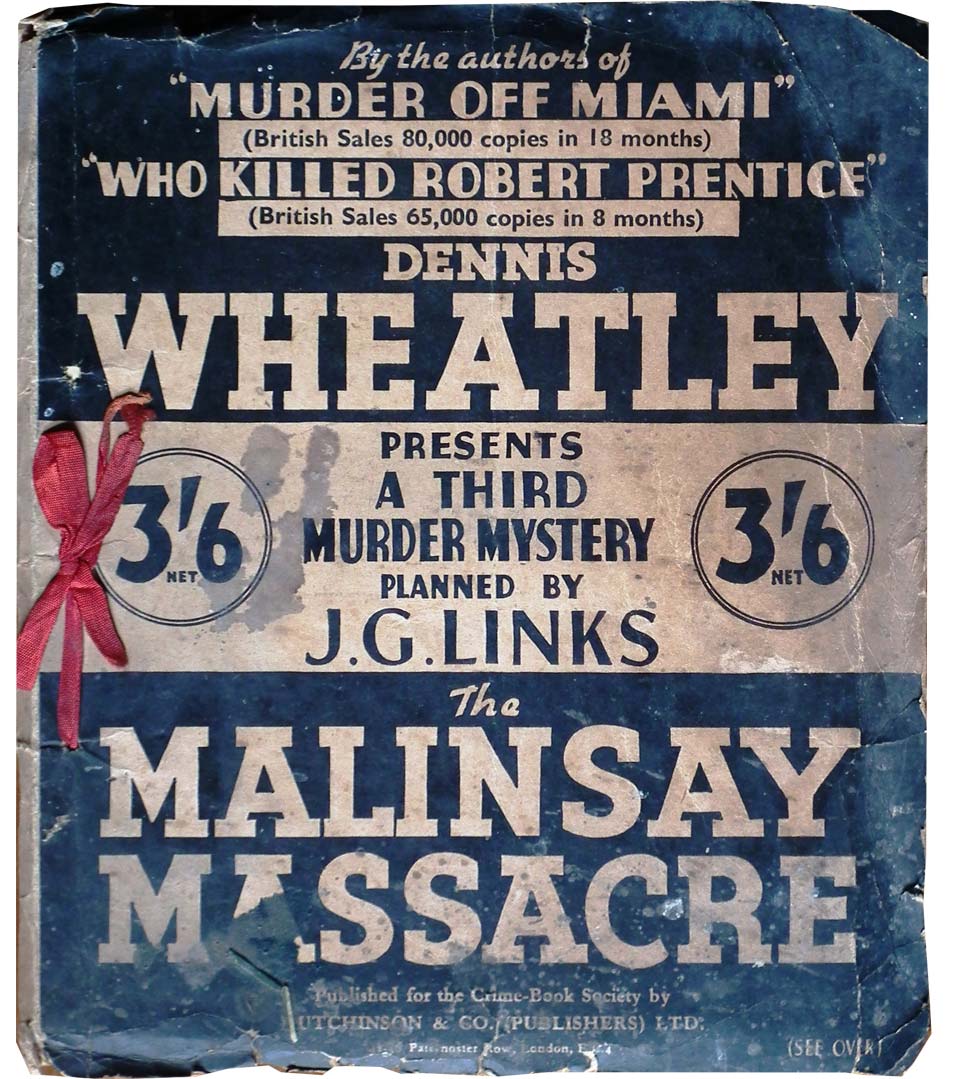
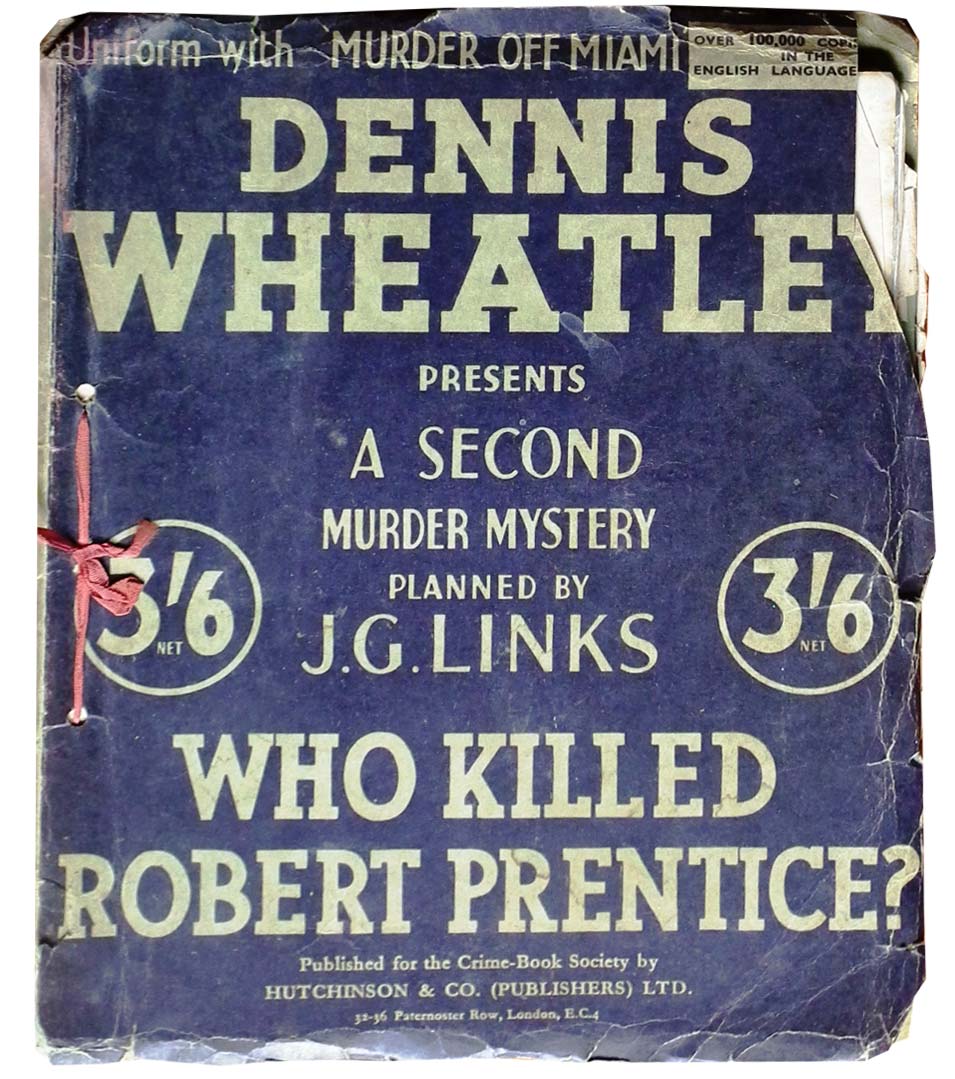
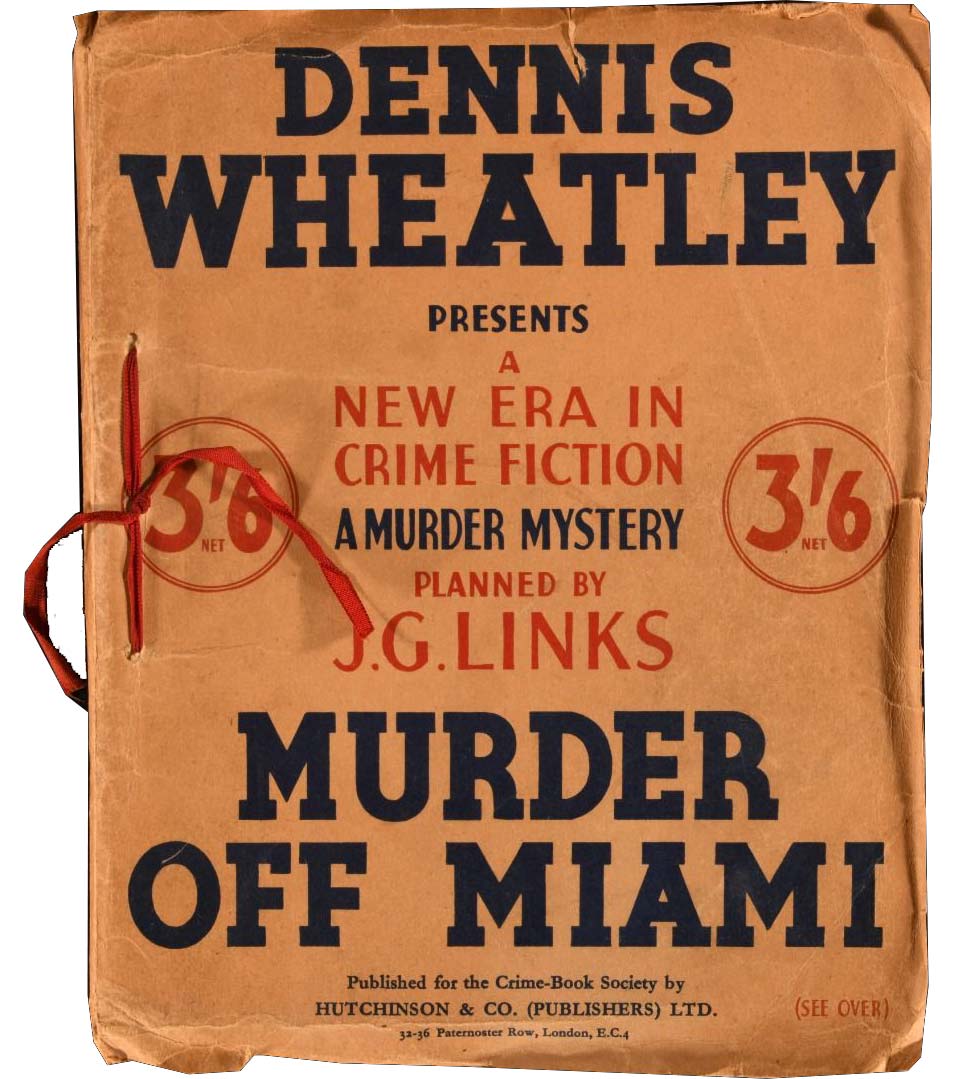
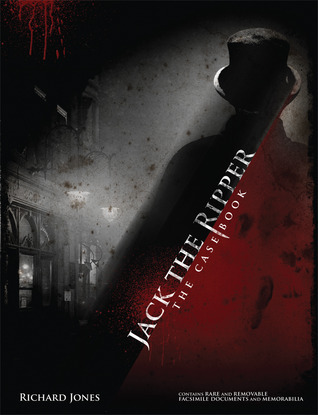
Presented to the reader in the form of a complete police dossier, the original folders contained collections of facsimile letters, photos and other evidence (including real cigarette ends, hair, fabric and “poison” tablets) that must be examined to solve the mystery. The 1979-1982 Hutchinson/Webb & Bower (UK) and Mayflower/WH Smith (US) facsimile editions also have removable evidence. The 1986 hardbacks by Webb & Bower/Michael Joseph use a flat, non-removable presentation.
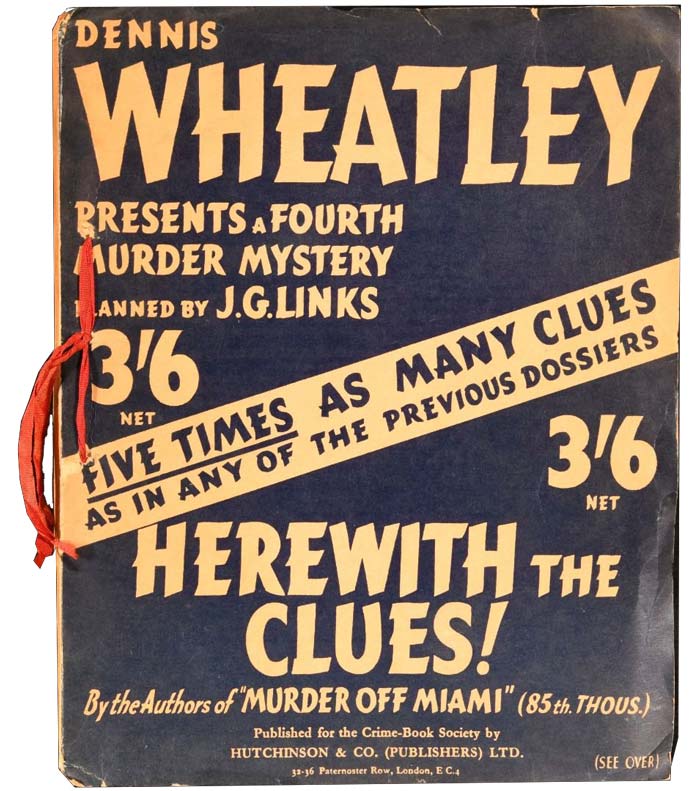
Herewith the Clues
First published by Hutchinson, for the Crime-Book Society, 1939. Multiple subsequent reprints.
A London dossier centered on the murder of club‑owner Serge Orloff at the Milky Way Club and the web around Carlotta Casada.
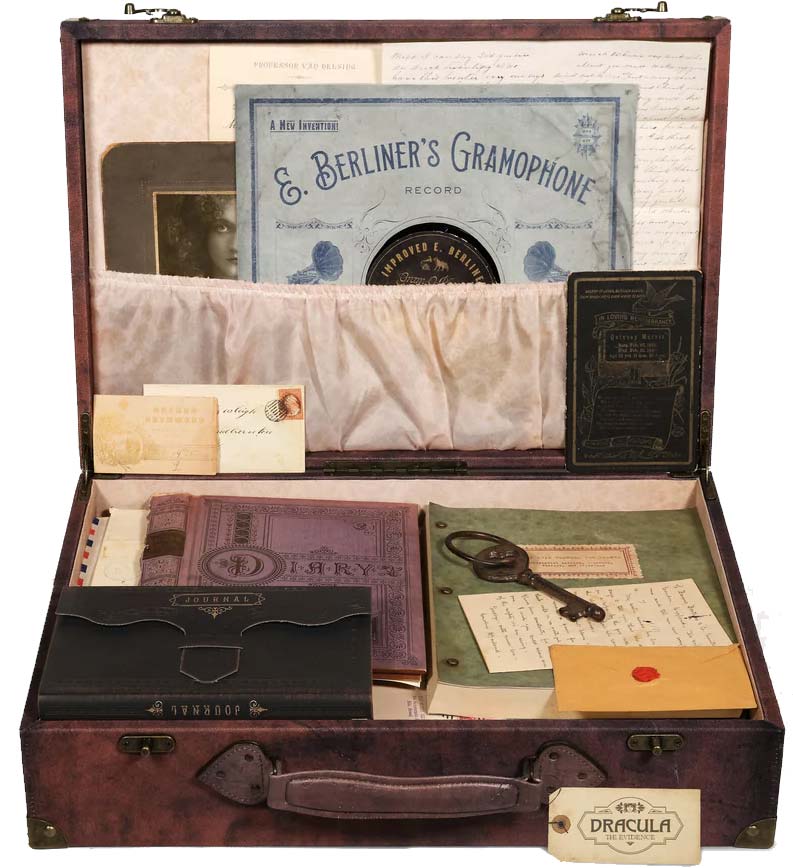
Stoker’s novel reimagined as a briefcase/box of artifacts – the entire original text of Dracula, presented through reproduced maps, letters, diaries, newspaper clippings, and telegrams.
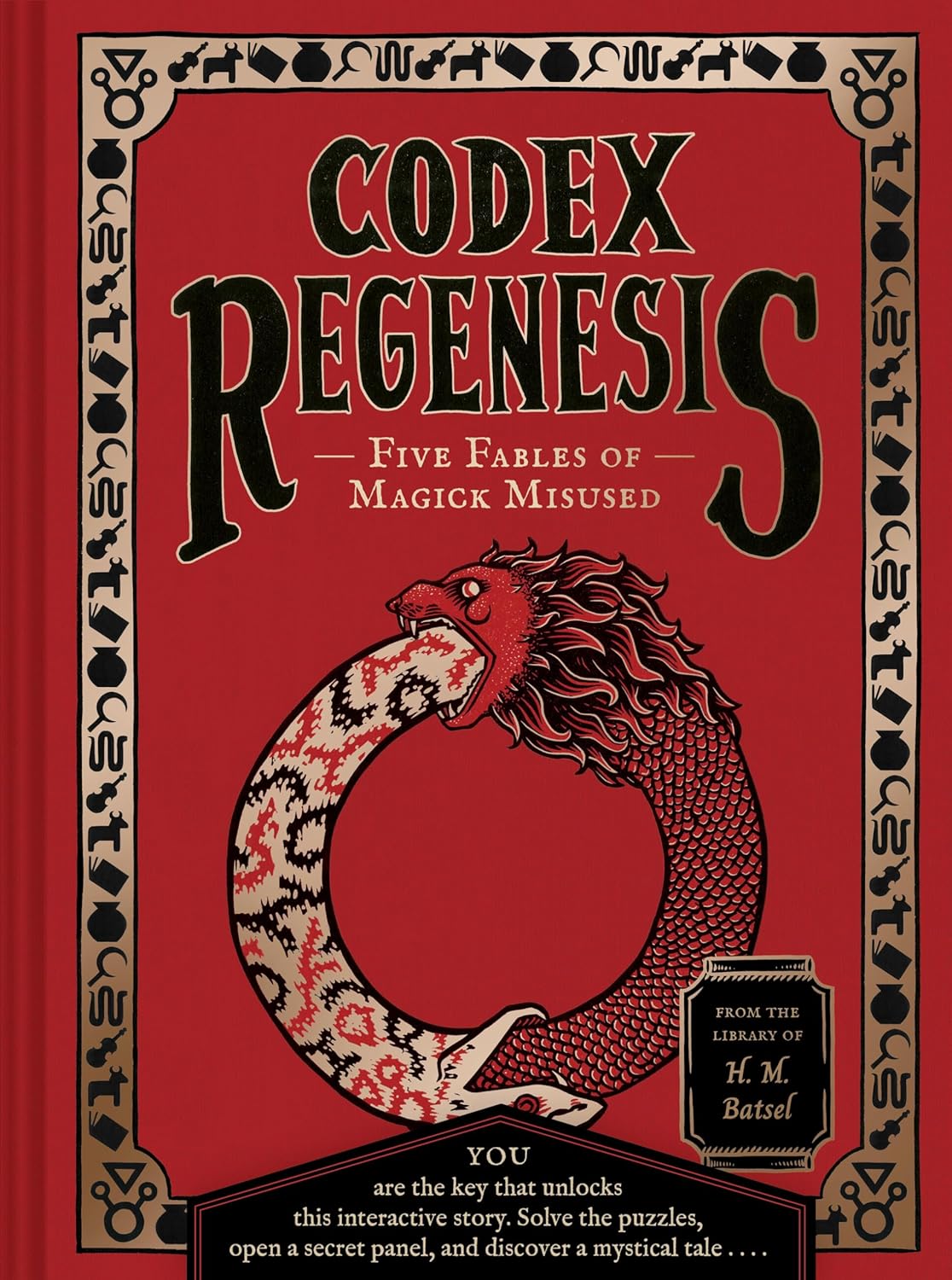
★ Codex Regenesis: Five Fables of Magick Misused - H. M. Batsel
Chronicle Books, 2025. 9781797227238.
A beautifully illustrated interactive literary mystery with paper mechanics, clues, a final riddle, and a paper engineered secret compartment you have to unlock to access the removable artefactes.
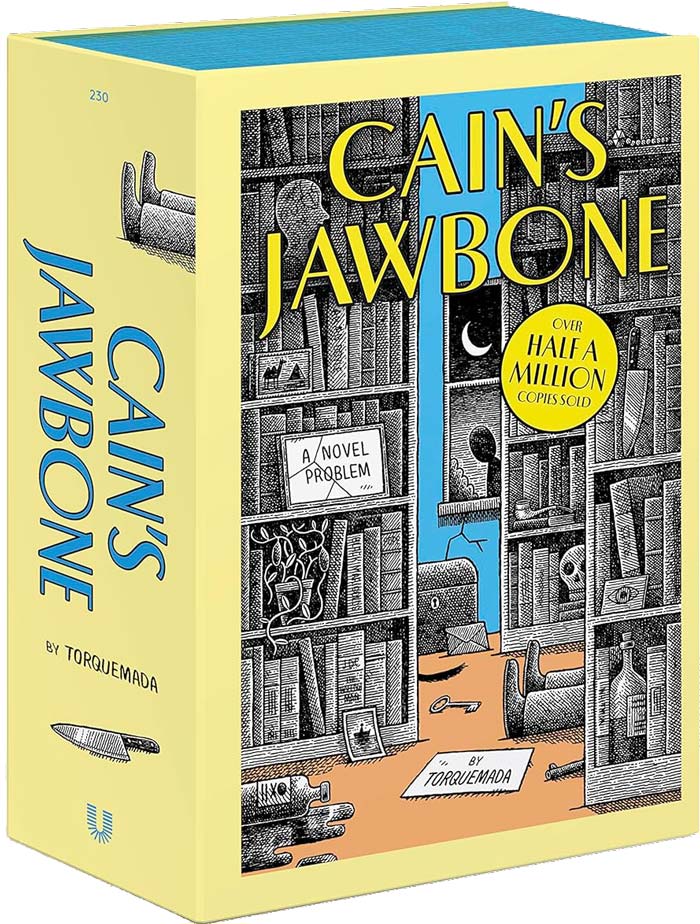
★Cain's Jawbone (Deluxe) - Edward Powys Mathers ("Torquemada")
Unbound, 2023. 9781800182912.
The ultimate literature‑as‑puzzle: 100 page‑cards in the wrong order; you have to physically rearrange them to identify six victims and their killers. Fiendishly difficult. (Most versions are in book form, but this one has all the pages on cards.)
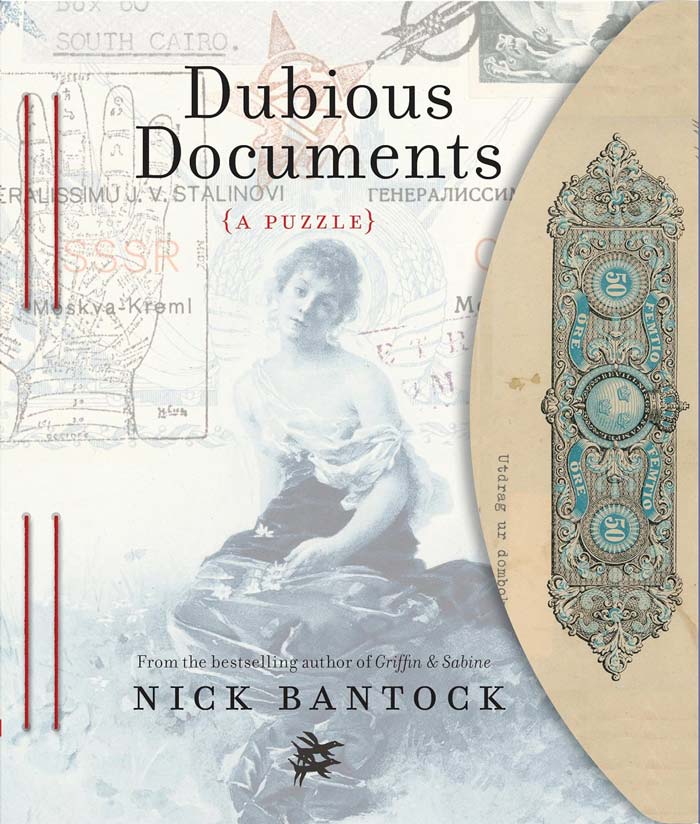
Readers must study a note by a mysterious character called Magnus Berlin, a list of clues, and 16 multifaceted notes and envelopes to decode cryptic anagrams, pictograms, number puzzles, and wordplay.
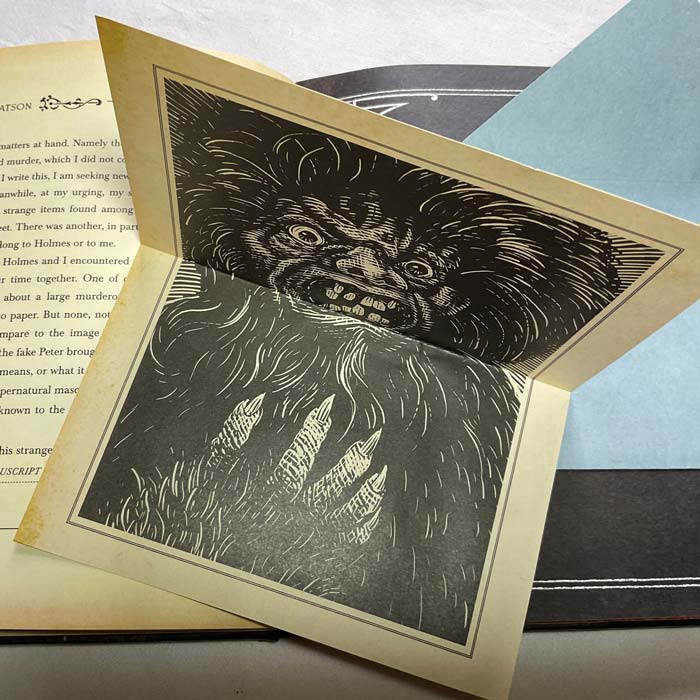
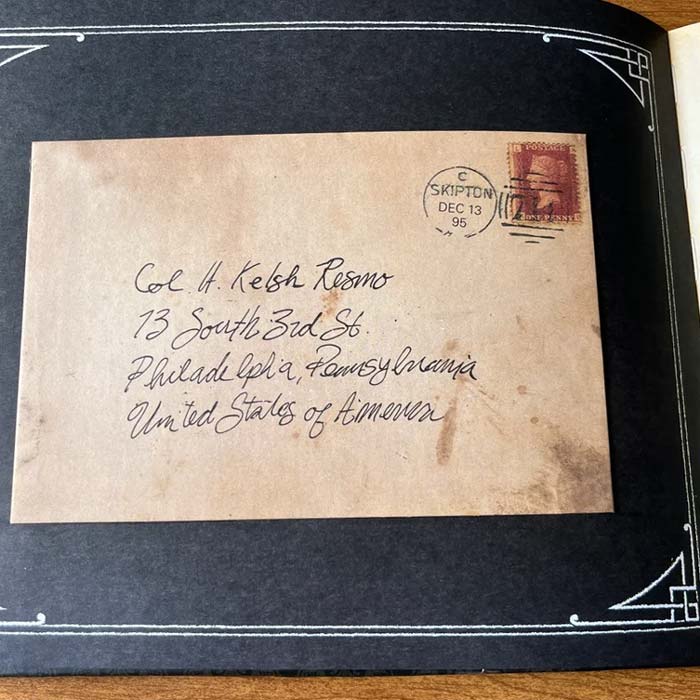
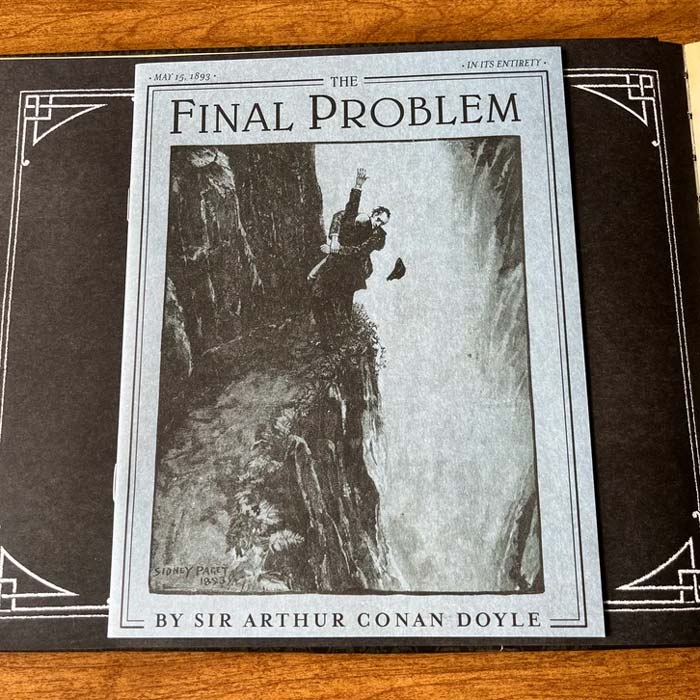
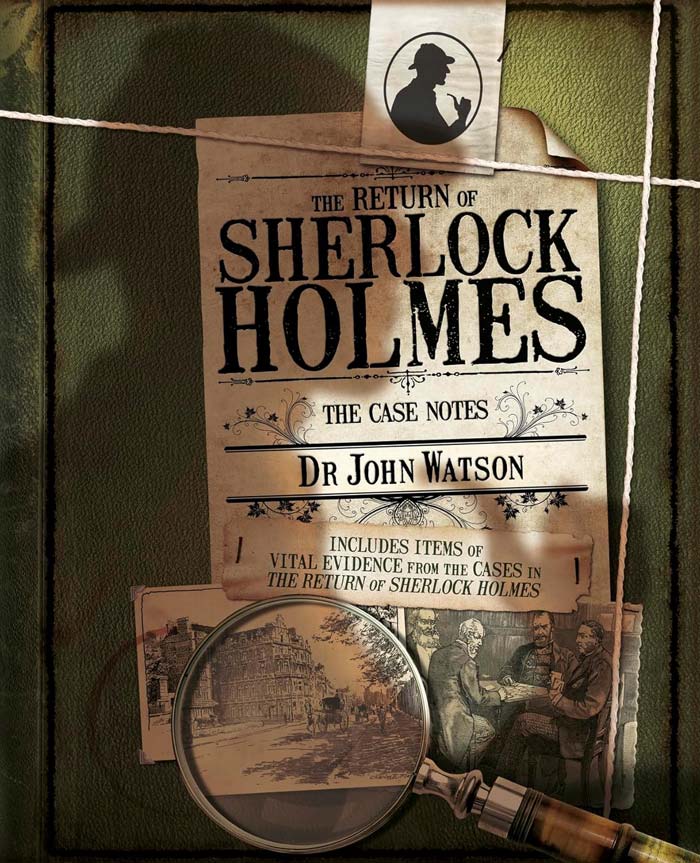
The Return of Sherlock Holmes: The Case Notes — Joel Jessup
Andre Deutsch, 2015.
Chronicles nine fascinating cases solved by the world’s most famous detective, with 15 glassine envelopes throughout that contain newspaper articles, sketches and maps that were crucial to solving the case.
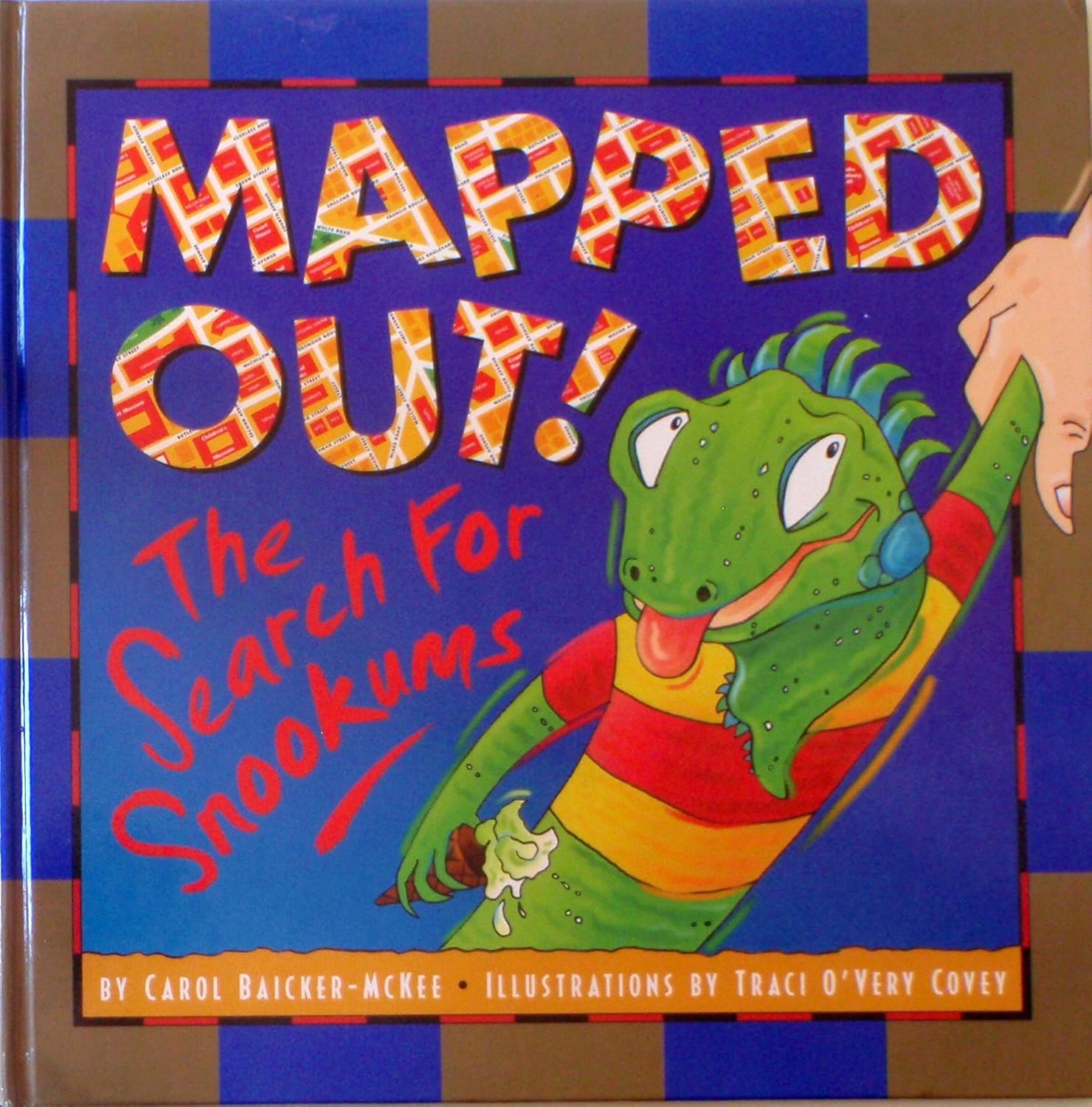
Mapped Out! The Search for Snookums - Carol Baicker-McKee, illustrated by Traci O'Very Covey
Gibbs Smith, 1997. 9780879057886.
Readers use maps and clues to help blind detective Biance Beare rescue a rare pet iguana (readers often remember this as a lizard, so I’m including that as a keyword here for searchers) from kidnappers. Includes removable clues in envelopes and a map at the back.
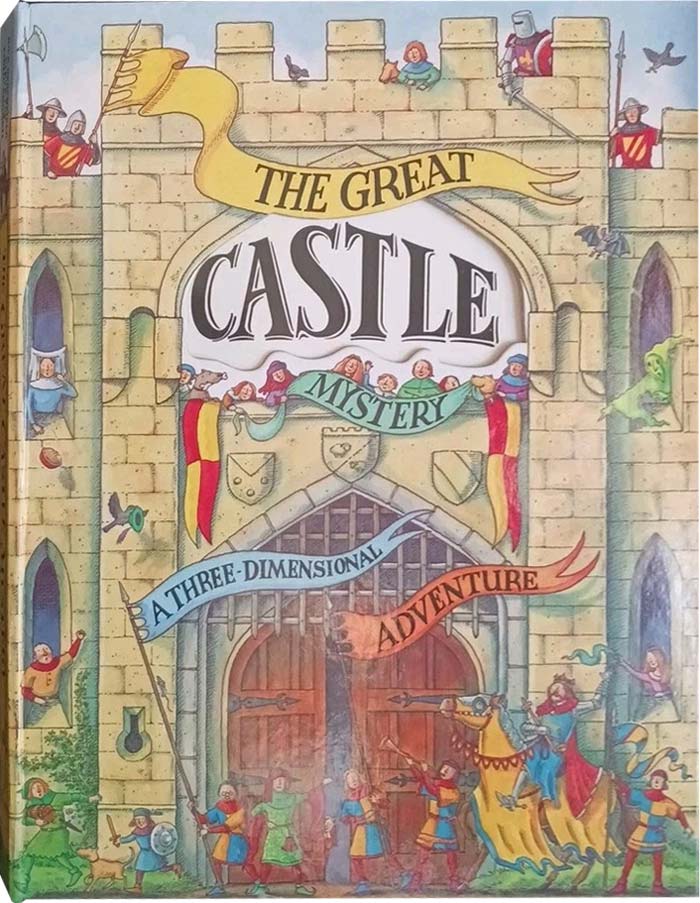
The Great Castle Mystery Pop-Up Adventure - Nick Denchfield
HarperFestival, 1996.
A 3-D pop-up model of Baron Swarthy’s Castle accompanies a fact-filled book that tells of a murder and invites readers to look for clues (by looking through windows and opening doors) to discover the villain’s whereabouts before the king arrives.
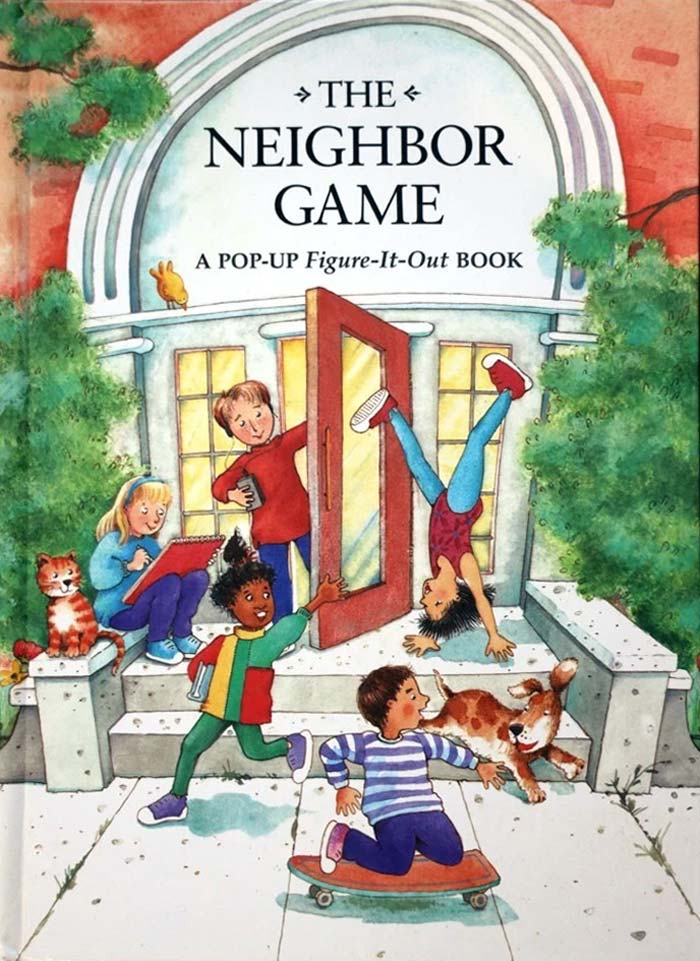
The Neighbor Game: A Pop-Up Figure-It-Out Book - Arnold Shapiro
Dial Books, 1994. 9780803712393.
Using clues on each page, readers are asked to figure out the last names of five classmates and which floor they live on in the same apartment building.
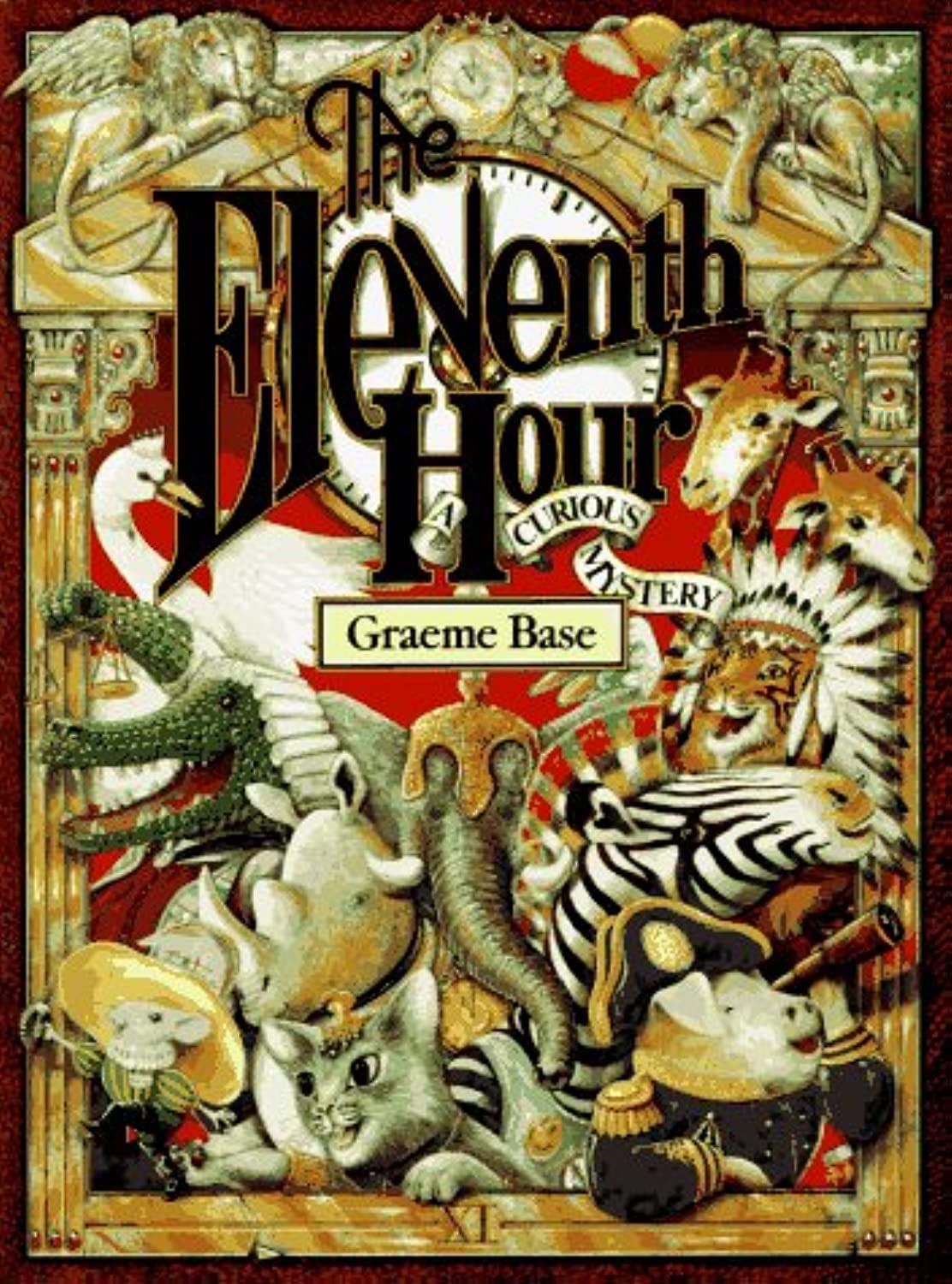
The Eleventh Hour: A Curious Mystery - Graeme Base
Abrams, 1993. 9780810932654.
Someone eats the cake before Horace the elephant can celebrate his birthday. Examine the stunning artwork on each page to find hidden messages and clues to deduce the thief’s identity. (An answer key is sealed in the back of the book.)
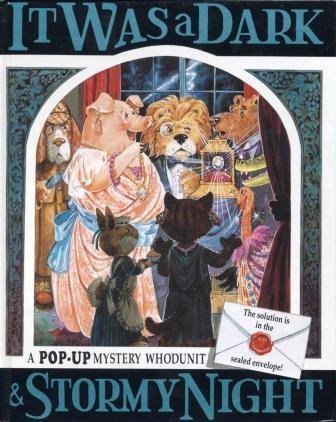
★ It Was A Dark and Stormy Night: A Pop-Up Mystery Whodunit - Keith Moseley
Dial Books, 1991. 9780803710214.
When Penelope Pig’s diamond is stolen during a “dark and stormy night,” Inspector Derek Dog must question an assortment of suspects. (Solution is sealed in the back of the book.)