Beautiful Books · Reading Guide
Raw Shark Texts - Steven Hall
A reader’s hub for elements related to Steven Hall’s strange, playful novel — including the Negatives, conceptual fish, game, and musings on the literary and musical Easter eggs.
Raw Shark Texts Hub
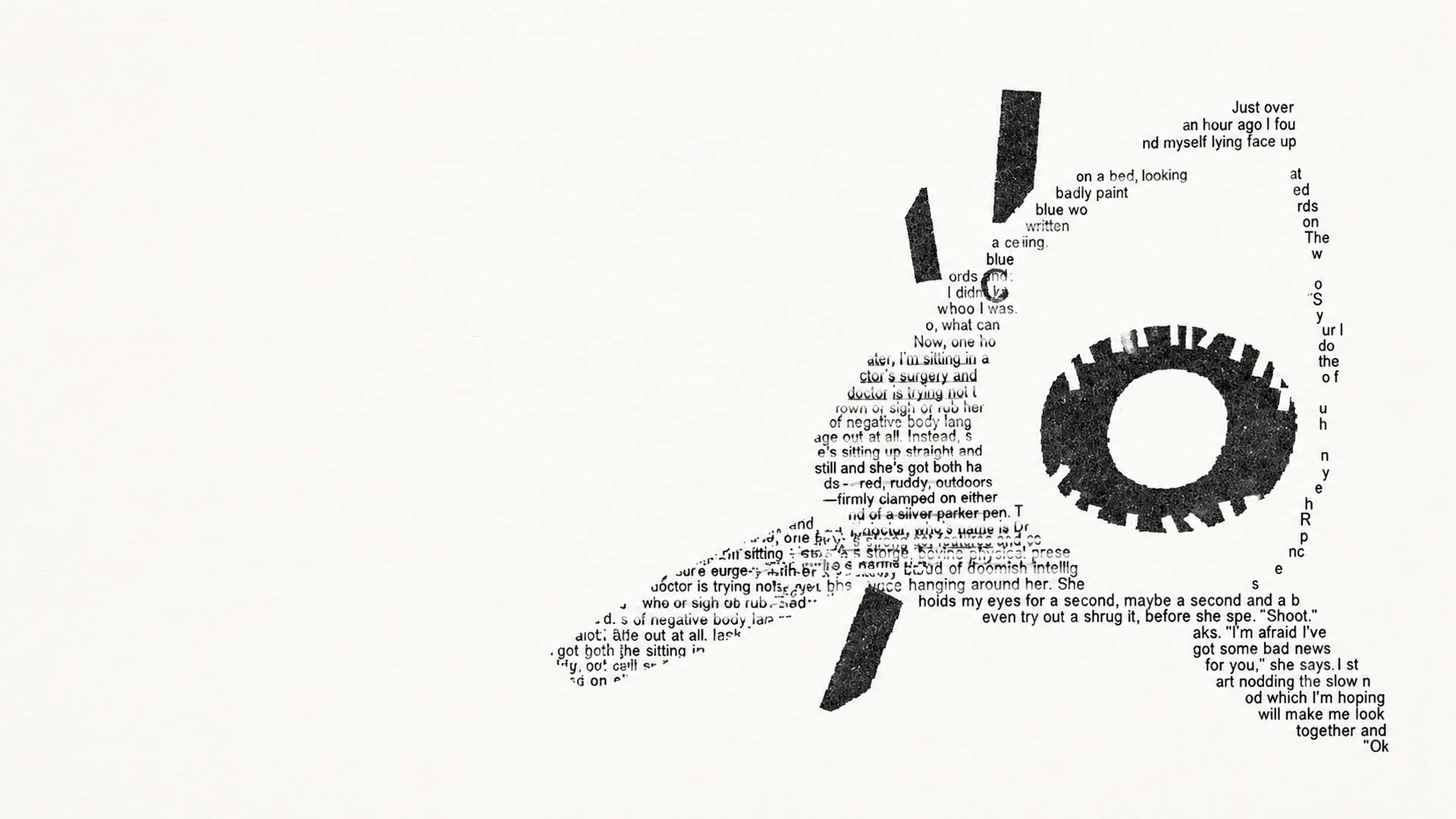
The Raw Shark Texts by Steven Hall (2007) is a blend of surreal, metafictional, ergodic, scifi, and literary thriller that begins with a man named Eric Sanderson waking on a bedroom floor with no memory of who he is. He discovers he's being haunted by a Ludocivian - a conceptual shark that feeds on human memories - and goes on a hunt to rediscover his past life. The novel cleverly explores grief, language, and unsettling ideas about memory and identity through story and text art. I loved it!
This page is an entry point to the rest of my Raw Shark material in one place: the Negatives or “unchapters” that scattered outside the main book, a reconstruction of publisher-run alternate reality game (ARG) trail, the Encyclopaedia of Unusual Fish that makes up Negative 26, and a bunch of smaller clues that reward a little extra searching. (Obsessive, much? Why, yes, thank you for noticing!)
Explore the Raw Shark Archive
My review and exploration of literary Easter eggs is below, but the printed novel is only part of the fun. These three guides cover the main additional trails: the lost and found unchapters, the ARG reconstruction, and the conceptual fish of Negative 26.
The Negatives / Unchapters
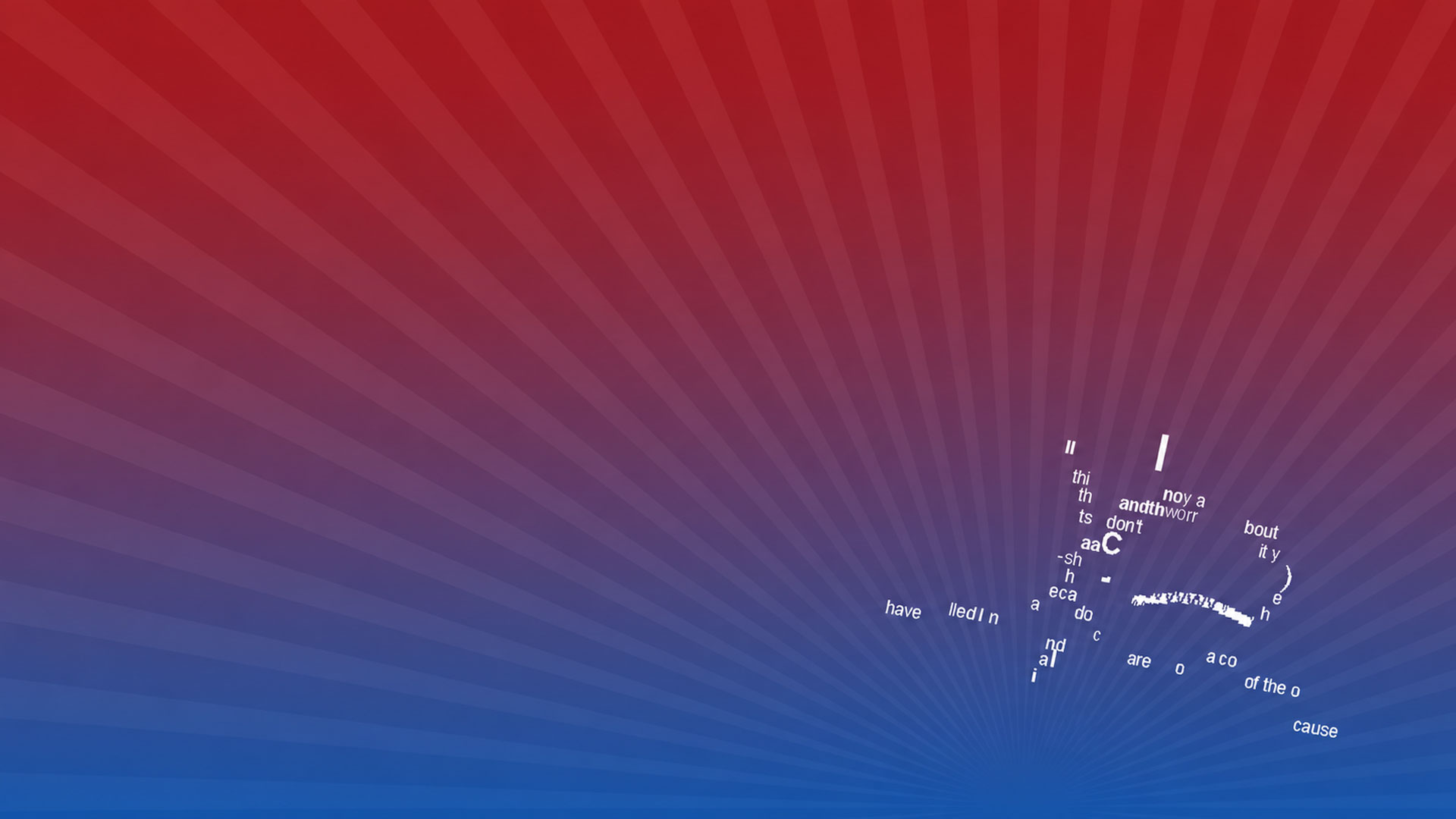
A map of the lost, found and possible Negatives that can be found outside the book, including edition differences and sources.
Explore the Negatives →
Reconstructed ARG
Websites, videos, calls, clues and reader memories from the original publisher-run treasure hunt game.
Play the ARG →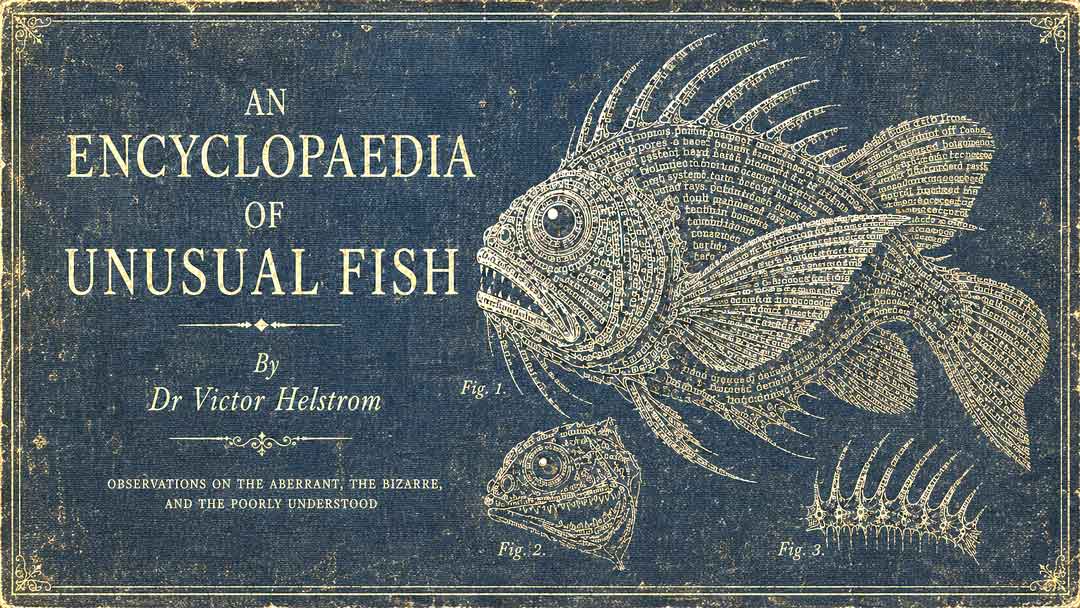
Encyclopaedia of Unusual Fish
An expanded in-world visual and textual guide to the conceptual fish described in Negative 26.
Enter the Encyclopaedia →Review
The Raw Shark Texts is one of those cult novels that is easiest to describe by listing unlikely ingredients: amnesia, grief, conceptual sharks, typographic action scenes, letters from a former self, paper trails, hidden fragments, and a predator that swims through language. The reason it lingers is not just the cleverness though. Under the puzzle-box machinery is a powerful story about loss, memory, identity, and the desire to recover a life that has slipped out of reach.
The book will probably appeal most to readers who like literary thrillers with strange rules, experimental fiction, and stories that treat language as a physical force. If you enjoy books such as House of Leaves, S., or playful postmodern fiction, it is very much worth trying. It is also a good entry point into ergodic literature, because the formal tricks are part of the story: the shape of the text, the gaps in the archive, and the pleasure of hunting for extra material when the book is over.
That said, this is not a quiet realistic novel, and it needs a certain willingness to follow the conceit if you're going to enjoy it. Some readers will be put off by the heightened ideas or the visual play. Others will find that the sense of language being alive, unreliable and occasionally dangerous is exactly what makes the book memorable. (Obviously, I'm with option two!)

Spoilers and secrets ahead. If you haven’t read The Raw Shark Texts yet, consider pausing here. The sections below discuss hidden material, names, epigraphs, chapter titles and song clues that appear throughout the text.
Please note that some of the links on this site are affiliate links for which I may be compensated (this does not affect my reviews nor cost you any money, but helps support my site hosting costs). I deeply appreciate your support if you use these links, but warmly encourage you to buy from your local Indie bookshop if you have the opportunity.
Easter eggs and hidden trails
Easter eggs and hidden trails
Hall’s clues often work by echo rather than explanation: names that are homophones, chapter titles that point to another book, song fragments that comment on the scene, and epigraphs from related texts.
What’s in a name?
As you might expect from a book whose title is a play on “Rorschach Tests”, names in The Raw Shark Texts often carry more than one meaning. Some are jokes, some are mythological cues, and some are small maps of what a character does in the story.
Eric Sanderson
“Sanderson” contains “sand”, suggesting erosion, shorelines and unstable ground - all central images in a novel where identity is continually washed away by conceptual waters.
Clio Aames
In Greek mythology, Clio is the Muse of history. She is also one of the daughters of Mnemosyne, the personification of memory. In the novel, history and memory are exactly what Eric has lost along with her.
Mycroft Ward
The obvious joke here is the homophone with “Microsoft Word”, which fits a villain bound up with ideas that encompass predatory software and the terrifying spread of language-systems. Ward becomes a kind of world-swallowing program: a distributed self, expanding through bodies and technologies, less a person than a system of survival. “Ward” also has useful undertones: to ward is to guard or protect, but a ward can also be an enclosed institutional space or a person under control. And “Mycroft” evokes Mycroft Holmes, Sherlock’s brother: the sedentary, bureaucratic intelligence behind the scenes. Hall’s Mycroft is that idea turned monstrous — administrative omniscience metastasised into a self-preserving machine.
Mr Nobody and Mr No One
These names weaponise grammar. They can hide inside ordinary sentences: “Nobody heard,” “No one saw,” “Nobody was there,” — phrases that are loopholes big enough for Ward’s spies to live in. They also echo Odysseus telling the Cyclops that his name is “Nobody”, so that when Polyphemus cries for help, his words protect the trickster rather than exposing him. We learn a little more about these characters from Steven’s forum posts. For example:
“Mr Nobody and Mr No One have a language-based power. If someone says ‘nobody will know’ or ‘no one saw’ then Nobody will know, No One will see. That’s what makes them great spies for Ward, as old-me said in your quote. They’re doing it throughout The Raw Shark Texts, and it’s always gone pretty much unnoticed (until [user: jstnpotthoff] just figured it out!)” - Reddit AMA
Trey Fidorous
Another homophone, this one relates to Tryphiodorus, an antique poet who supposedly wrote a lipogrammatic version of The Odyssey - meaning it was written with each book leaving out a different letter (no α in book 1, no β in book 2 and so on). Eric’s journey could also be considered an odyssey with holes in it: a voyage through language after the essential letters of the self have been removed.
Orpheus
The name of the boat is another mythological clue. Orpheus is the poet-musician who travels to the underworld to retrieve his lost wife, Eurydice, and fails at the last moment by looking back. Eric’s journey is also driven by the impossible desire to recover a lost woman from death and memory. Naming the boat Orpheus frames the final voyage not only as a shark hunt, but as another doomed attempt to rescue love from the underworld of loss.
Ludovician
The Ludovician belongs with the larger bestiary of conceptual fish. I’ve put more of my thoughts on the naming conventions for the conceptual fish in the Encyclopaedia of Unusual Fish.
Quotes and references
Most of this is just personal interpretation and thoughts I'm sharing in case anyone else is interested in literary and musical tangents. (Luckily Hall has said he's one of those authors who's happy for the book to mean different things to different people!) I'd love to hear your thoughts in the comments too, so please feel free to comment...
Section epigraphs

Tlön, Uqbar, Orbis Tertius - Jorge Luis Borges
“Some limited and waning memory of Herbert Ashe, an engineer of the southern railways, persists in the hotel at Adrogue, amongst the effusive honeysuckles and in the illusory depths of the mirrors.”
Mirroring is an important theme in the book - Eric first meets himself as a reflection, and the novel has many doubles: First Eric and Second Eric, Clio and Scout, reality and un-space.
Tlön by Argentine writer Borges is about an invented world that begins to overwrite the real one — close to Hall’s interest in ideas becoming material enough to hurt you.
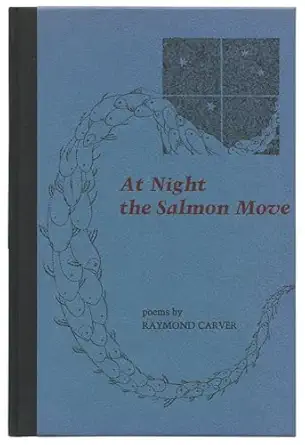
At Night the Salmon Move - Raymond Carver
“At night the salmon move / out from the river and into the town.”
This poem by an American short story writer describes a scene which flips the usual script with sentient fish leaving their usual element to experience human space. The full poem includes elements of memory, impulse and return. Carver's writing is usually quite minimalist, and he is known as the pioneer of "dirty realism," as he often focuses on the everyday struggles of the working poor.

The Wind-Up Bird Chronicle - Haruki Murakami
“What we see before us is just one tiny part of the world. We get into the habit of thinking, this is the world, but that’ s not true at all. The real world is a much darker and deeper place than this, and much of it is occupied by jellyfish and things.”
You can draw a few parallels with Raw Shark and The Wind-Up Bird Chronicle by Japanese author Murakami - it's also a surreal and magical tale about a man's search for his missing wife and cat that explores themes of trauma and alienation as he is forced to trade the familiar for the unknown.
As it appears here, this excerpt prepares the reader for un-space. The visible world is only the surface; the deeper world is darker, stranger and occupied by inexplicable creatures.
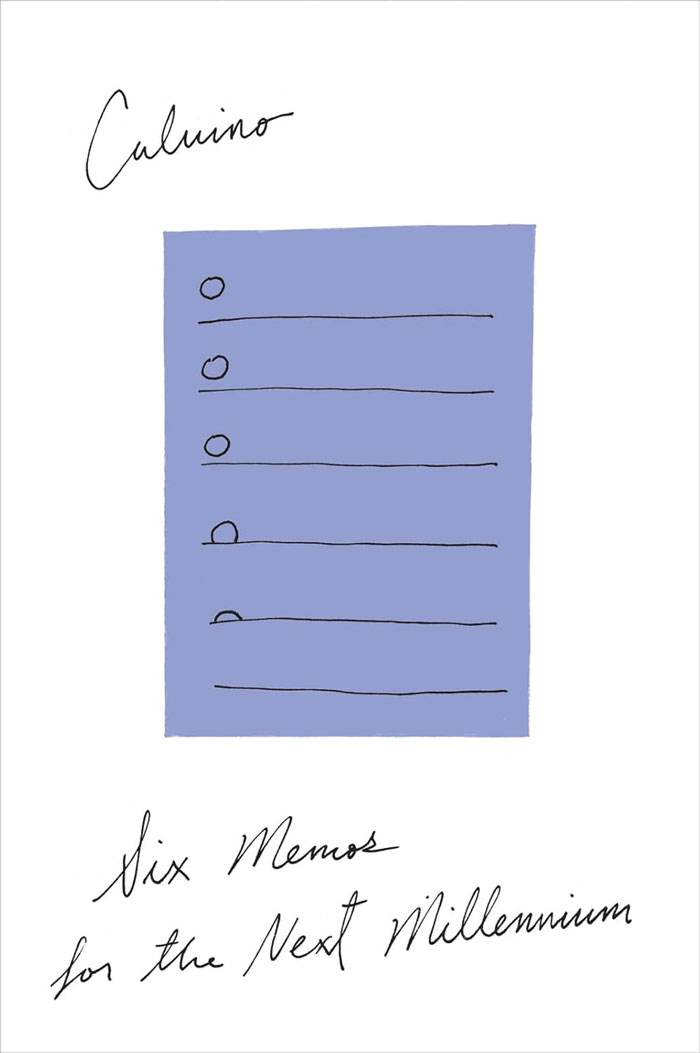
Six Memos for the Next Millennium - Italo Calvino
“The word connects the visible trace with the invisible thing, the absent thing, the thing that is desired or feared, like a frail emergency bridge flung over an abyss.”
Italian author Italo Calvino is another renowned ergodic author, who blends metafictional puzzles with philosophical explorations of language and memory. His Six Memos book is a collection of essays on the values he deems most essential for literature.
The quote appears in The Raw Shark Texts as a compact description of the book’s conceptual universe, where words are used as lures, bridges, and weapons.
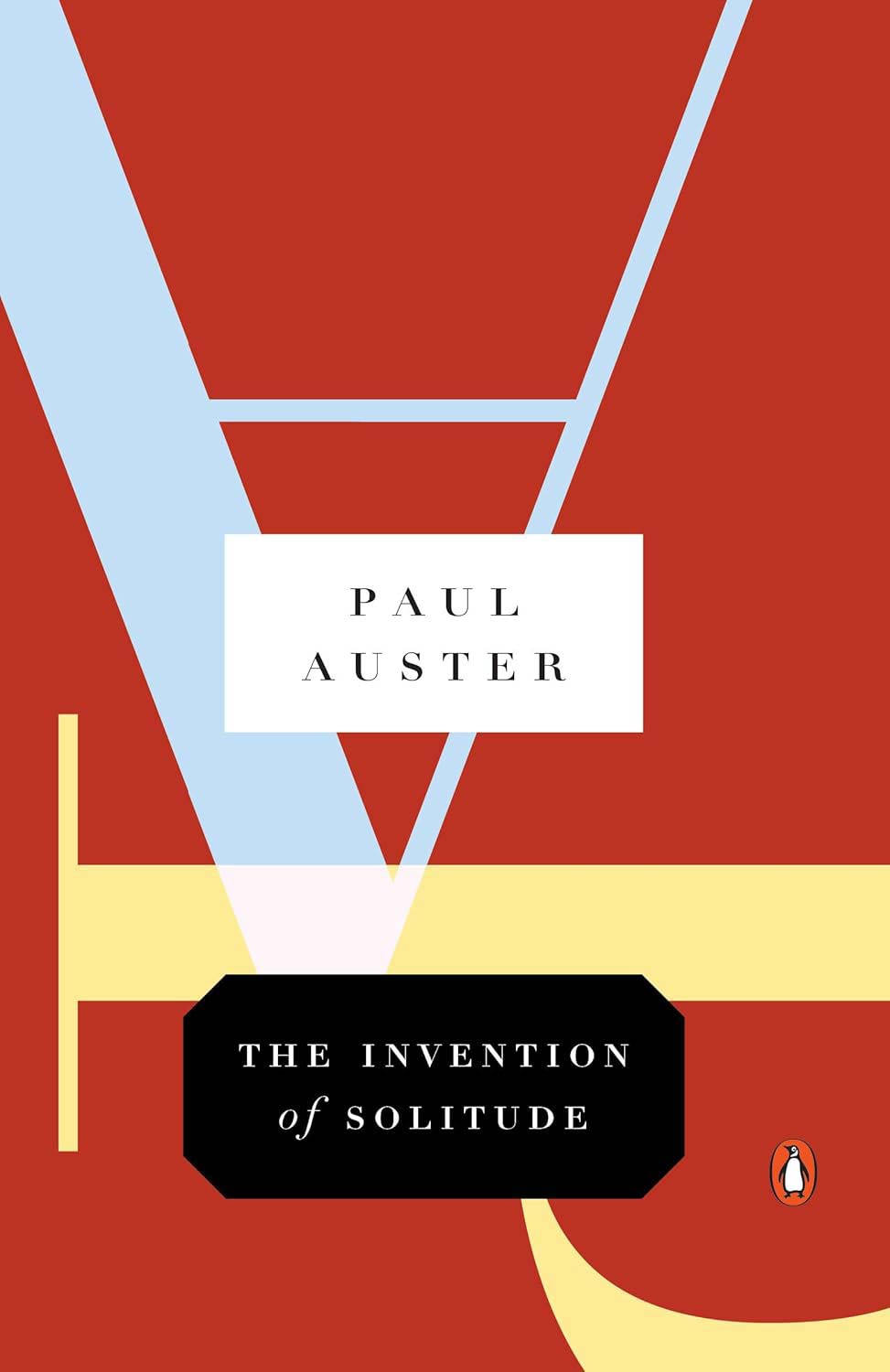
The Invention of Solitude - Paul Auster
“For it is only in the darkness of solitude that the work of memory begins.”
Okay - let's be clear that this quote isn't in The Raw Shark Texts! However, Auster’s book is present inside the novel: it is what the First Eric is reading in Greece. Solitude is a deeply personal meditation on grief, identity and memory.
Chapter-title references
There's some guess-work going on here, but, you know, it's not like I'm getting graded...
Chapter 1 — “A Relic of Something Nine-tenths Collapsed”
This is really evocative, and I'd love ideas on whether it drawns on anything else. I heard someone point out if you just look at the capital letters you get the somewhat suggestive ARSNC.
Chapter 5 — “White Cloud and Blue Mountain”
This phrase refers to a famous Zen teaching on the nature of meditation and mindfulness by exploring two things distinct from one another but connected in relation. It's a useful way to think about First Eric and Second Eric, who are neither identical nor completely separate.
Chapter 6 — “Time and the Hunter”
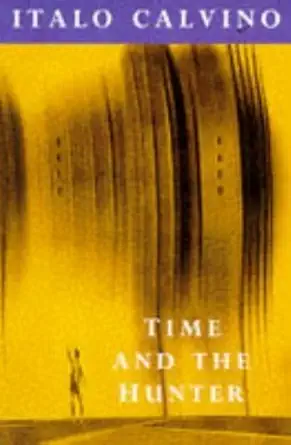
Time and the Hunter — Italo Calvino
This reflects Italo Calvino’s Time and the Hunter, a book concerned with pursuit, suspended time and the structure of events. Eric is both hunter and hunted, following instructions from the past while being pursued by a predator of meaning.
Chapter 20 — “The Arrangement”

The Arrangement — Elia Kazan
This is also the title of Elia Kazan’s novel about a successful man and a breakdown in the life he has arranged around himself. In Raw Shark, we see arrangements of letters, aliases, archives, escape routes and identities.
Chapter 25 — “Hakuun and Kuzan (All the Stars are Bleeding)”
This may points toward Zen names and teachers, including Hakuun Yasutani and Takahashi Kūzan. The parenthetical phrase is from the chapter itself "we only see starlight because all the stars are bleeding".
Chapter 26 — “It’s a Poor Sort of Memory that Only Works Backwards”
This quote comes from the White Queen in Lewis Carroll’s Through the Looking-Glass (I may or may not also have an un/healthy obsession with Alice in Wonderland books). In The Raw Shark Texts, the joke becomes a theory of survival: the First Eric’s letters are a form of memory thrown forward.
Chapter 27 — “Who Are You Really, and What Were You Before?”

Casablanca
Rick: Who are you really, and what were you before? What did you do and what did you think, huh?
Ilsa: We said no questions.
This is a line from Casablanca (such a great movie!). In the context of the movie Rick is asking Ilsa to reveal her true identity and backstory during their romantic days in Paris - part of a broader thematic focus of the film on identity, mystery, and the weight of the past.
Chapter 29 — “Orpheus and the QWERTY Code”
As I mentioned earlier, Orpheus a reference to a Greek myth who descends to the underworld to rescue his lost beloved (spoiler alert, it's a tragedy).
Chapter 36 — “Goodbye Mr Tegmark”
This feels like a mash-up between Jame Hilton's beloved novella about a dedicated teacher, Goodbye, Mr Chips and reference to the Swedish-American phsyicist Max Tegmark, who has written extensively on the connection between reality, language and mathematics. He has famously hypothesised that the universe isn't just described by mathematics, but that it fundamentally is mathematics.
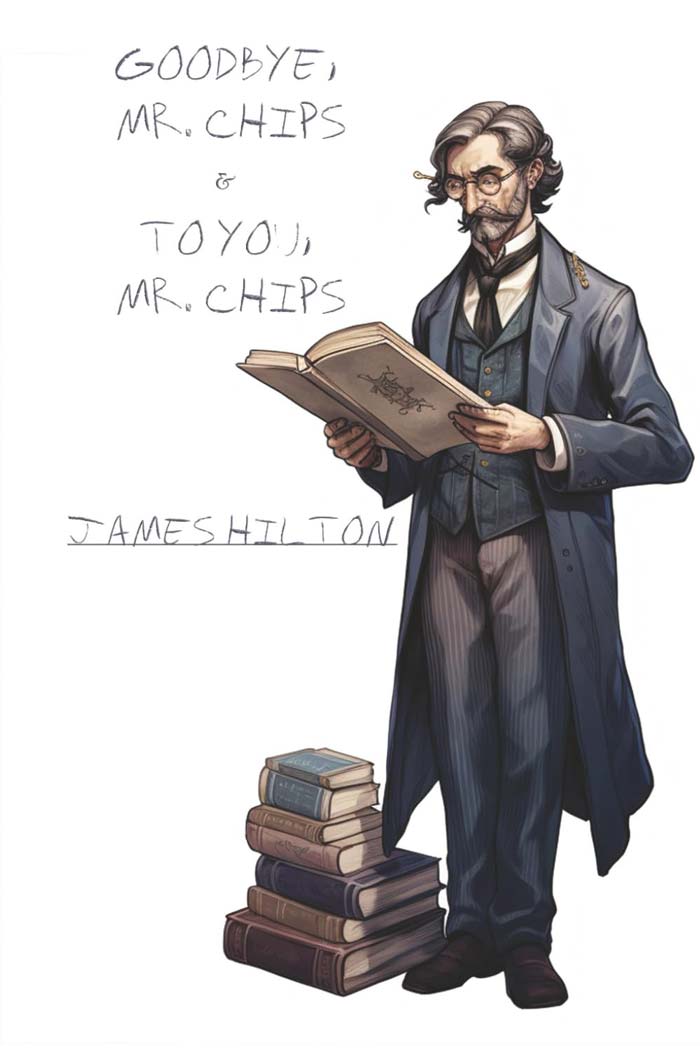
Goodbye, Mr Chips
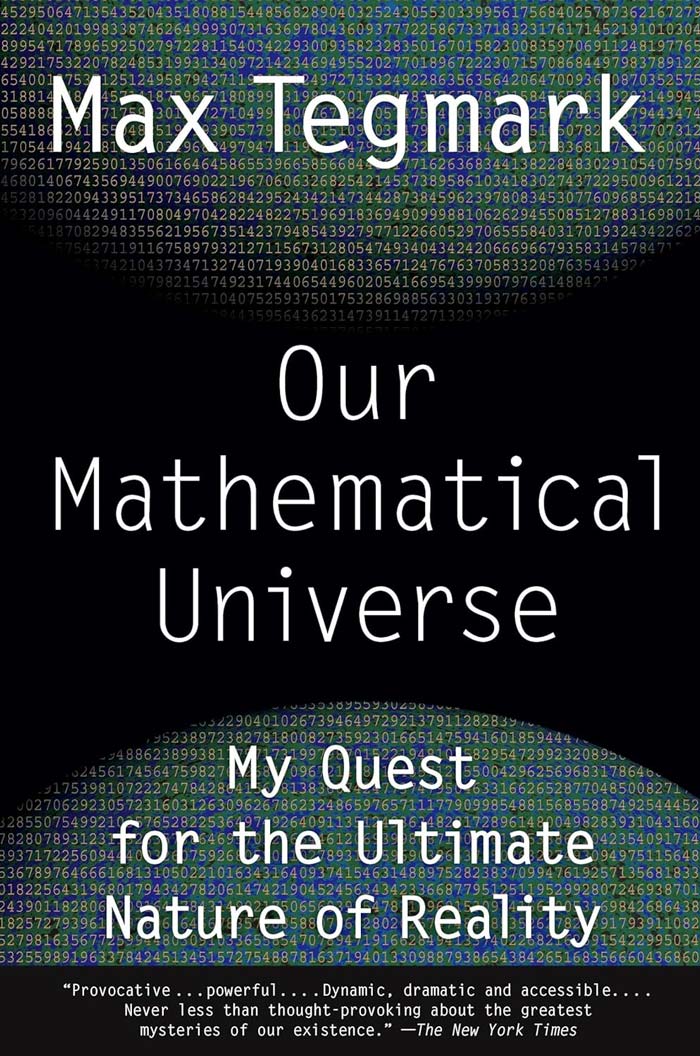
Our Mathematical Universe
Musical numbers
In the 2007 Book Notes essay, Steven Hall mentioned there are “a few musical puzzles” in the novel: places where spotting a song title and searching the lyrics gives the reader a small Raw Shark Easter egg. I'm no musical genius, but these are the strongest candidates I’ve found so far.
Chapter 13 — “All the Angels Come”
Possible song? “A Box for Black Paul” — Nick Cave & The Bad Seeds
I'm not so sure about this one, but Cave’s song is a funeral-dark piece about death and burial, and it includes some harsh words about writing critics.
Chapter 18 — “Yippy Yippy Ya Ya Yey Yey Yey”
Song: “Kinky Afro” — Happy Mondays
Listen on YT Spotify search More about the song
Scout turns on the Jeep radio, finds Happy Mondays, and sings along. The song’s rough, funny, high-energy Madchester feel suits Scout’s arrival as a disruptive, vividly alive presence beside Eric’s uncertainty.
Chapter 23 — Song fragment — “What a Difference a Day Makes”
Song: “What a Diff’rence a Day Makes” — associated with Dinah Washington
Listen on YT Spotify search More about the song
The phrase rises in Eric’s mind while he is noticing how much has changed. The song’s central idea is how one day can alter your emotional weather.
Chapters 30 and 32 — “Farewell and Adieu to You, Fair Spanish Ladies” / “Farewell and Adieu to You, Ladies of Spain”
Song: “Spanish Ladies” — traditional naval song, also appears in Jaws
Listen on YT Jaws excerpt More about the song
This traditional British sea shanty describes a British waship's journey home from Spain to England as they bid farewell to the women they leave behind. The Jaws echo ties in with the final section's homage to shark cinema as well as myth and grief.
Chapter 35 — “Just Like Heaven”
Song: “Just Like Heaven” — The Cure
Listen on YT Spotify search More about the song
In the song, the dreamlike beloved is lost in a raging sea after a magical kiss; in the novel, Chapter 35 comes after violence, water, wreckage and the fear of losing someone again.
Have you spotted another Raw Shark clue?
I’m treating this as an open archive. If you have a lead on a song, chapter title, Negative, ARG fragment, unusual edition or conceptual fish, I’d love to hear from you - please comment or drop me a line.