Breaking the Frame: Narrative Metalepsis
Books that Break the Frame
A Reader's Guide to Narrative Metalepsis
Some books do more than tell a story: they let narrators lean out, readers fall in, fictional characters rebel, and whole worlds escape the page.
This guide explores the fascinatingly-named literary trick of narrative metalepsis – frame-breaking fiction where one level of a story crosses into another. Below you’ll find some of my favourite examples, how their magic works, and which illustrated, unusual or beautifully bound editions are most worth seeking out.
You may have arrived here from a video, a search result, or another article. Either way, you have already crossed one frame. Let’s see how many more doors this page can open…
p.s. There’s some sort of SEO advice built into my site host, which I usually check kind of casually in case it has something useful to say. Trust me when I tell you the title and subject A Reader’s Guide to Narrative Metalepsis sent it into grand mal conniptions, hahaha. So, congrats if you came here and are also interested in this sort of thing. Apparently there are not too many of us around. Wordy weirdos represent, I guess. 😘
Introduction
Metalepsis, metafiction and ergodic literature: what is the difference?
You might know the most familiar version of narrative metalepsis as “breaking the fourth wall”: the moment a character seems to notice the reader. But metalepsis can be broader, stranger, and even more magical than a wink from the page.
Metafiction is the umbrella term for fiction that draws attention to its own fictionality – a book that says, “Look, this is a story.”
Narrative metalepsis is a more specific type of frame-breaking. It opens a door between story-levels, allowing the author to step in, the reader to be pulled through, a fictional character to escape, or a book-within-a-book to start feeling real.
You may also have arrived here from my guide to ergodic literature: books that require unusual effort to navigate or read. Ergodic books often overlap with metafiction, and they can include metalepsis, but they don’t have to. A book can make you work without breaking the frame; and a metaleptic book breaks the frame whether or not the reading path is difficult.
Keep reading below to explore the main types of metalepsis – and my favorite books in each category.
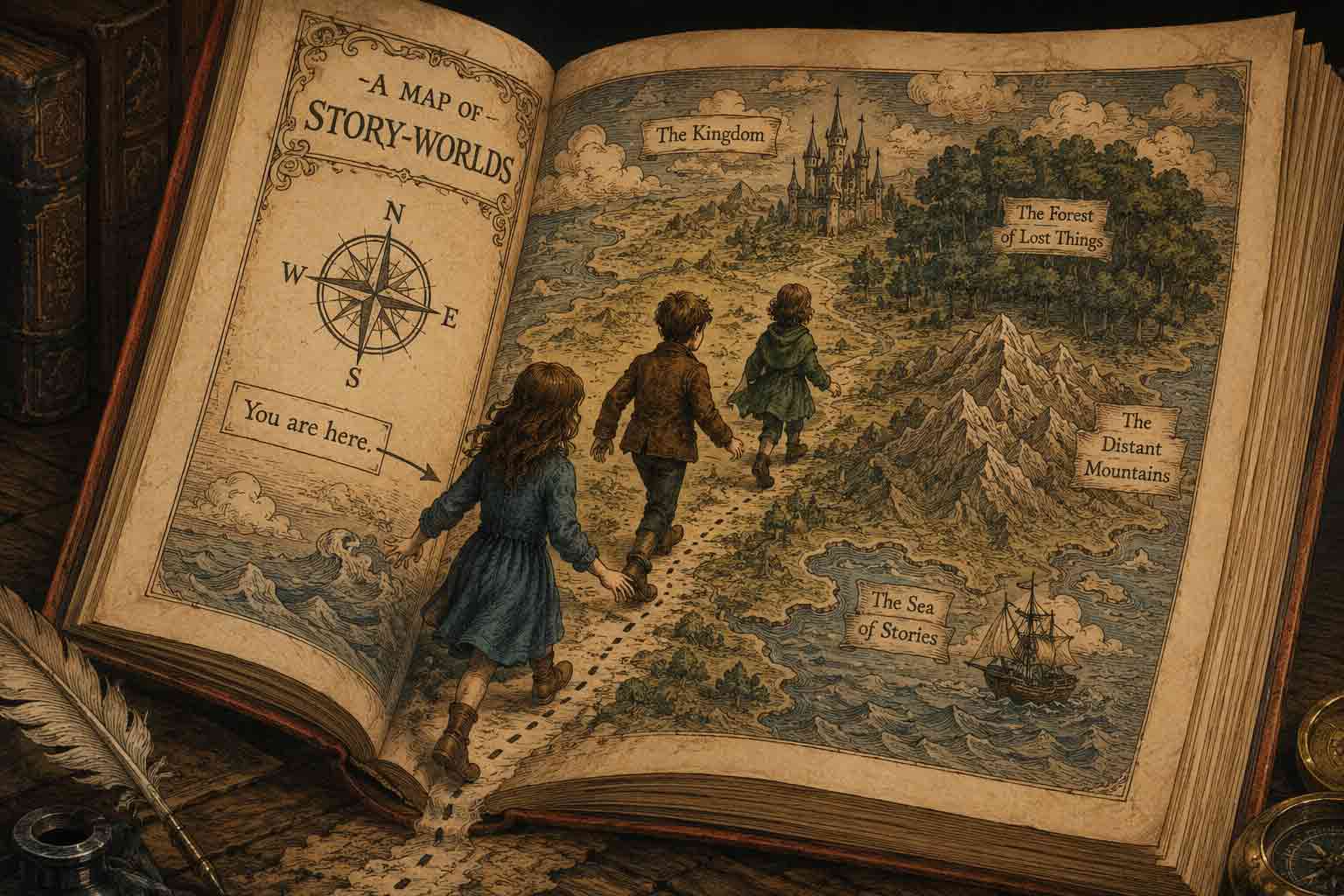
📍 You Are Here
Before we begin, locate yourself in the structure: you are outside the books, inside the article, possibly one click away from a video, and about to read about readers who were maybe not so lucky.
Good. Now we can open the first door.
Quick Start
Best metaleptic books at a glance
Don’t want to read my whole long-ass article? (I’ve been known to… wax poetic on books I love.) Here’s a quick guide to 10 classic books you can use to jump straight in.
| Book | What breaks? | Why it's cool |
|---|---|---|
| The Neverending Story | Reader enters the story | A lonely child reader is gradually drawn into the fantasy world he is reading about. A magical first pick. |
| The Princess Bride | The fake editor takes over | A fictional “abridger” interrupts an imaginary classic with personal notes, complaints and publishing jokes. (You can watch the excellent movie too, but you'll be missing out.) |
| A Series of Unfortunate Events | The narrator is suspect | Snicket warns, digresses, defines words and hides clues. Hilarity ensues. |
| The French Lieutenant’s Woman | The author interrupts history | A modern narrator intrudes into a Victorian-style novel, exposing the machinery of authorial control. |
| House of Leaves | Stories layer inside stories | An ergodic cult classic with a fake documentary, academic commentary, and typography all part of a haunted house labyrinth. |
| S. Ship of Theseus | Book becomes evidence | Marginalia, inserts, ciphers, and a faux library-book design. |
| Inkheart | Fiction escapes the book | Characters and objects can be read out of books, turning storytelling into dangerous magic. |
| Between the Lines | Love interest wants out | A fairytale prince knows he is trapped in a book and wants the reader’s help escaping into her world. |
| Thursday Next Series | Escape into a classic novel | Literary detective Thursday Next can enter classic novels. |
Categories
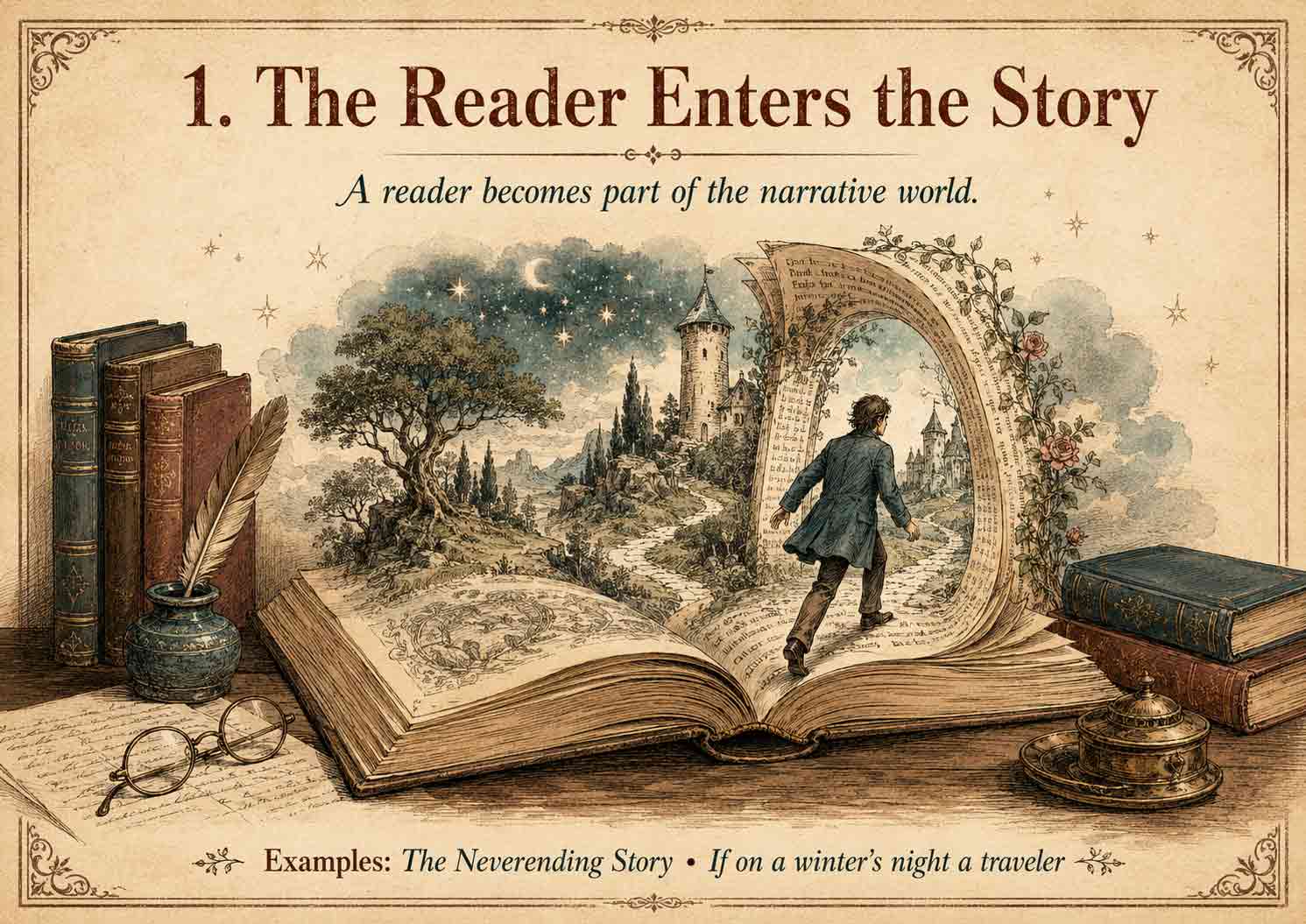
The Reader Enters the Story
Technique: A reader becomes part of the narrative world. For those who want to deeply enter the world of the book.
This is one of the most enchanting forms of metalepsis: someone begins safely outside the story, reading as we read, and then the book starts to pull them in. The Neverending Story is a classic example (and beautiful book, movie and song!).
I think this works so well because reading already feels a little like we are crossing an imaginary border into a new world. These books make that metaphor literal.
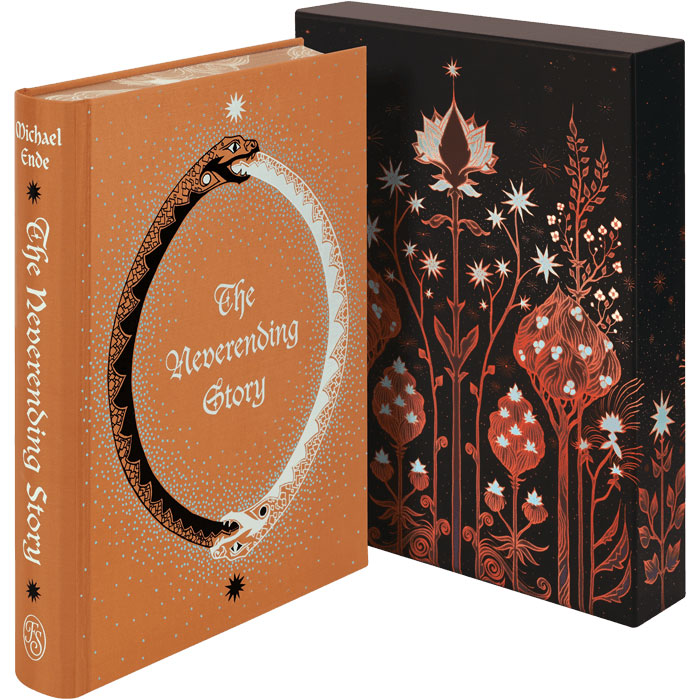
The Neverending Story — Michael Ende
Bastian Balthazar Bux steals a mysterious book and begins reading about Fantastica, a world dying because humans have stopped dreaming.
Bastian starts as a reader safely outside the fantasy and is gradually called into the story he is holding. It’s a magical children’s book that is also beautiful for adults.
Collector’s tips. The most collectible versions preserve the two-colour text from the first edition that distinguishes Bastian’s world from Fantastica. The first edition is long out of print, but you can still get a new copy of the gorgeous Folio Society edition, illustrated by Marie-Alice Harel, with elaborate production details. If these are out of your price range, the Puffin clothbound is also lovely and very affordable.
Folio Society (2022). Illustrated by Marie-Alice Harel. Beautiful contemporary version with coloured text.
➤ Find it at Folio Society | Abes | eBay
Cheaper entry point. Puffin, 2014. ISBN 9780141354972.
➤ Find it at Amazon | Waterstones | Blackwells | Abes | eBay
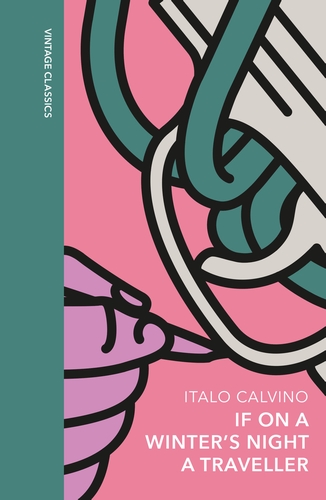
If on a winter’s night a traveler - Italo Calvino
Calvino casts “you” as the Reader trying to read Calvino’s new novel, only to be derailed by misprints, substitutions, false starts, and seductive fragments of other stories. Its metalepsis comes from folding the real reader into a fictional reader-character: the book is not merely addressed to you, it gives you a role inside its machinery.
Collector’s tips. First editions are the most valuable copies. But the Penguin Clothbound and Vintage Classics paperback are both nice accessible reading copies.
Vintage Classics, 2002. ISBN 9780099430896.
➤ Find it at Amazon | Waterstones | Blackwells | Abes | eBay
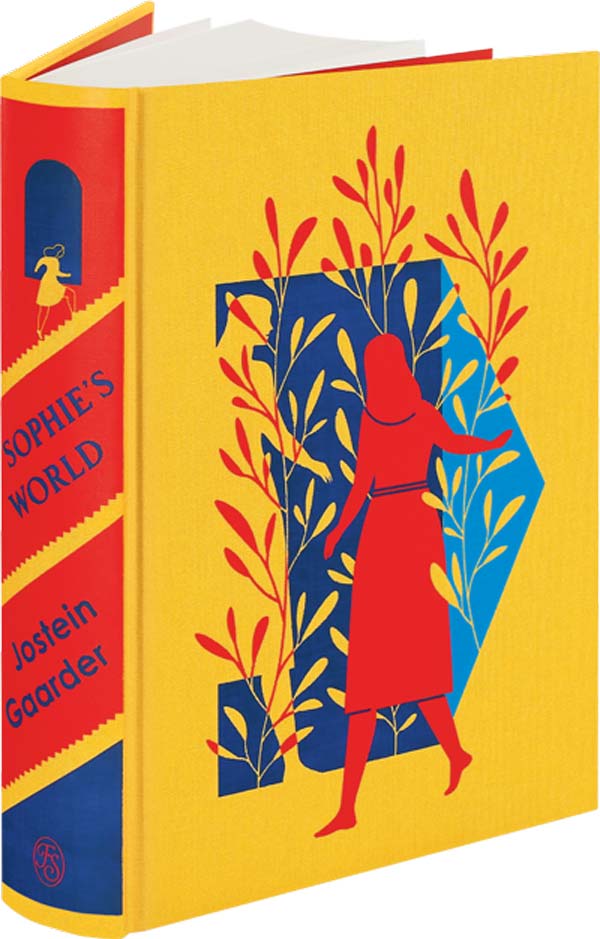
Sophie’s World — Jostein Gaarder
After Sophie begins receiving mysterious philosophy lessons and postcards addressed to another girl, her questions about reality become increasingly literal. Sophie’s own world starts to look constructed, observed, and possibly authored from outside. This one is actually a fantastic introduction to basic philosophy because the material is wrapped in a page-turning mystery.
Folio Society (2019). Illustrated by Sandra Rilova, translated by Paulette Møller.
➤ Find it at Folio Society | Abes | eBay
Weidenfeld & Nicolson, 2015. ISBN 9781474602280.
➤ Find it at Amazon | Waterstones | Blackwells | Abes | eBay
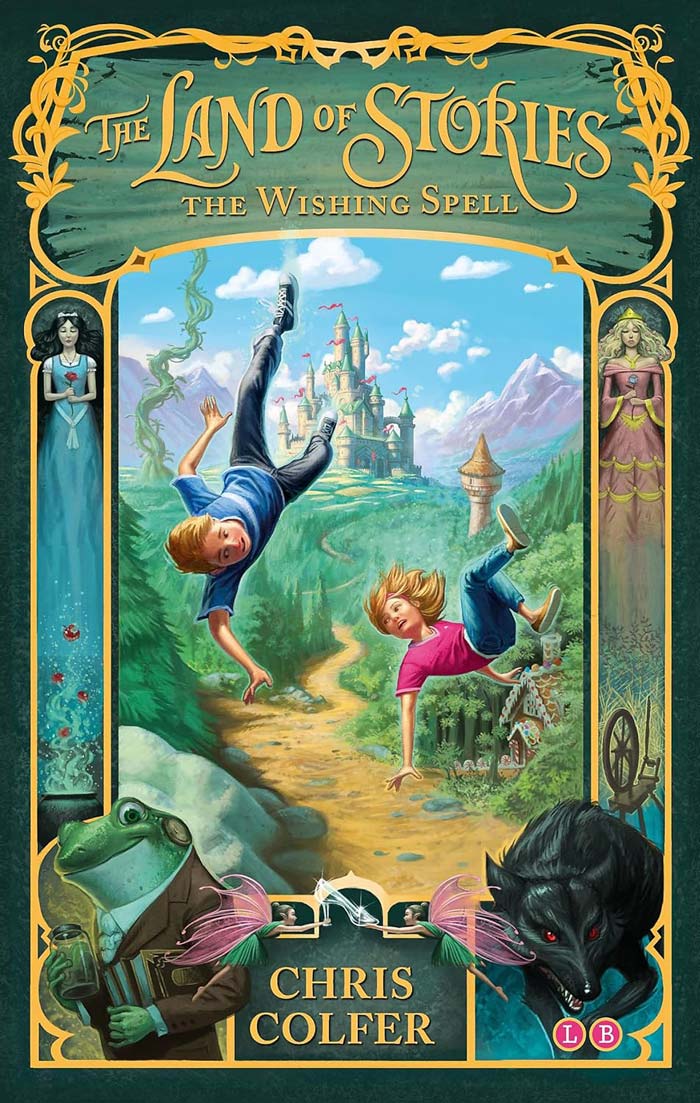
The Land of Stories series — Chris Colfer
In the first book in the series, The Wishing Spell, twins Alex and Conner fall through their grandmother’s fairy-tale book into a world where they become characters inside the tales they thought they knew. It is light, funny, and highly readable for middle-grade readers, especially those who like fairy-tale retellings. (And yes, the author is the same actor known for playing Kurt Hummel in the musical TV series Glee.)
Little, Brown Books for Young Readers, 2013. ISBN 9781907411755.
➤ Find it at Amazon | Waterstones | Blackwells | Abes | eBay
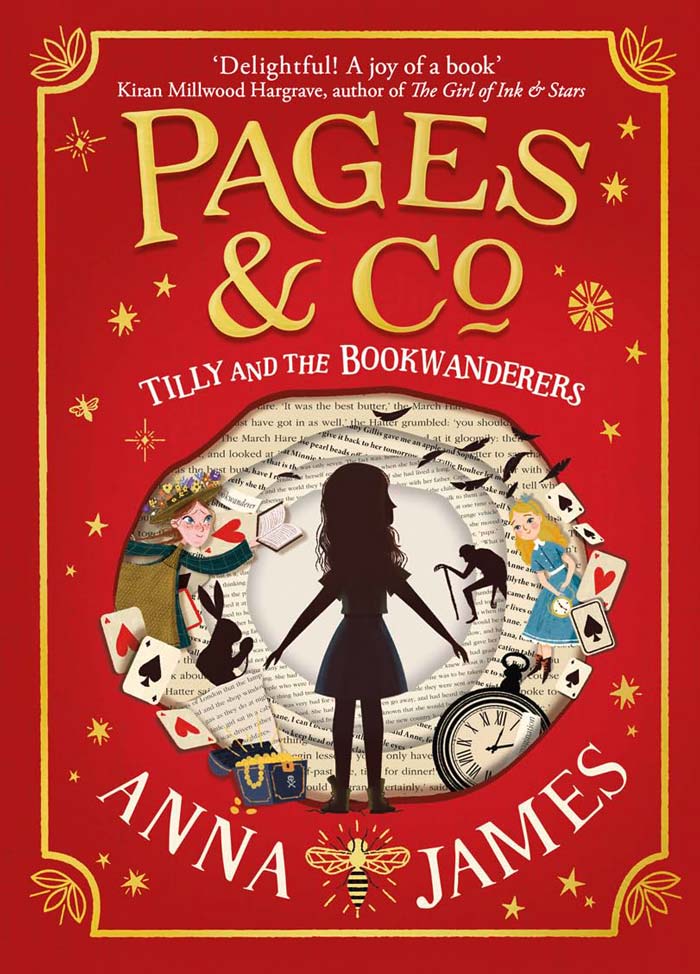
Pages & Co. / Tilly and the Bookwanderers — Anna James
Tilly Pages lives above her grandparents’ bookshop and discovers that she can wander into books and meet characters such Alice from Wonderland and Anne from Green Gables. There are six books in the series, and Bookwanderers is the first. Charming, gentle, and ideal for younger readers who already suspect bookshops are magical.
Collector’s tips. The books are illustrated by Paola Escobar. Hardback editions are more expensive but first printings have fun hidden covers under the dust jacket.
Hardcovers. HarperCollins, 2018. ISBN 9780008229863 (UK) | HarperCollins, 2019. ISBN 9781984837127 (US)
➤ Find US ed at Amazon | B&N | Blackwells | Abes | eBay
➤ Find UK ed at Amazon | Waterstones | Blackwells | Abes | eBay
Paperbacks. Penguin (2020). 9781984837141 (US) | HarperCollins (2019). 9780008229870 (UK).
➤ Find US ed at Amazon | B&N | Blackwells | Abes | eBay
➤ Find UK ed at Amazon | Waterstones | Blackwells | Abes | eBay
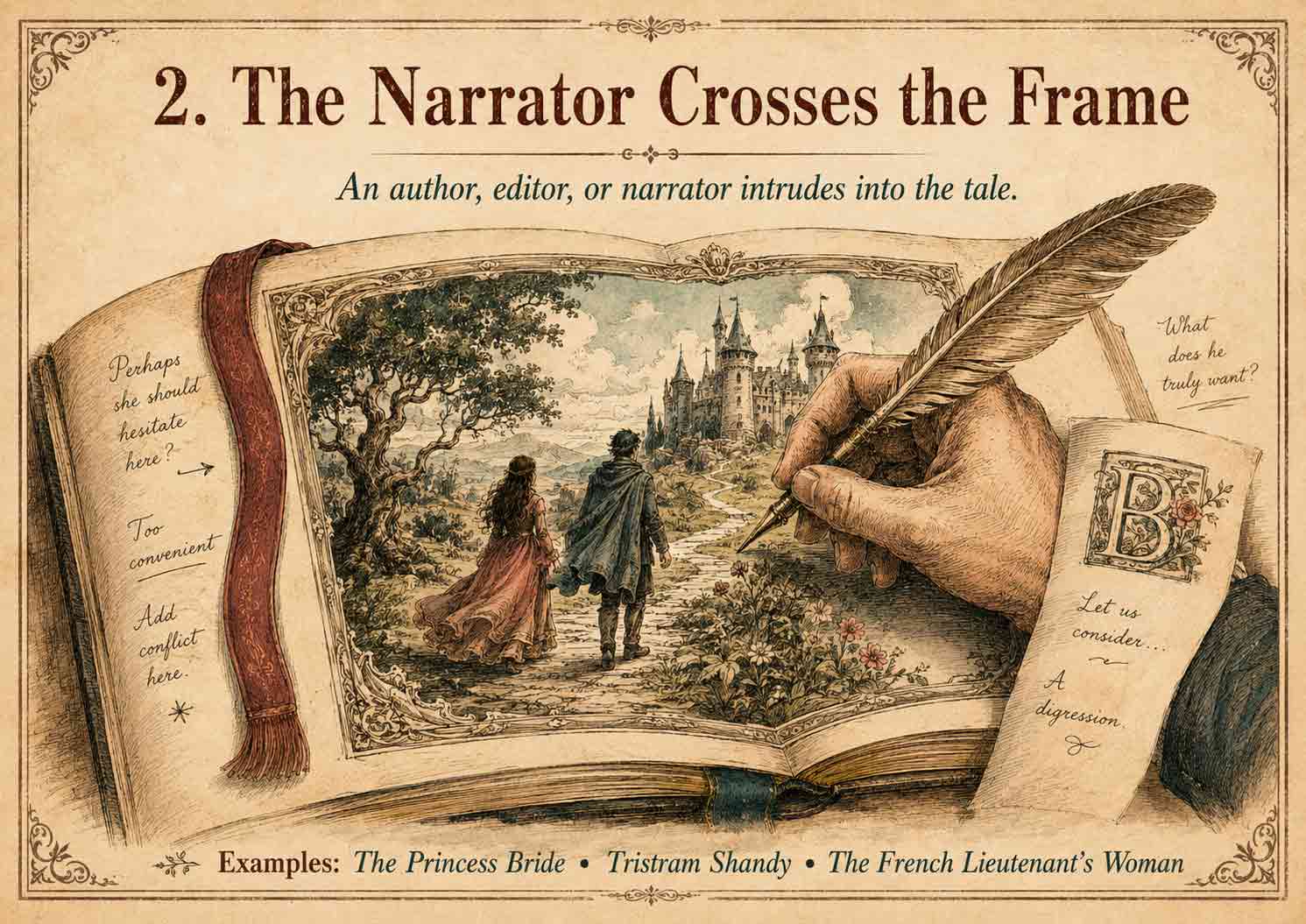
The Narrator Crosses the Frame
Technique: An author, editor or narrator intrudes into the tale. For readers who want the storyteller to let them into a secret.
These are books where the storyteller refuses to stay behind the curtain. They interrupt, annotate, correct, complain, explain, confess, editorialise, or even appear inside the fictional world.
This is often comic, but it can also be philosophical. A visible narrator reminds us that every story is made – the contents are selected, shaped and controlled by somebody.
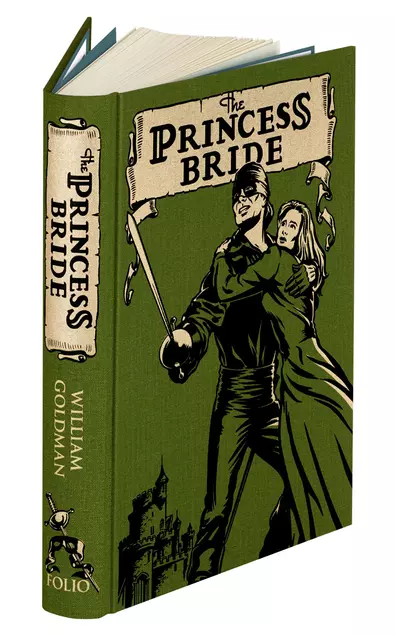
The Princess Bride - William Goldman
Goldman pretends to be abridging S. Morgenstern’s much longer classic, constantly interrupting the adventure with editorial notes, family memories, publishing complaints, and comic asides. The set-up of a fake editor invading the fairy-tale makes the invented source text feel completely real. It is also one of the funniest and most readable metafictional novels around – a personal favourite.
Collector’s tips. There are so many cool editions of this book I wrote a whole collector’s guide about them! I’ve included two beautiful illustrated gift editions below.
Deluxe Gift Edition, Harper (2017). Illustrations by Michael Manomivibul. ISBN 9781328948854.
➤ Find it at Amazon | B&N | Blackwells | Abes | eBay
Folio Society (2014). Decorative cloth with illustrations by Mark Thomas.
➤ Find it at Folio Society | Abes | eBay
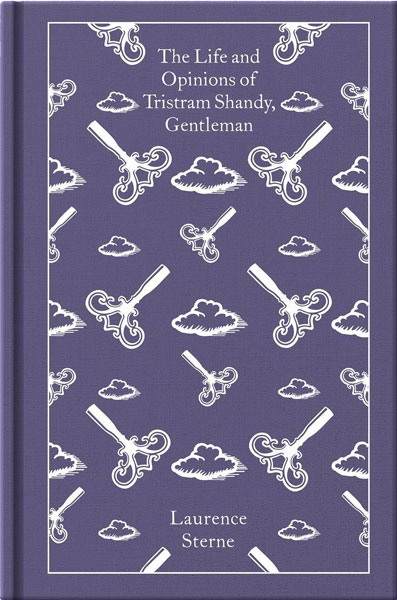
The Life and Opinions of Tristram Shandy, Gentleman - Laurence Sterne
Despite being published in the mid 18th century, Tristram Shandy still feels surprisingly modern. Its narrator delays, digresses, talks to the reader, plays with the page, and turns the physical book into part of the joke. It’s a great reminder that literary experimentation has been around for quite a while.
Collector’s tips. Folio Society editions and the Limited Editions Club set are wonderful collector copies. The Penguin Clothbound Classics edition is attractive and accessible.
Penguin Clothbound Classics (Penguin, 2024), hardcover, 784 pp, ISBN 9780241552667.
➤ Find it at Amazon | B&N | Waterstones | Blackwells | Abes | eBay
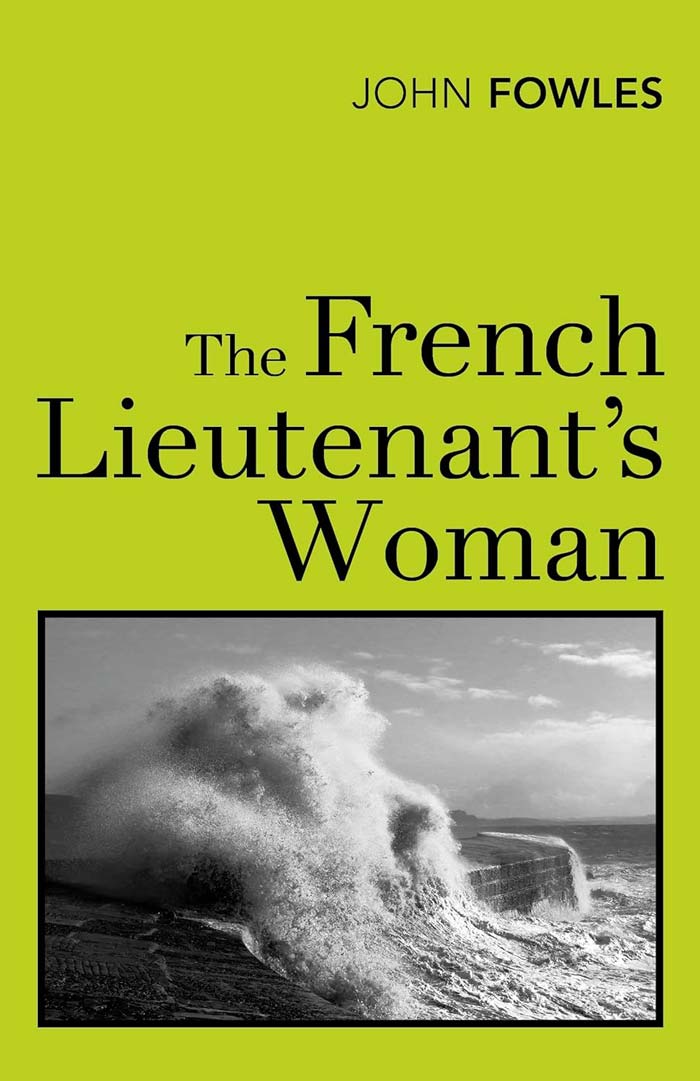
The French Lieutenant’s Woman - John Fowles
Fowles begins with the texture of a Victorian novel, then lets a modern narrator intrude, question, interpret, and finally expose the illusion of authorial control. The metalepsis is philosophical rather than gimmicky and it remains a highly readable literary novel.
Vintage Classics, 2005. ISBN 9780099478331.
➤ Find it at Amazon | Waterstones | Blackwells | Abes | eBay
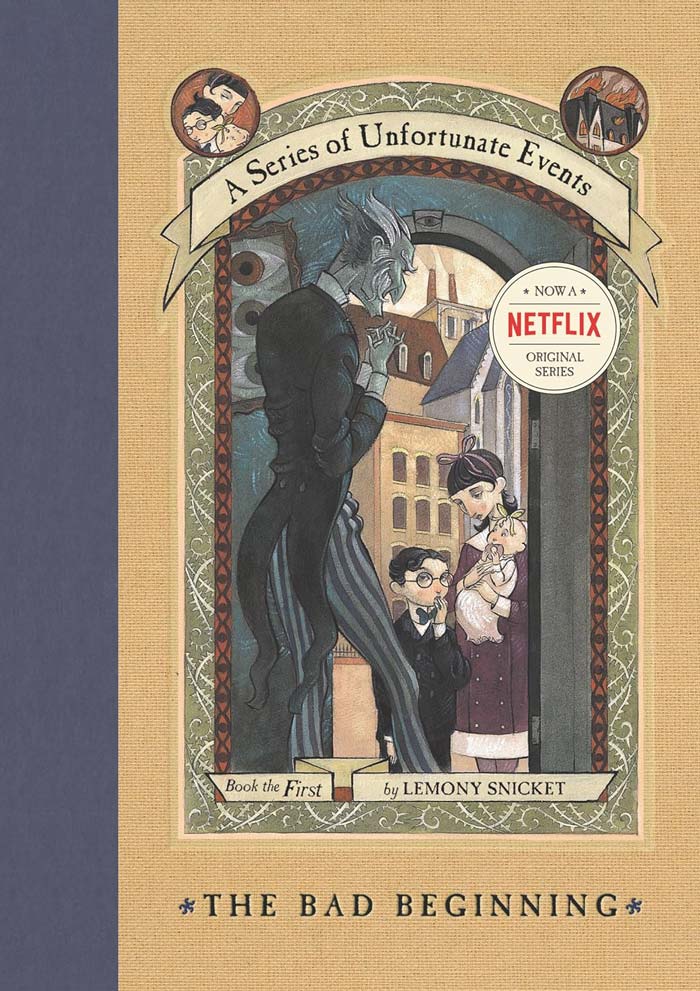
A Series of Unfortunate Events - Lemony Snicket
Lemony Snicket’s first Baudelaire book, The Bad Beginning, introduces Snicket’s melancholy, evasive, intrusive narrator in a voice that warns the reader away, defines words, drops clues, and makes his own secret history part of the series. The story itself is brisk children’s gothic comedy, and a great young reader doorway into metafictoin.
PB edition. HarperCollins, 1999. ISBN 9780064407663.
➤ Find it at Amazon | Waterstones | Blackwells | Abes | eBay
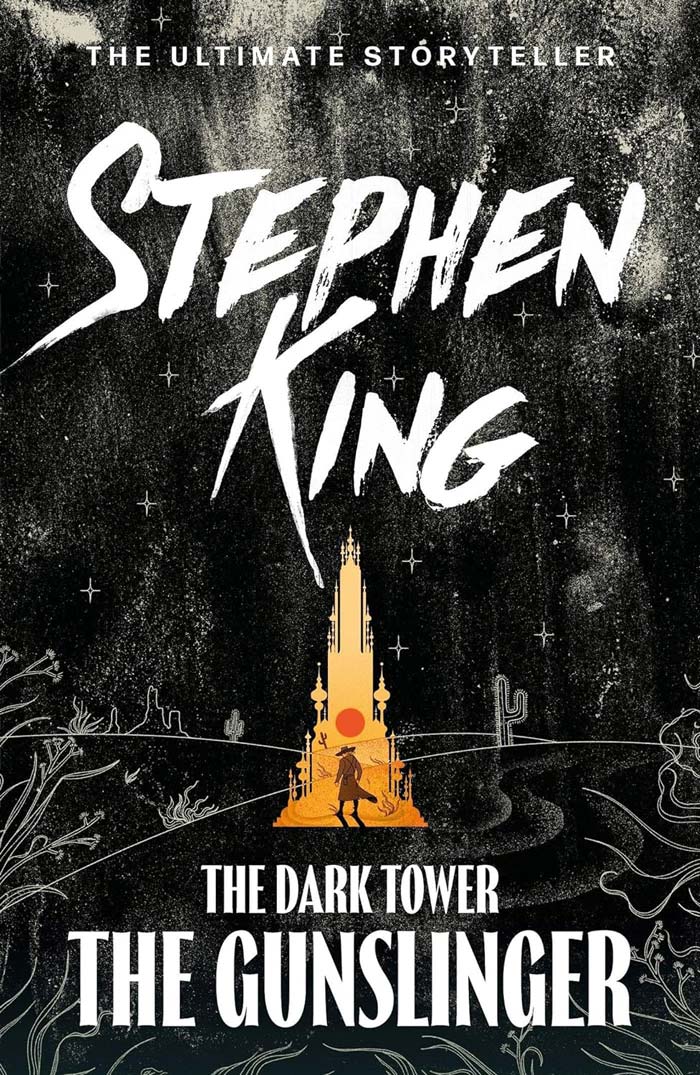
The Dark Tower series — Stephen King
The first Dark Tower book, The Gunslinger, follows Roland Deschain across a bleak fantasy-Western landscape in pursuit of the Man in Black. The full series becomes powerfully metaleptic later, when Stephen King’s own authorship enters the fictional universe
Collector’s tips. Collectors may be interested in the first Grant editions, or the revised editions as a set.
Hodder & Stoughton, 2012. ISBN 9781444723441.
➤ Find it at Amazon | Waterstones | Blackwells | Abes | eBay
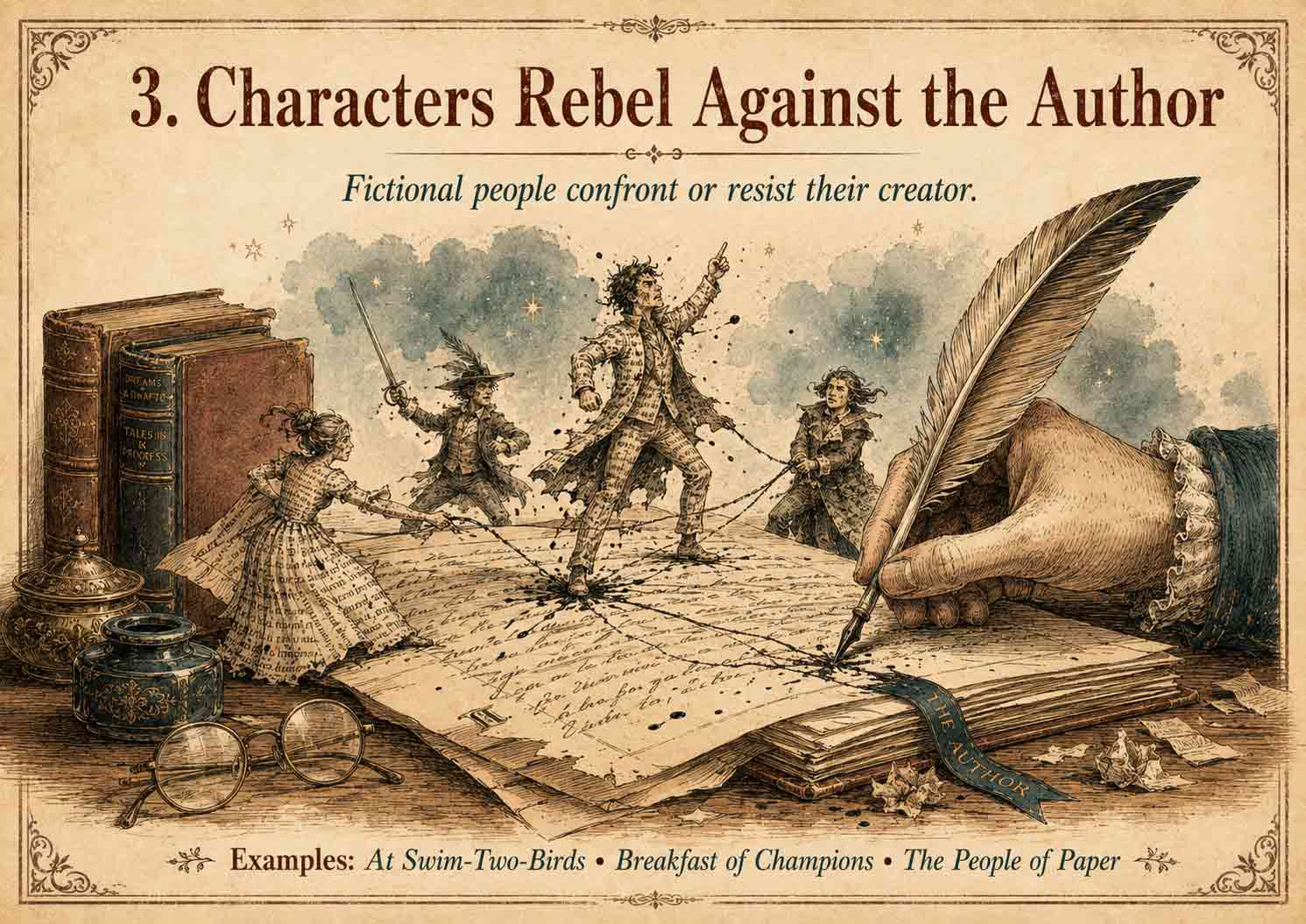
Characters rebel against the author
Technique: Fictional people confront or resist their creator. Enjoy the power struggle.
This is one of the most mischievous forms of metalepsis. The characters stop behaving like obedient inventions. They notice the author’s control, resent it, and sometimes try to fight back.
These books turn authorship into a power struggle. Who owns a story: the person writing it, or the people forced to live inside it?
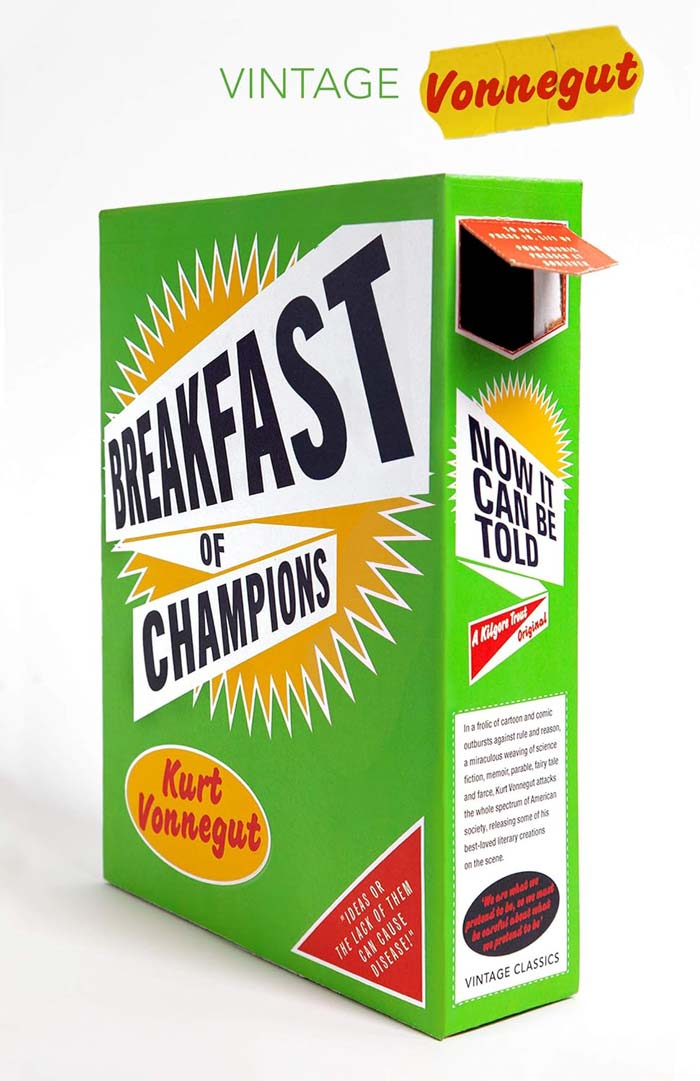
Breakfast of Champions - Kurt Vonnegut
Vonnegut’s novel brings together the unstable science-fiction writer Kilgore Trout and the unravelling car dealer Dwayne Hoover, while the authorial voice doodles, explains, judges, and eventually walks into the book’s world. It’s sharp, bleak and funny.
Collector’s tips. First editions and signed copies are collectible. The Vintage Classics paperback is a sturdy reading edition; Library of America Vonnegut volumes are worth looking into for completionists.
Vintage Classics, 1992. ISBN 9780099842606.
➤ Find it at Amazon | Waterstones | Blackwells | Abes | eBay
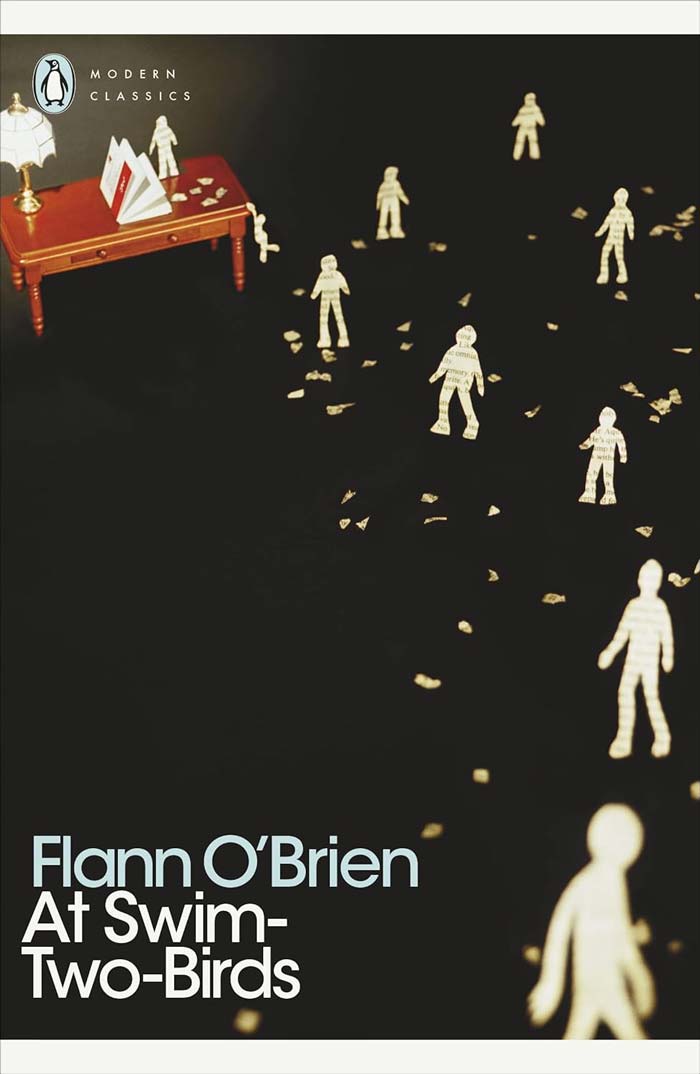
At Swim-Two-Birds - Flann O’Brien
A student writer invents a novelist, who invents characters, who begin to resist their author and conspire against him. The book’s characters, authors, and borrowed literary worlds refuse to stay in their assigned narrative levels. It can be chaotic, but it is also genuinely funny.
Penguin Classics, 2000. ISBN 9780141182681.
➤ Find it at Amazon | Waterstones | Blackwells | Abes | eBay
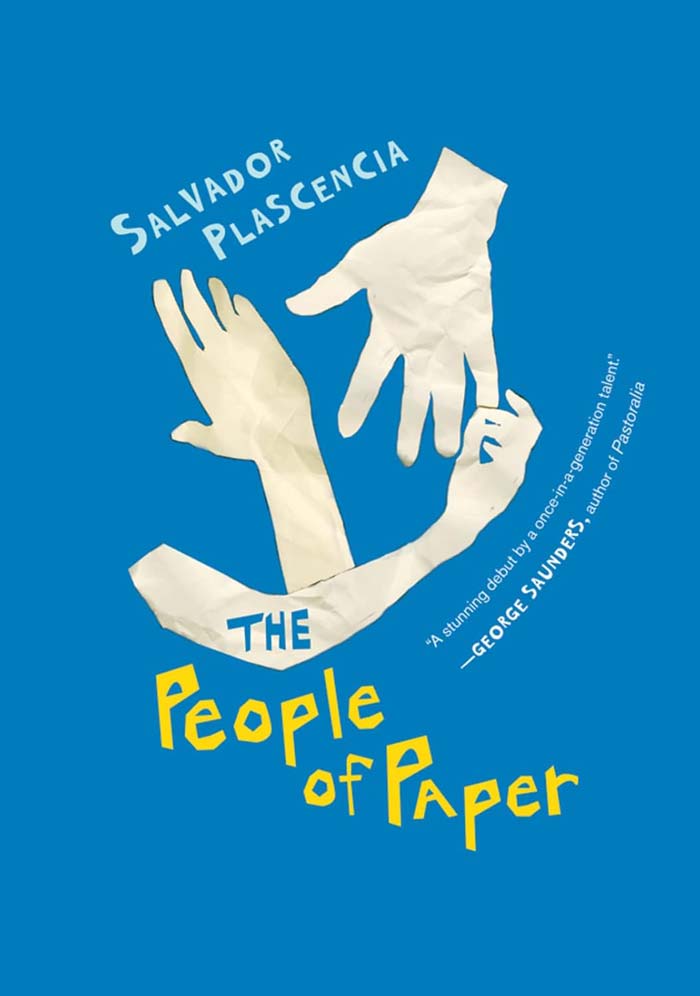
The People of Paper - Salvador Plascencia
Plascencia’s experimental novel follows a cast including a woman made of paper, a gang of carnation pickers, and characters who begin to detect and resist the authorial gaze. Columns, gaps, blacked-out sections, and shifting layouts turn the page into a battleground for narrative control.
Collector’s tips.The original McSweeney’s edition is the best collector copy because it has the best design (which is central to the experience). Later Harper editions are easier to find for reading.
HarperVia, 2006. ISBN 9780156032117.
➤ Find it at Amazon | Waterstones | Blackwells | Abes | eBay
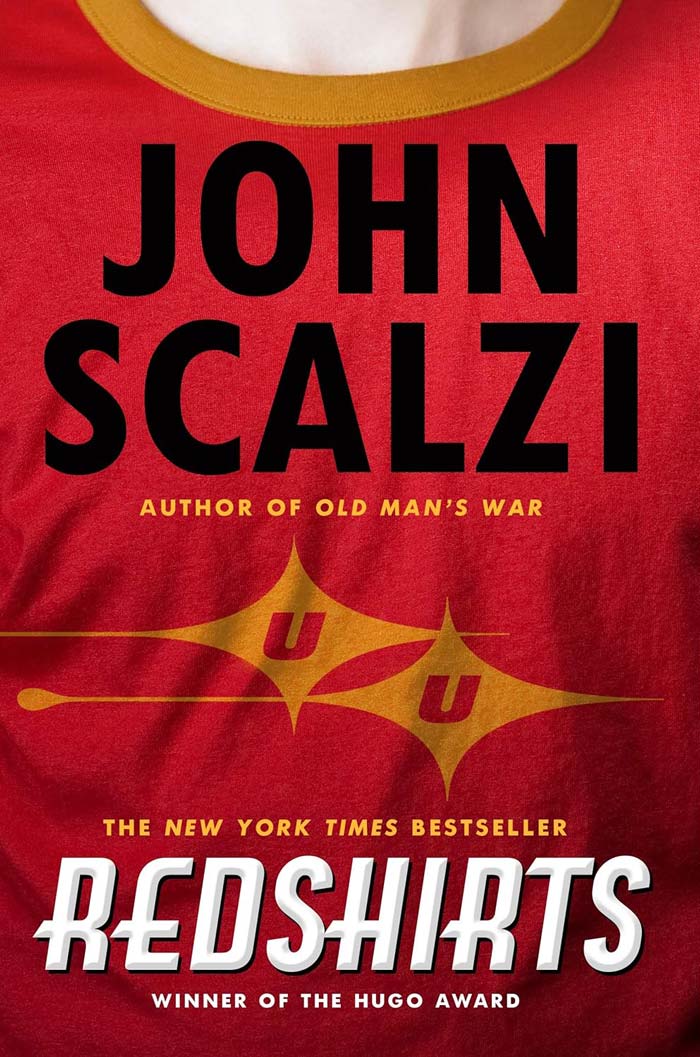
Redshirts — John Scalzi
Low-ranking crew members aboard a starship realise that their lives are governed by the lethal narrative logic of a cheesy science-fiction TV show. (Particularly fun for readers who know the “redshirt” trope from Star Trek!).
PB: Tor Books, 2013. ISBN 9780765334794.
➤ Find it at Amazon | Waterstones | Blackwells | Abes | eBay
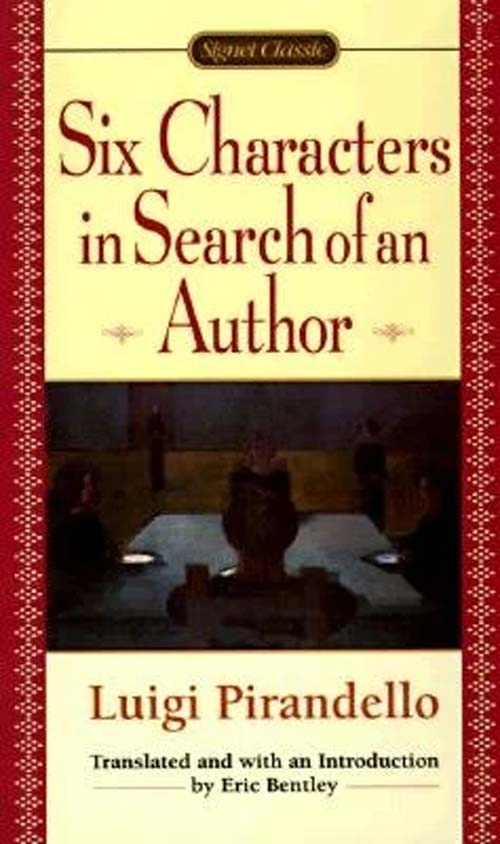
Six Characters in Search of an Author — Luigi Pirandello
This is a play rather than a novel. It begins with a rehearsal interrupted by six unfinished characters demanding that someone complete and stage their story.
There are plenty of editions to choose from, this is just one example. Signet Classics, 1998. ISBN 9780451526885.
➤ Find it at Amazon | Waterstones | Blackwells | Abes | eBay
Mist / Niebla — Miguel de Unamuno
Unamuno’s “nivola” follows Augusto Pérez through romantic and existential confusion until he confronts Unamuno himself about his fate.
University of Illinois Press, 2000. ISBN 9780252068942.
➤ Find it at Amazon | Waterstones | Blackwells | Abes | eBay
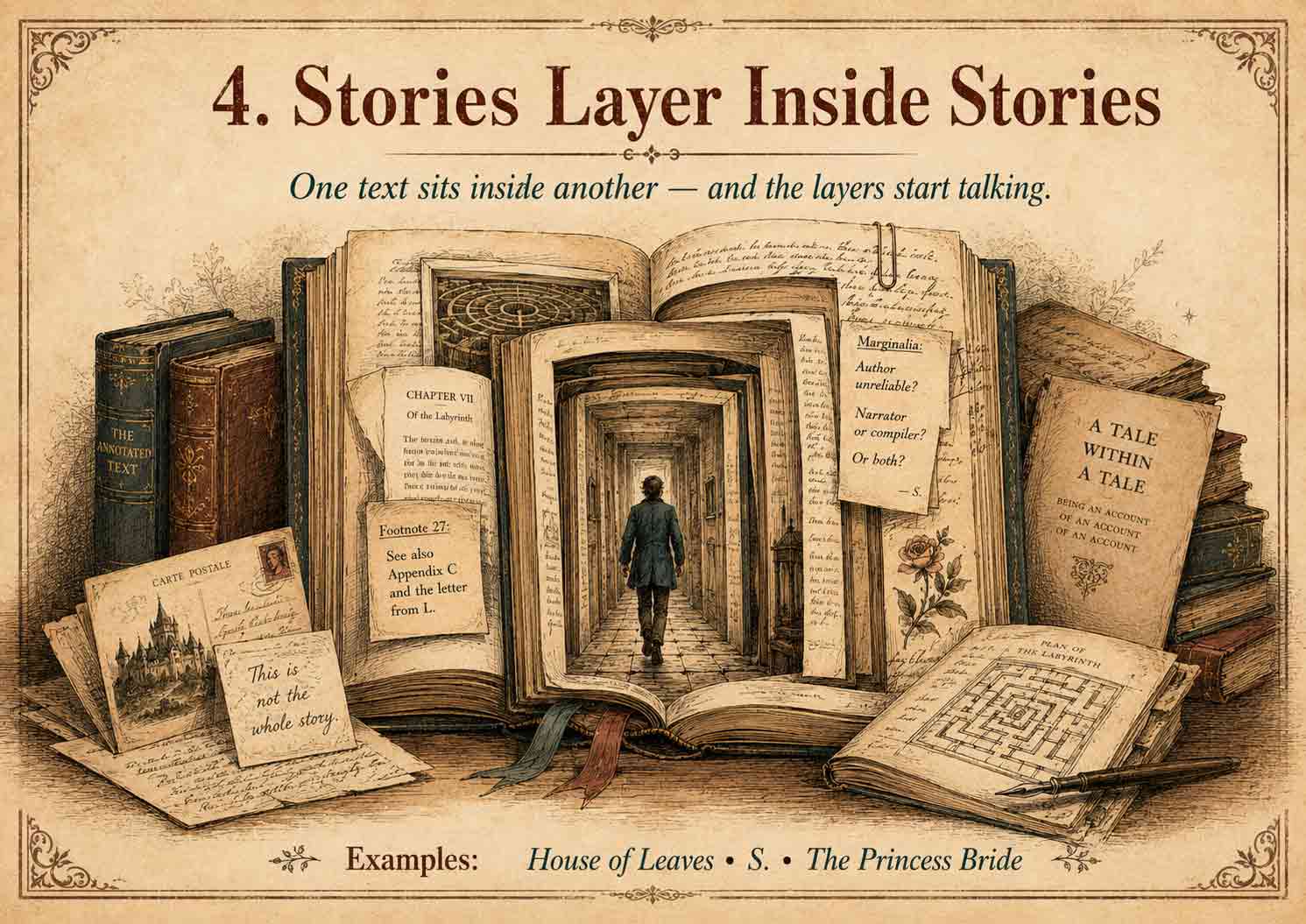
Stories Layer Inside Stories
Technique: One text sits inside another – and the layers start talking. Especially fun if you love literary puzzles.
This is the most bookish form of metalepsis: manuscripts, marginalia, footnotes, fake editions, false authors, commentaries, letters, inserts and archival fragments all pile up until the reader has to decide which layer to trust.
These books often overlap with ergodic literature, because the reader may need to move physically through multiple documents or reading paths.
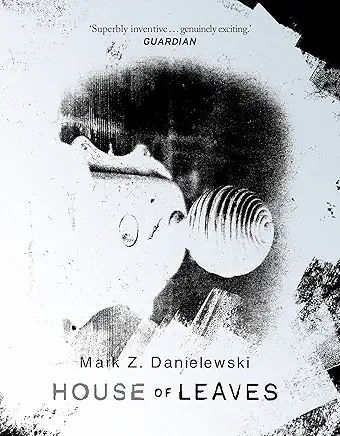
House of Leaves – Mark Z. Danielewski (2000)
A tattoo apprentice edits a dead man’s academic manuscript about a documentary that may not exist, concerning a house that is larger inside than outside. Footnotes, typography, colour, documents, and nested narrators create a labyrinth that mirrors the impossible architecture at the centre of the story. It is a demanding read, but also surprisingly interesting if you are happy to accept that getting lost is part of the pleasure of reading it.
Collector’s tips. Look out for the full-colour/remastered editions (and the companion chapbook The Whalestoe Letters if your edition doesn’t include it).
Pantheon Books, 2000. ISBN 9780375703768. (US)
➤ Find it at Amazon | Waterstones | Blackwells | Abes | eBay
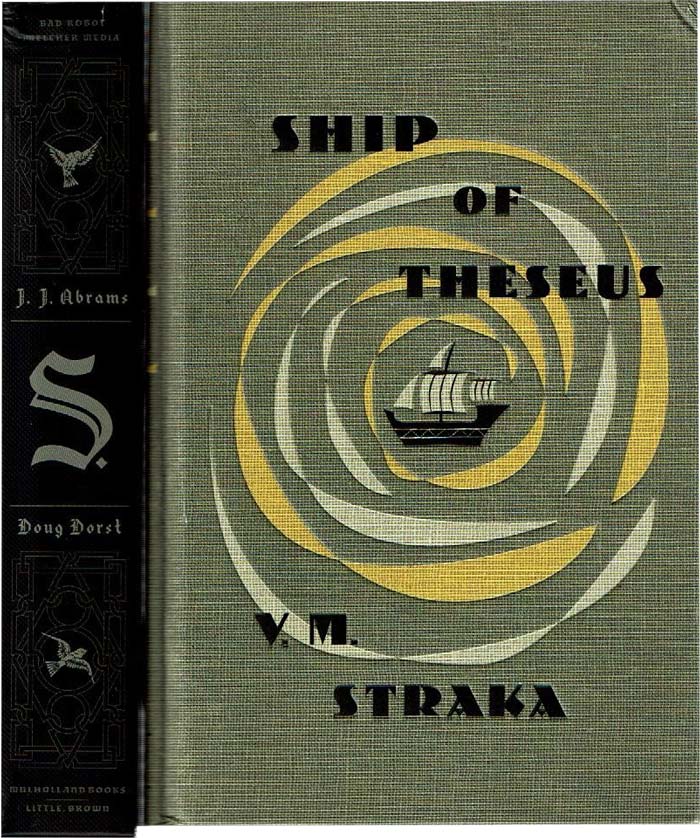
S. / Ship of Theseus - J. J. Abrams and Doug Dorst
S. presents itself as a battered library copy of the fictional novel Ship of Theseus by V. M. Straka, annotated by two readers whose marginal conversation becomes a second story. Loose inserts including postcards, maps, letters, and documents make the book feel like like a genuine artefact rather than a normal novel. It is a slow read since there’s a lot to decipher, but wonderfully immersive.
Collector’s tips. Get it new if you can, to be sure you have all the pieces since they can fall out pretty easily.
Little, Brown and Company (2013). 9780316201643 (US) | Canongate (2013). 9780857864772 (UK).
➤ Find US edition at Amazon | B&N | Blackwells | Abes | eBay
➤ Find UK edition at Amazon | Waterstones | Blackwells | Abes | eBay
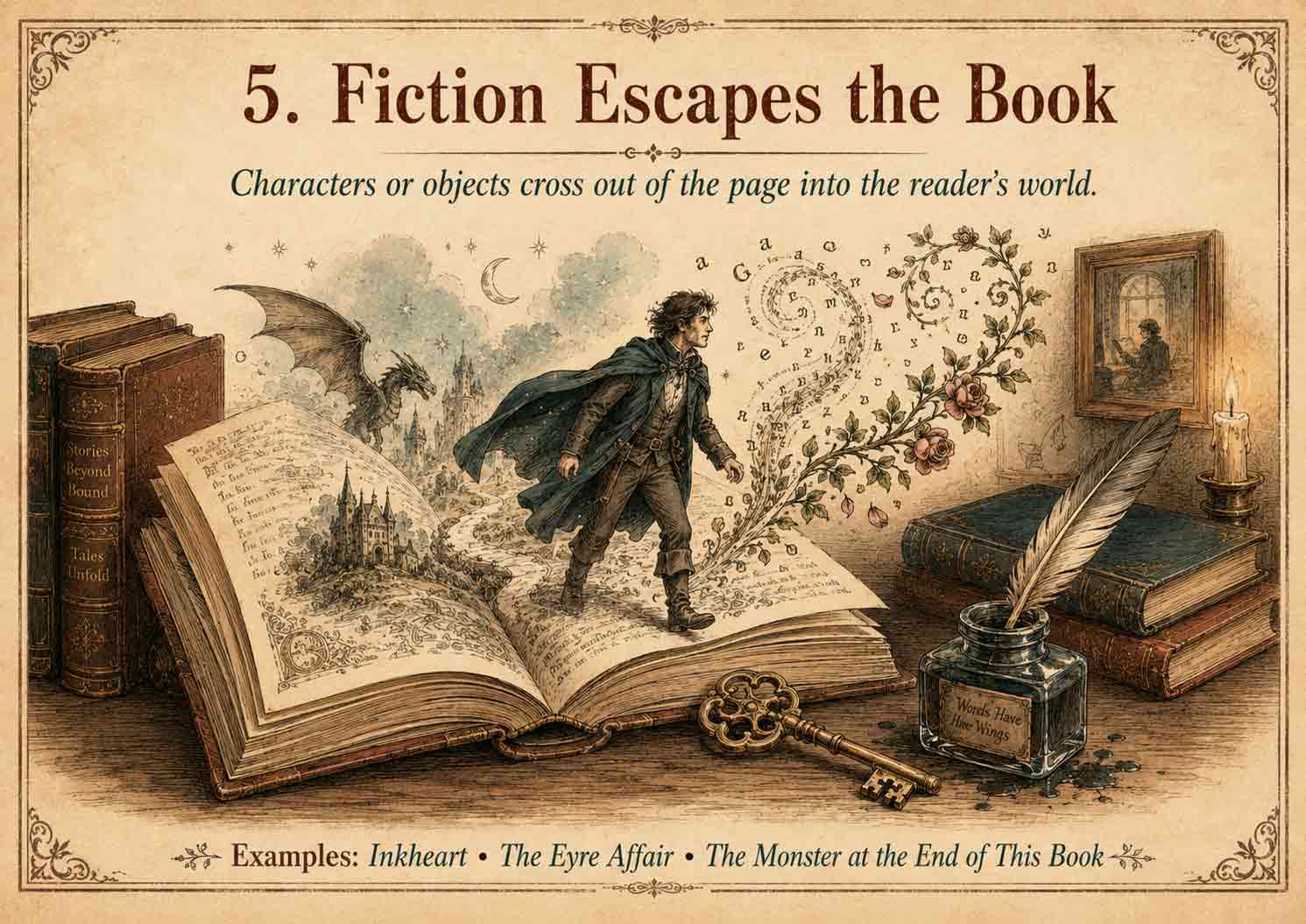
Fiction Escapes the Book
Technique: Characters or objects cross out of the page into the reader’s world. If you secretly believe books are magical portals.
This is the most literal and magical version of metalepsis. A fictional person, object or place escapes its book and enters the “real” world of the frame narrative.
It is especially powerful in children’s and fantasy literature because it makes our secret hopes feel possible: what if the people in books we read could come out?
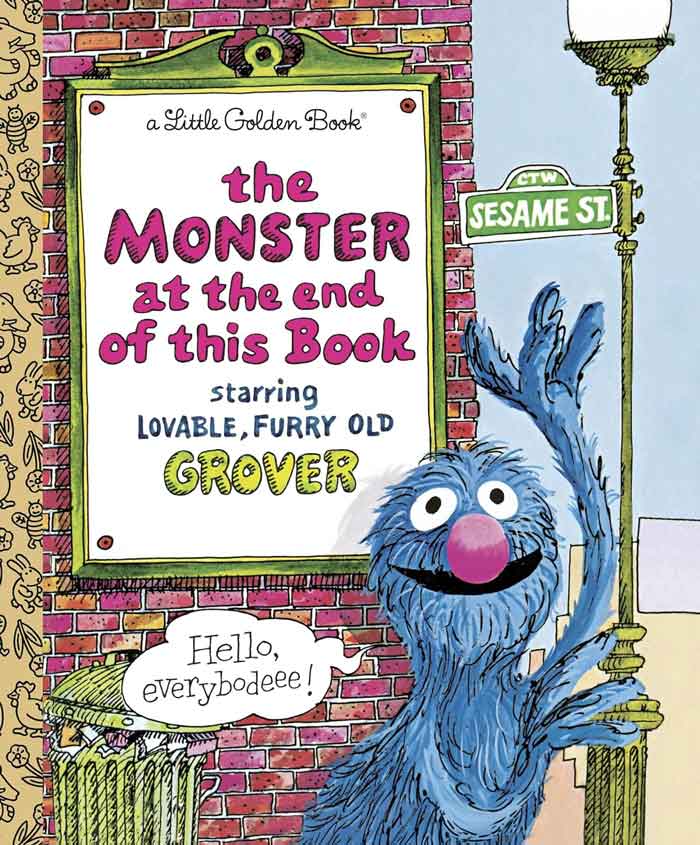
The Monster at the End of This Book - Jon Stone, illustrated by Michael Smollin
Metalepsis for picture books! Grover begs the child reader not to turn the pages because a monster waits at the end, but each page turn brings him closer to the dreaded reveal.
Collector’s tips. The classic Little Golden Book hardcover is inexpensive and giftable. Older Golden Press printings can be a target for nostalgia collectors.
Golden Books, 1999. ISBN 9780307010858.
➤ Find it at Amazon | B&N | Waterstones | Blackwells | Abes | eBay
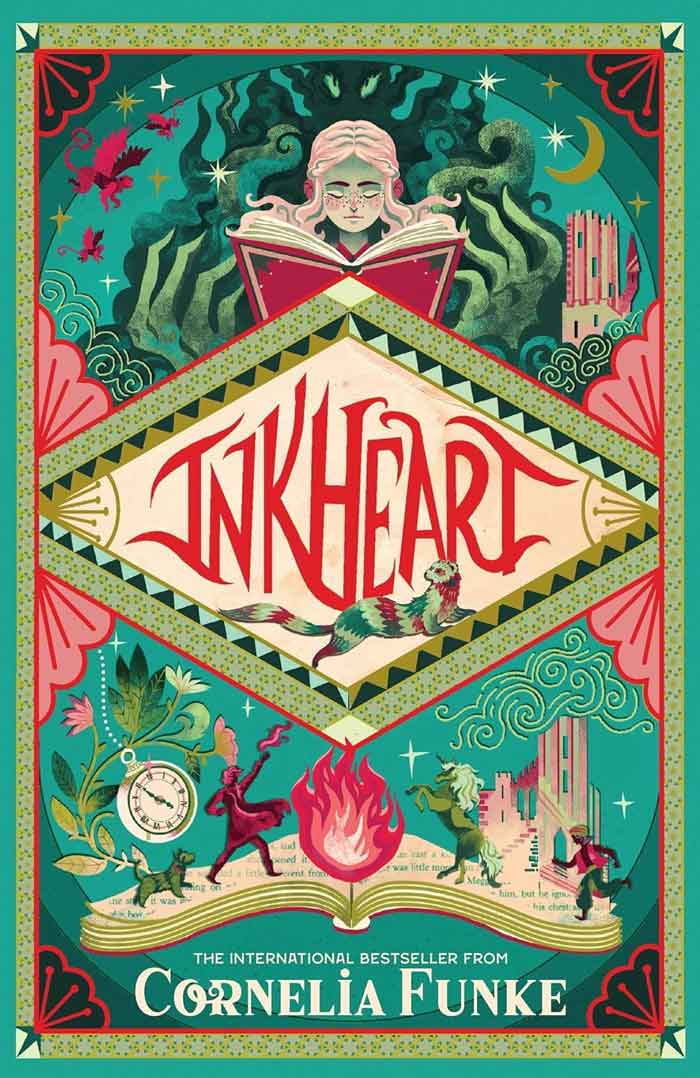
Inkheart - Cornelia Funke
Meggie’s father Mo has a dangerous gift: when he reads aloud, characters and objects can step out of books into the real world, sometimes at terrible cost. The metaleptic premise literalises the magic and danger of reading. Richly atmospheric in literalising the magic of reading.
Collector’s tips. The Books Illustrated 20th Anniversary Collector’s Edition illustrated by Alice Cao is stunning but hard (and crazy expensive!) to find. Some reader’s aren’t aware there was a fourth book, The Colour of Revenge, added to the ‘trilogy’ in 2024.
US: Scholastic, 2005. 9780439709101 (PB). UK: Chicken House, 2020. 9781912626847 (PB).
➤ Find US ed at Amazon | B&N | Blackwells | Abes | eBay
➤ Find UK ed at Amazon | Waterstones | Blackwells | Abes | eBay
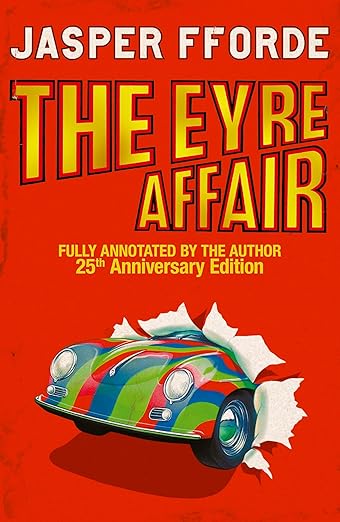
The Eyre Affair - Jasper Fforde
Literary detective Thursday Next investigates crimes against books in an alternate Britain where literature is politically and culturally alive. In the first novel, The Eyre Affair, the book of Jane Eyre becomes a place characters can enter, alter and protect.
Collector’s tips. The recent anniversary edition has illustrated endpapers and is annotated by the author which is a fun bonus!
Anniversary Ed. Hodder & Stoughton, 2026. 9781399753265 (HB).
➤ Find it at Amazon | Waterstones | Blackwells | Abes | eBay
US: Penguin, 2003. 9780142001806 (PB) | UK: Hodder & Stoughton, 2001. 9780340733561 (PB).
➤ Find US ed at Amazon | B&N | Blackwells | Abes | eBay
➤ Find UK ed at Amazon | Waterstones | Blackwells | Abes | eBay
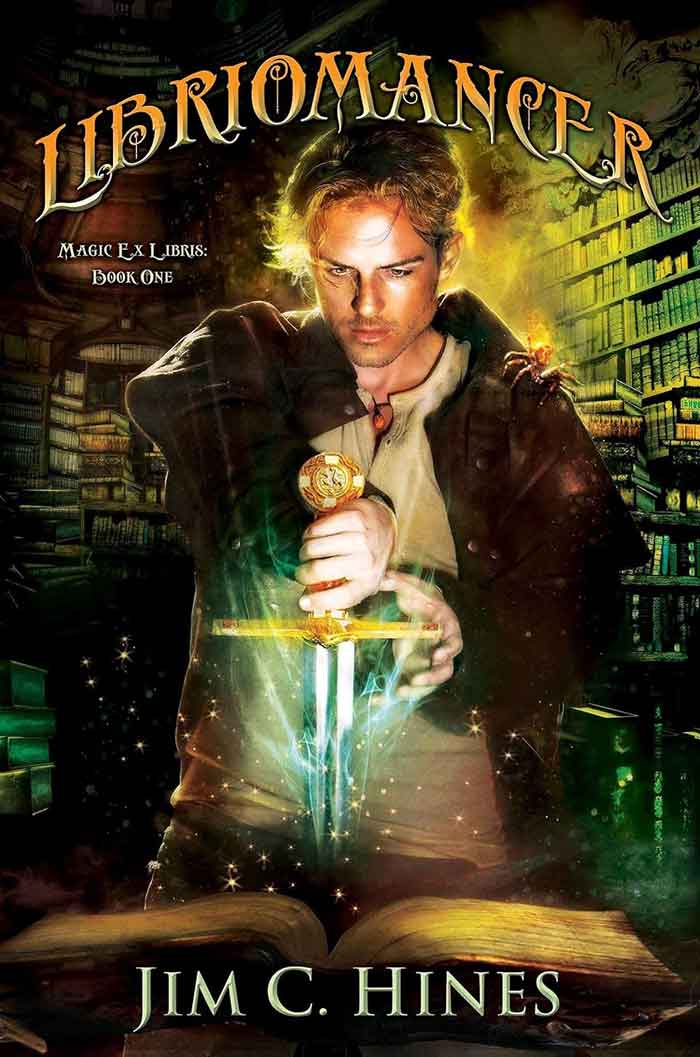
Libriomancer — Jim C. Hines
Isaac Vainio is a magic-user who can reach into books and pull out objects, provided the book can physically contain the imagined thing. Fun, geeky urban fantasy.
US: DAW, 2012. 9780756407391 (PB) | UK: Del Rey, 2014. 9780091953454 (PB).
➤ Find US ed at Amazon | Blackwells | Abes | eBay
➤ Find UK ed at Amazon | Waterstones | Blackwells | Abes | eBay
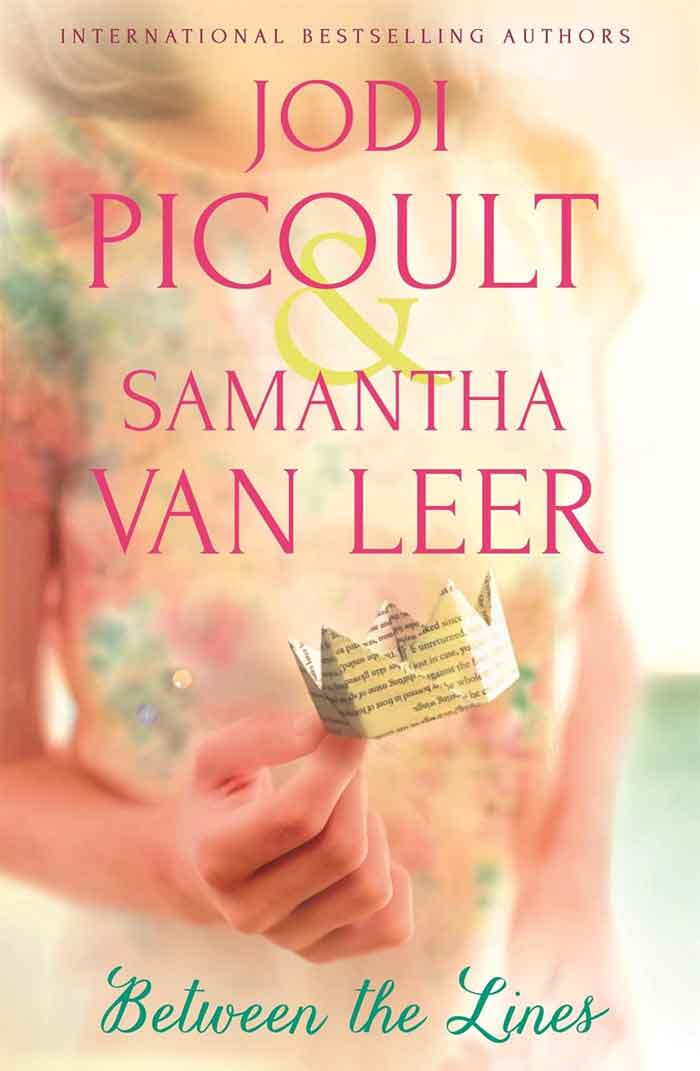
Between the Lines — Jodi Picoult and Samantha van Leer
Delilah discovers that Prince Oliver, the hero of her favourite fairy-tale book, is alive inside the story and wants to escape. Am charming YA fantasy, and it also has a sequel, Off the Page.
US: Simon & Schuster Books for Young Readers, 2012. 9781451635751 (HB) | UK: Hodder & Stoughton, 2013. 9781444740998 (PB).
➤ Find it at Amazon | B&N | Blackwells | Abes | eBay
➤ Find UK ed at Amazon | Waterstones | Blackwells | Abes | eBay
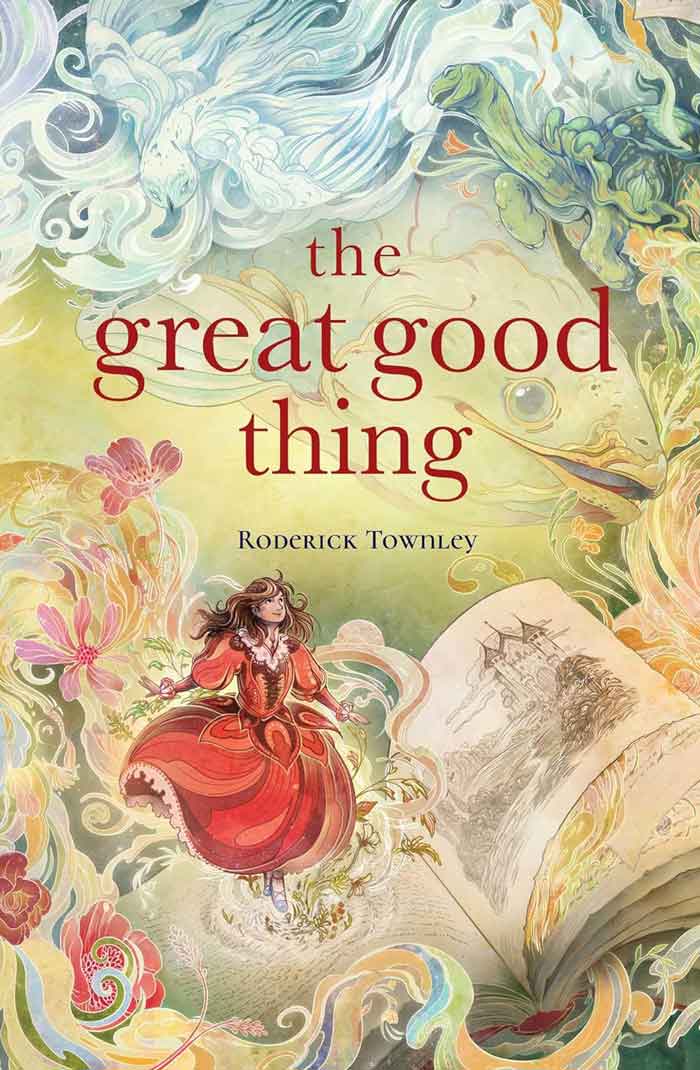
The Great Good Thing — Roderick Townley
Princess Sylvie lives inside a storybook and must perform her tale whenever a reader opens it, until she looks back at the reader and begins a new adventure beyond the page. It’s an imaginative and warm tale for young readers who wonder what fictional characters do when the book is closed.
Atheneum Books for Young Readers, 2025. 9781665973052 (PB).
➤ Find it at Amazon | B&N | Waterstones | Blackwells | Abes | eBay
0 Comments