Literary Legacy: Downsizing & Estate Planning
Last updated by Daisy on . (First published .)
On this page: Intro | Personal Note | Cataloging | Donating | Selling | Sharing your Story
A Gentle Guide to Future-Proofing Your Book Collection
Every book lover hopes their cherished collection will be cared for and appreciated after they’re gone. Bookshelves can feel like a joyous map of your life – packed with adventures and memories, comfort and learning. Thinking ahead about where those stories might go next is an act of generosity – both to spare your loved ones the stress of sorting through mountains of books, and also to make sure the books you care about the most will end up in hands that will cherish them too.
A Personal Note
I’m writing this now because my father died recently, and the months that followed were simply overwhelming. We read very different things, which made looking through his shelves particularly hard: every shelf felt like a small mystery I couldn’t quite solve. In the end, I kept only a handful of his books – a Jules Verne book he had won for “excellence at mathematics,” a historical Arthurian legend book I remember us talking about – but most were donated. One thing that made it tougher was not knowing which ones mattered most to him, or his other loved ones.
I catalogue my own collection in LibraryThing. I use tags and collections to make them easy to locate, and there is a private notes field where I’ve included guidance for my family on special volumes – why it matters, who might want it, or where to donate it they’re not interested. As part of my own Swedish death cleaning process, I’ve also talked with my kids about what they’d love to inherit (fantasy, mysteries, and manga made the cut) and what they’re less excited about for now (my beloved pop-up books – cue quiet tears and a hopeful “maybe later”). I want them to feel permission, not pressure, when the time comes.

Cataloging and Tagging Your Books for Heirs
One of the kindest gestures you can make for those who will handle your estate is to leave behind a clear catalog of your book collection. It doesn’t need to be fancy, the goal is just to communicate which books mean the most to you and how you envision their future
- Pick a format you’ll actually use. If you like the idea of an app, try LibraryThing, Libib, or Goodreads; most of these let you scan barcodes for quick entries if you want to catalog your whole collection, although it’s a bit more involved if you collect vintage private press books. But a basic spreadsheet also works fine, particularly if you only want to list a few books.
- Flag the special ones. You can add tags that are meaningful to you, and also ones that help others like “First edition,” “Signed,” or “Family keepsake.” You can use private fields to note specific instructions, like “Give to Henry” or “Valuable – ask a dealer.”
- Low-tech works too. If you don’t love tech solutions, you can slip a small note or bookmark into important volumes: “Please offer to Lila, we read this together when she was little” or “Rare – consider selling/donating to museum.”
- Leave gentle guidance. If you have very valuable items, you should probably note treasured titles in a will. But even a short “where to start” page (top five books to keep, who to contact, where to donate) could be very helpful. [Nb – my Dad did not have a will. Let me assure you, this complicates things enormously for those you leave behind. If you don’t have a will yet, then the most important thing you can take from this article is to make one now – you can even do something quickly right now for free.]

Donating With Intention: Libraries and Beyond
For many readers, the happiest ending is more reading. Donation can be a gratifying option, but it’s important to find the right home for your books. Some points to consider if you’re thinking about donating your books:
Ask first. Libraries (public, academic, and special-interest) have different policies and space limits. A quick call or email with a short list helps everyone.
Consider the fit. University or specialist collections may love focused subjects, or works of cultural value. Local history often suits archives or state libraries.
Be flexible. Needs vary by place and change over time. A small community library might welcome what a large city branch can’t.
A little pre-matchmaking now saves your family from hauling boxes only to hear, “We’re so sorry, not today.”
Why Libraries Sometimes Say “Not This Time”
If a library can’t take your books, it’s not a judgment on your shelves, it’s often simple logistics. Processing donations takes time, money, and precious space. Often, donations may be routed to ‘Friends of the Library’ book sales to raise funds (a lovely outcome in its own right). Going in with this understanding spares hurt feelings.
Other Welcoming Homes for Books
Libraries aren’t the only destination. Your books can spark joy in many places:
Schools & teachers: Great for children’s, YA, and classroom-friendly nonfiction.
Hospitals & care homes: Light paperbacks and large-print titles are greatly appreciated here.
Shelters & community programs: Family shelters, youth programs, and literacy nonprofits often share books directly with readers.
Military & veterans groups: Charities coordinate donations for service members and VA facilities.
Prison libraries: Regional “books to prisoners” groups can advise on what’s allowed and help with shipping.
Museums, archives, and societies: Niche collections (like railways, cookery, astronomy, regional history) may be warmly received.
Charity shops & book fairs: Goodwill, Salvation Army, Oxfam, church fairs, and Friends groups all turn books into program funding.
Little Free Libraries: A happy way to sprinkle favourites into your neighbourhood, one small stack at a time.
Book lover forums: Probably not particularly common, but last year the wife of an active member in a collector’s forum I’m part of decided to donate her late husband’s collection to members of the forum – knowing they would all go to homes of people who knew him, and would cherish the books.
Golden rule: always ask first and confirm what’s useful.

Selling Without Stress: Online Platforms, Dealers, and Auctions
If you don’t think your heirs would appreciate rehoming your books and you’re thinking about downsizing, selling part of a collection can be a sensible way to make sure you or your loved ones can benefit financially.
There are multiple selling options to consider:
Online marketplaces: The internet has made it easy to reach buyers worldwide. eBay and Amazon reach broad audiences; AbeBooks, Etsy and Biblio suit collectible/rare items. Be warned that commissions are high though – e.g. eBay US takes over 15% of the sale (including shipping) plus a per order fee, Amazon is similar. AbeBooks/Biblio differ by plan and also layer in per-item or processing fees. Etsy takes 6.5% of the total order but also charges listing fees, payment processing fees, ad fees, etc. Buyback tools (e.g., bookstore trade-in sites) are handy for bulk, common titles but won’t bring in much.
Local options: Used bookshops may offer cash or credit. Estate-sale companies can handle pricing and buyers if there’s a lot to move. You might get lucky on Facebook marketplace.
Dealers & auction houses: These are ideal for antiquarian or high-value items. Dealers pay wholesale (for their margin), but bring expertise and ready buyers. Especially sought-after pieces may realise high values at auction.
Leave a few breadcrumbs. If you suspect something is valuable, note it in your catalog, or even a bookmark in the book itself. If you’re doing this seriously, you can include example prices or contact details for a trusted dealer. Equally helpful is to flag items that have sentimental but not financial value, so your family knows what’s precious in memory, even if not on the market.

Leaving a Piece of Yourself: Writing and Sharing Your Shelf Story
Your books don’t just hold stories – they hold your stories. Many collectors find comfort in finding ways to leave a part of their legacy through the collection itself. One idea is to write about your books: you could pen a short memoir or notes about how you built your library, which books mattered most and why, and any anecdotes (such as that time you hunted through a Paris bookstall for a particular edition). This doesn’t have to be a formal publication – a handwritten journal or even a Word document kept with your records can become a treasured family keepsake. It allows your loved ones to understand the significance behind the items.
If writing a memoir feels daunting, you could curate a small project: perhaps a “top 10 books of my life” list with explanations, or an annotated catalog where you jot a sentence next to select titles about what they meant to you. Some collectors create scrapbooks or photo albums – you could take photos of special covers or inscriptions and write about them. Another avenue is to involve someone else: maybe co-author a piece with a fellow bibliophile (a friend, or even a willing family member) where you discuss your collection. This could be an interview-style article or a recorded conversation that you transcribe. The process itself can be deeply fulfilling, giving you a chance to reminisce and reflect on a lifetime of reading.
And finally, you may wish to consider living legacy gifts. For instance, if you have duplicates or less personally important books, you could start gifting them to friends or family before you pass away, letting them know why you chose that book for them. This shares the joy while you’re still here to see it.
But make sure they know you want these gifts to bring happiness, not burden – saying something like “please don’t feel you must hold onto these books – I’ve had my time with them, and I’m at peace with them finding new readers” will help them feel less fear that they are disrespecting you if they can’t keep it.
Perhaps people want to share their collecting stories here on this site? I’m open to contributions from collectors about the stories behind their collections if there are writers and readers interested – do let me know in the comments either way…
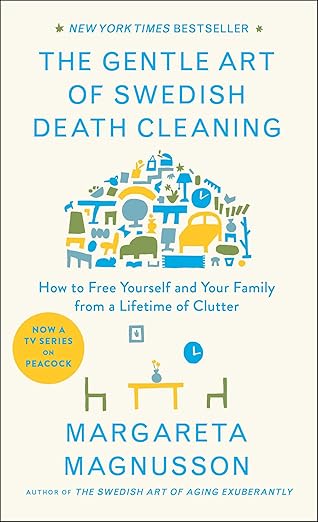 *A short note on Swedish Death Cleaning (döstädning): if you’re not familiar with this term, it’s basically a gentle approach to sorting and streamlining your possessions that ideally starts in mid-life. The idea is to gradually lighten the load for your future self and your loved ones by making thoughtful choices about what you keep now, and what should be gifted, sold, donated or discared. Check out Margareta Magnusson’s book The Gentle Art of Swedish Death Cleaning if you’re interested in learning more.


0 Comments