Lost in the Labyrinth
A collector’s map to ergodic, experimental and just plain weird books — from footnote labyrinths and novels out of order, to pull-out letters, literary puzzles and real-world treasure hunts.
Do you enjoy books that demand more of you than just straight reading? Books that ask you to flip pages back and forth, chase footnotes across margins, shuffle paper, pull out hidden inserts, or even roll dice to go on? I think they’re fun so I collect them!
Choose Your Route
On this page:
Please note that some of the links below are affiliate links for which I may be compensated (this does not affect my reviews nor cost you any money, but helps support my site hosting costs). I deeply appreciate your support of my site if you use these links, but warmly encourage you to buy from your local Indie bookshop if you have the opportunity.
What is ergodic literature?
Ergodic literature is usually defined to include texts that force the reader to perform “non‑trivial effort” to move through them. The term comes from the Greek ergon, meaning work, and hodos, meaning path. In other words: these are books where the reader has to do extra work to find the path.
That work might be physical, structural, visual, procedural, or investigative. You might have to read chapters out of order, follow footnotes, unfold letters, decode ciphers, turn the book upside down, choose a path, roll dice, compare contradictory documents, or decide how to assemble a story from fragments.
The term was first used for literature in 1997 by the Norwegian scholar Espen Aarseth, who had cybertext and early hyperfiction in mind at the time (jumping about the page using hyperlinks – essentially reading a wikipedia page, 5 years before wikipedia was invented). But today, ergodic literature is used more broadly to refer to texts that need physical, structural, visual, or interpretive effort.
These works often blur the line between genres – they can be part speculative fiction, part philosophical treatise, part mystery – earning them devoted fans who love dissecting every reference and symbol. They may not be mainstream bestsellers, but the readers who love them REALLY love them – forming book clubs, online discussions, and annotation projects to share theories or simply celebrate the weirdness.
I’m using the term fairly generously in this guide. Not every book here is strictly ergodic in the academic sense. Some are fully ergodic; others are ergodic-adjacent, experimental, interactive, or just gloriously strange. But all of them change the reading experience by making the reader do more than simply start at page one and continue obediently to the end.
A simple test
If you handed the book to someone and they read it from page one to the final page in standard order, would they have experienced it as intended? If the answer is “not really,” you are probably somewhere in the ergodic labyrinth.
For collectors, assembling a shelf of ergodic books is a joy because it often involves tracking down rare editions – unusual formats that create scarcity from tricky production leading to small print‑runs, some editions include extra maps or artwork, and you may even need to find pieces of the text that have been hidden outside of the book. And their cult reputations grow with every reader willing to wrestle with their complexity and vision, so there’s also some satisfaction in owning the kind of book that others might not immediately recognize, but when a fellow fan spots it on your shelf, you know you instantly have an hours-long conversation on your hands.
Below you’ll find a video walkthrough and field guide to the most sought‑after titles in this genre, grouped loosely by the kind of reading adventure they offer, and annotated with various interesting quirks. If you find these books interesting, please share your favourite books in this genre in the comments – collectors of these books (like me!) are always keen to hear what others enjoy and why!
VIDEO
Watch the guided tour
Every book or series mentioned in the video is marked with a ★ below, and you’ll also find bonus titles, edition notes, and buyer advice.
p.s. If you came to this page to find out what are the hidden ergodic elements in this video, I haven’t spoiled them here – but you can ask for hints in the comments if you really need help!
Quick Start
Best ergodic books to begin with
New to ergodic literature and want to dive right in? Start with the kind of experience you most want to have.
| If you want... | Try this book | Why? |
|---|---|---|
| A friendly literary gateway | If on a winter’s night a traveler | Playful, clever, and more welcoming than some experimental novels |
| A beautiful tactile object | Griffin and Sabine | Pull-out letters and postcards with lovely artwork |
| A book-as-artifact experience | S. Ship of Theseus | Marginalia, inserts, ciphers, and a faux library-book design |
| A brutal literary puzzle | Cain's Jawbone | 100 pages to reorder and six murders to solve |
| A boxed object to put together | Building Stories | Fourteen printed pieces in a box, read in whatever order you choose |
| A classic branching adventure | Choose Your Own Adventure | Reader choice, multiple paths, and nostalgic page-jumping |
| Something for the kids (or nostalgia) | The Jolly Postman | Removable letters and a charming interactive postbag |
| Real-world treasure | The Secret | Still some treasure to be found |
| A conceptual literary creature-feature | The Raw Shark Texts | Memory, trauma, typography, and a shark made of language |
| The famous cult labyrinth | House of Leaves | Typographic horror, footnotes, fake scholarship, and cult obsession |
Proto-Ergodic
Foundational Mindbenders
The origins of experimental fiction: books and text-objects that bend commentary, order, reference, page design, and the idea of reading itself.
The granddaddies of weird fiction are classic works that bent minds and broke all the rules long before “postmodern” was a buzzword – they proved that a book could be a playful puzzle, not just a straight narrative. You could go right back to the I Ching, but mostly we’re talking of novels that play with structure, language, and the reader’s expectations in unprecedented ways. For example, Laurence Sterne’s 18th-century Tristram Shandy (c. 1767) was “wildly experimental for its time,” telling its story out of order and even leaving entire pages blank.
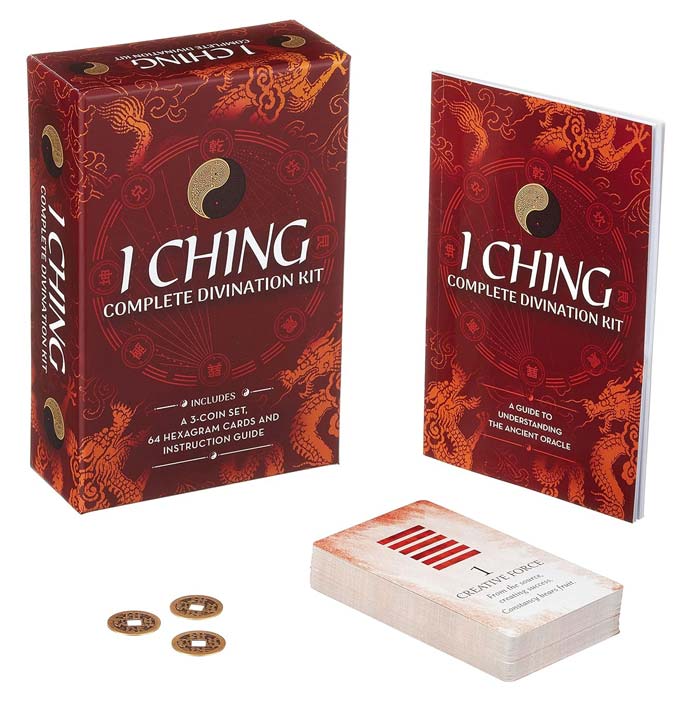
★ I Ching - The Book of Changes
An ancient procedural “reading machine”: the reader asks a question and consults the text through chance, hexagrams, cross-reference, and interpretation.
Collector’s tips. There are hundreds of versions around – look for a translation that is meaningful for you.
Arcturus Oracles (2021). 9781398803596. Complete kit with coins, cards and book.
➤ Find it at Amazon | Waterstones | Blackwells | Abes | eBay
☞ If you like this sort of thing, you might also be interested in my guide to collecting esoterica.
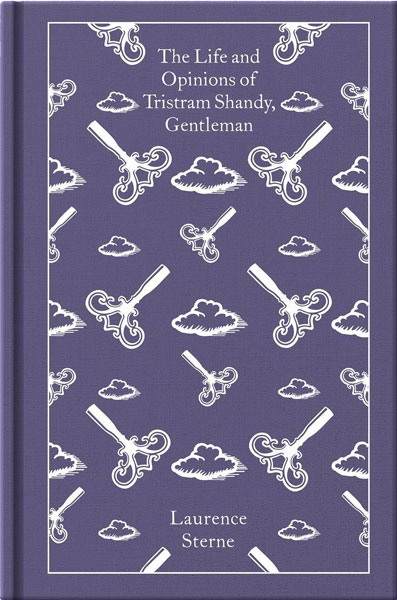
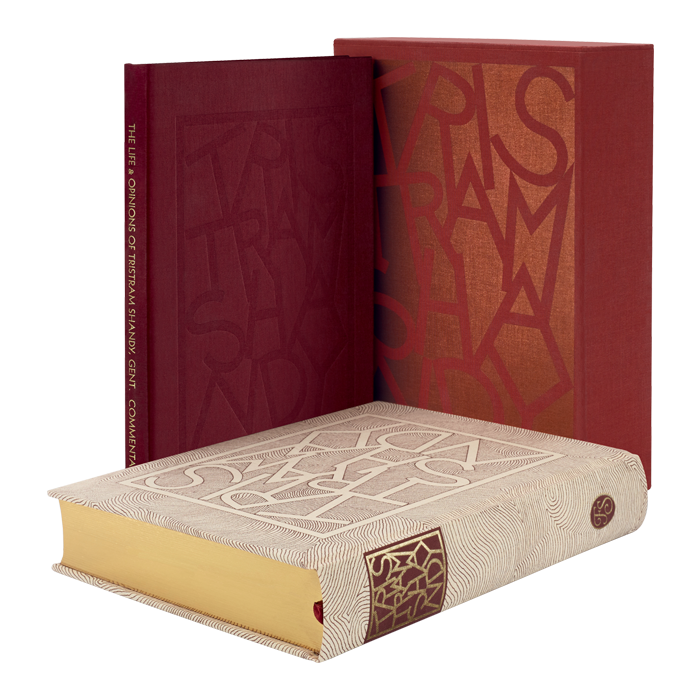
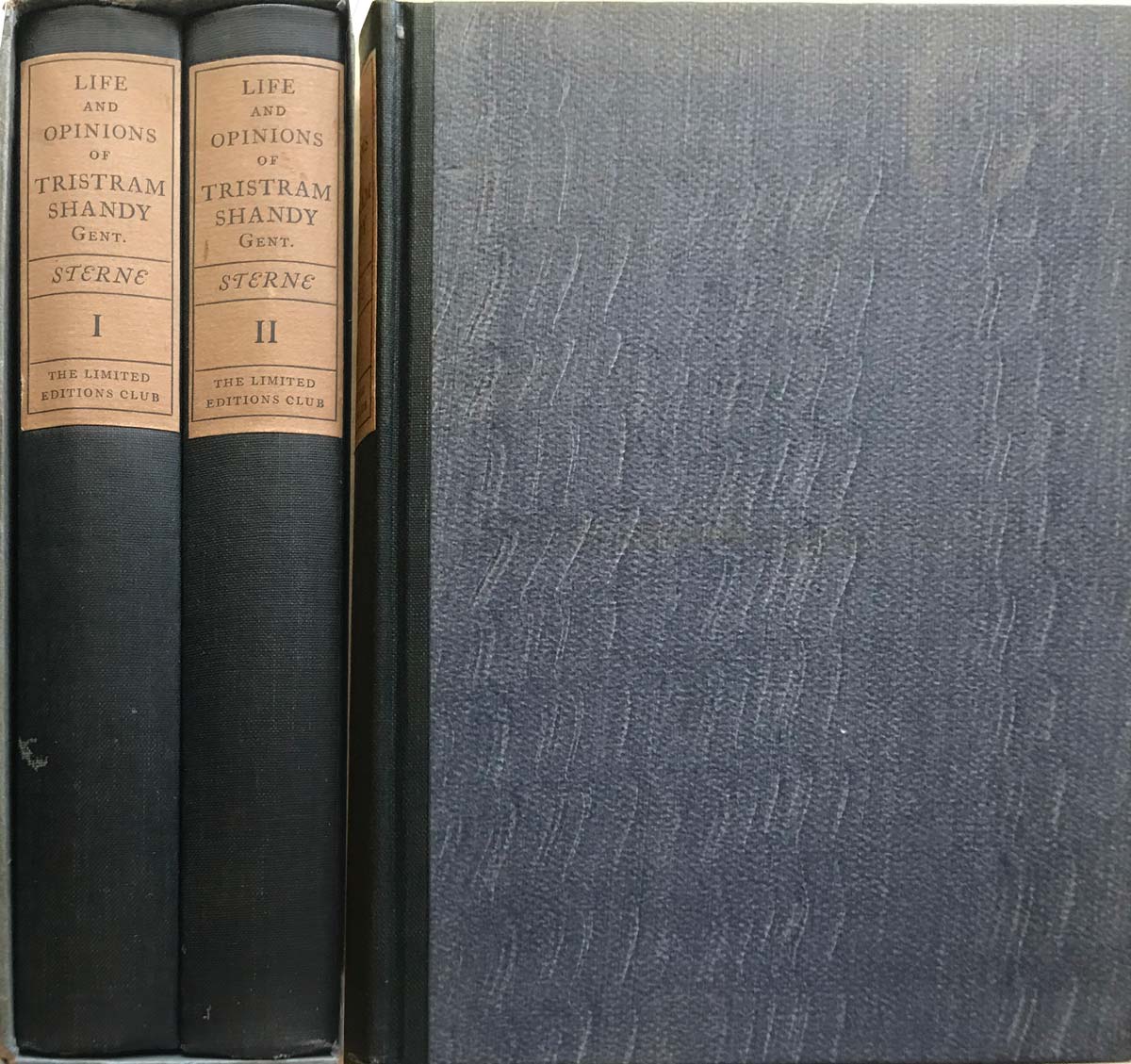
★ Tristram Shandy - Laurence Sterne (1759-1767)
A proto-ergodic, playful, rambling autobiography of Tristram Shandy that undermines the conventions of storytelling at every turn. Sterne’s narrative interrupts itself constantly, includes blank pages, blacked-out sections, typographic playfulness, and elaborate digressions. It forces readers to navigate an intentionally fragmented and non-linear story – more like a whimsical literary puzzle than a straightforward novel. But it’s surprisingly readable despite its age, thanks to Sterne’s warm, conversational tone and mischievous wit.
Collector’s tips. Early editions are valuable, but the beautifully illustrated reprint by the Folio Society (2020) is particularly special. Earlier FS editions (1970 and 2005) have nice woodcuts by John Lawrence and a beautiful tipped in marbled page. The Limited Editions Club edition (1935, 1500 copies) is in two volumes illustrated by T. M. Cleland, who also reproduced the marbled page inserts, or. But the Penguin clothbound is usually cheap and easy to find as well as quite pretty if you mainly want to enjoy the story.
Penguin Clothbound Classics (2024). Hardcover, 9780241552667.
➤ Find it at Amazon | B&N | Waterstones | Blackwells | Abes | eBay
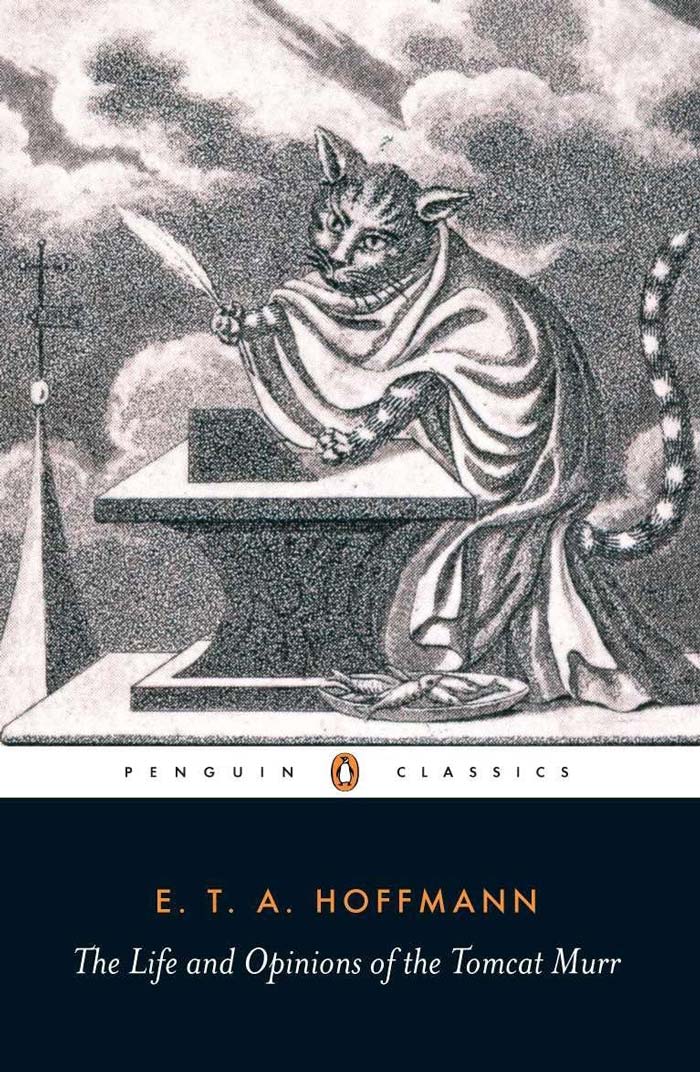
★ The Life and Opinions of the Tomcat Murr — E. T. A. Hoffmann (1819–1821)
A cat’s autobiography is supposedly spliced with the biography of fictional musician Johannes Kreisler, making the book actively perform disorder as you read. (Proto-ergodic.)
Review. A cat’s autobiography is supposedly spliced with the biography of fictional musician Johannes Kreisler, making the book actively perform disorder as you read. (Proto-ergodic.)
Collector’s tips. There aren’t a lot of English versions – I have the Penguin Classics edition which is a very readable translation. The book works fine as a stand-alone, but it’s a richer experience if you pair it with the original inspiration novel, Tristram Shandy.
Penguin Classics (Penguin, 1999), paperback, 384 pp, ISBN 9780140446319. Translated by Anthea Bell.
➤ Find it at Amazon | B&N | Waterstones | Blackwells | Abes | eBay
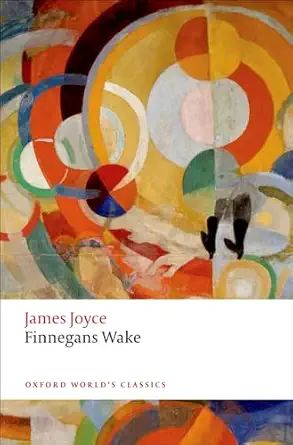
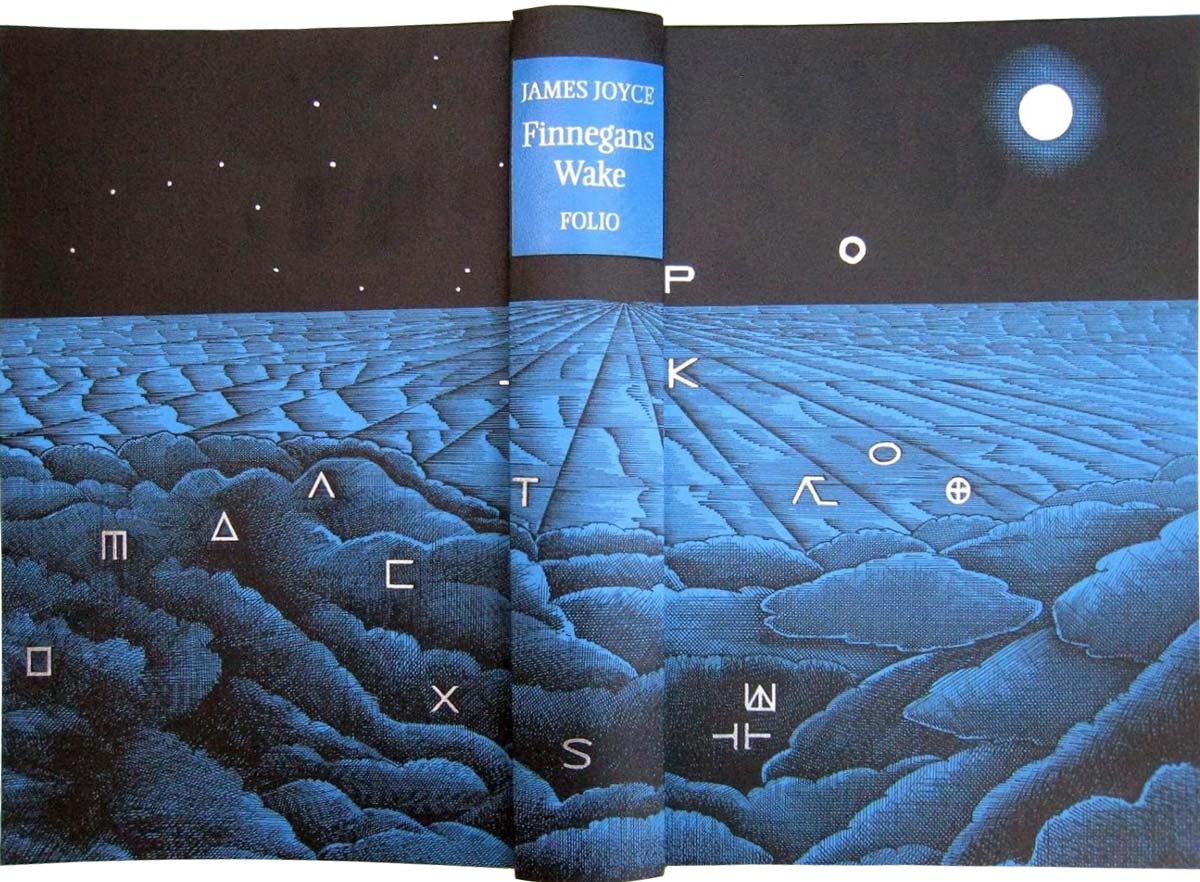
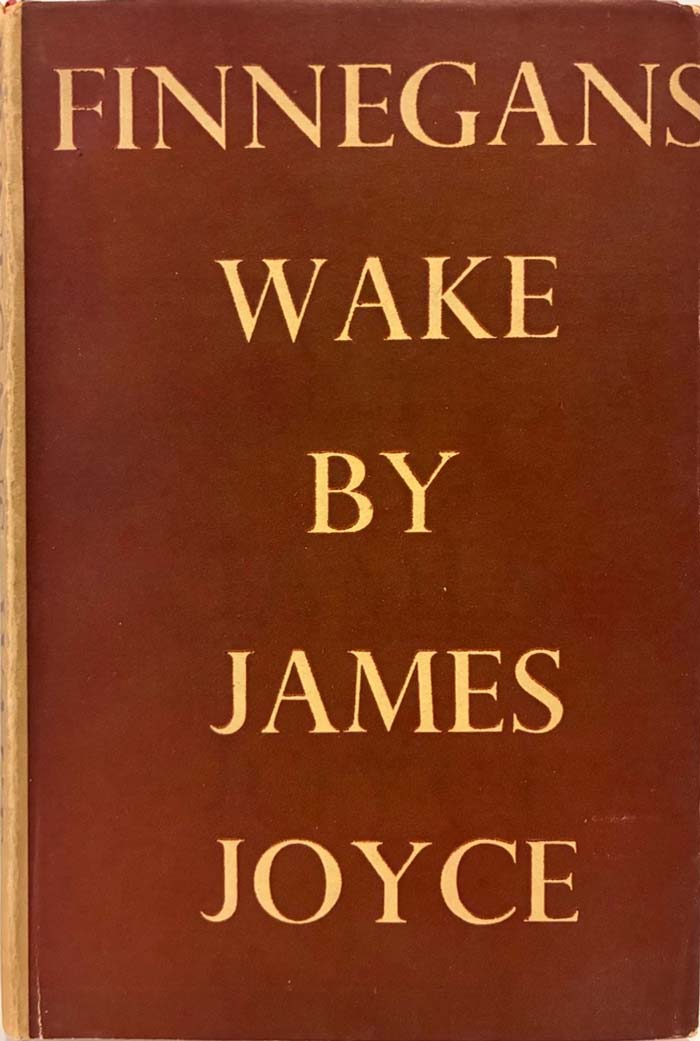
★ Finnegans Wake - James Joyce (1939)
Famously difficult, Joyce’s final work immerses readers in a looping, dreamlike narrative crafted from multiple languages and puns. It was released in serialized form, in Parisian literary journals titled Fragments from Work in Progress. The actual title of the work remained a secret until the book was published in its entirety in May 1939. As a reading experience, it’s notoriously challenging. Dense prose is not enough by itself to qualify as ergodic, but some argue that its ergodic-adjacent quality arises from the circular structure (it opens mid-sentence, with its last unfinished sentence circling back into its first).
Collector’s tips. The original 1939 edition was full of typos, and Joyce spent several years correcting these errors (finally incorporated into the text in 1958). The earlier text is annoyingly the version used in several modern editions, such as the 1999 Penguin version (the Oxford edition from 2012 has the updated text, so I recommend that instead). The FS edition of 2014 is lovely but OOP and crazy expensive. If you can find a version that has the text running over 628 pages, it matches well with Roland McHugh’s reading aide Annotations to Finnegans Wake. (Alternatively, A Skeleton Key to Finnegans Wake by Joseph Campbell is also a great companion book.)
Oxford World’s Library (2012). Paperback, 9780199695157.
➤ Find it at Amazon | B&N | Waterstones | Blackwells | Abes | eBay
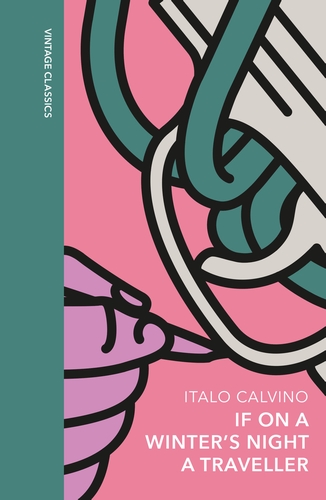
If On a Winter’s Night a Traveler – Italo Calvino (1979)
Calvino’s famously meta-fictional work is structured as chapters from ten different imaginary novels, each abruptly ending at moments of tension, leaving the reader perpetually beginning new stories. Calvino’s novel is not strictly ergodic, but it is deeply relevant to ergodic literature because it turns the act of reading into the subject of the book. The ergodic ‘experience’ emerges from its narrative interruptions, addressing the reader directly and requiring active mental reconstruction of multiple storylines. Despite its challenging structure, it’s charmingly readable.
Collector’s tips
The first English-language edition is nice, but there are also quite affordable modern reprints like the Vintage classics edition.
Vintage Classics (2023), 9781784878665,. (Originally published 1979).
➤ Find current printing at Amazon | Waterstones | Blackwells | Abes | eBay
☞ Read more about these techniques in Breaking the Frame: A Guide to Narrative Metalepsis (it’s more interesting than it sounds, I promise!)
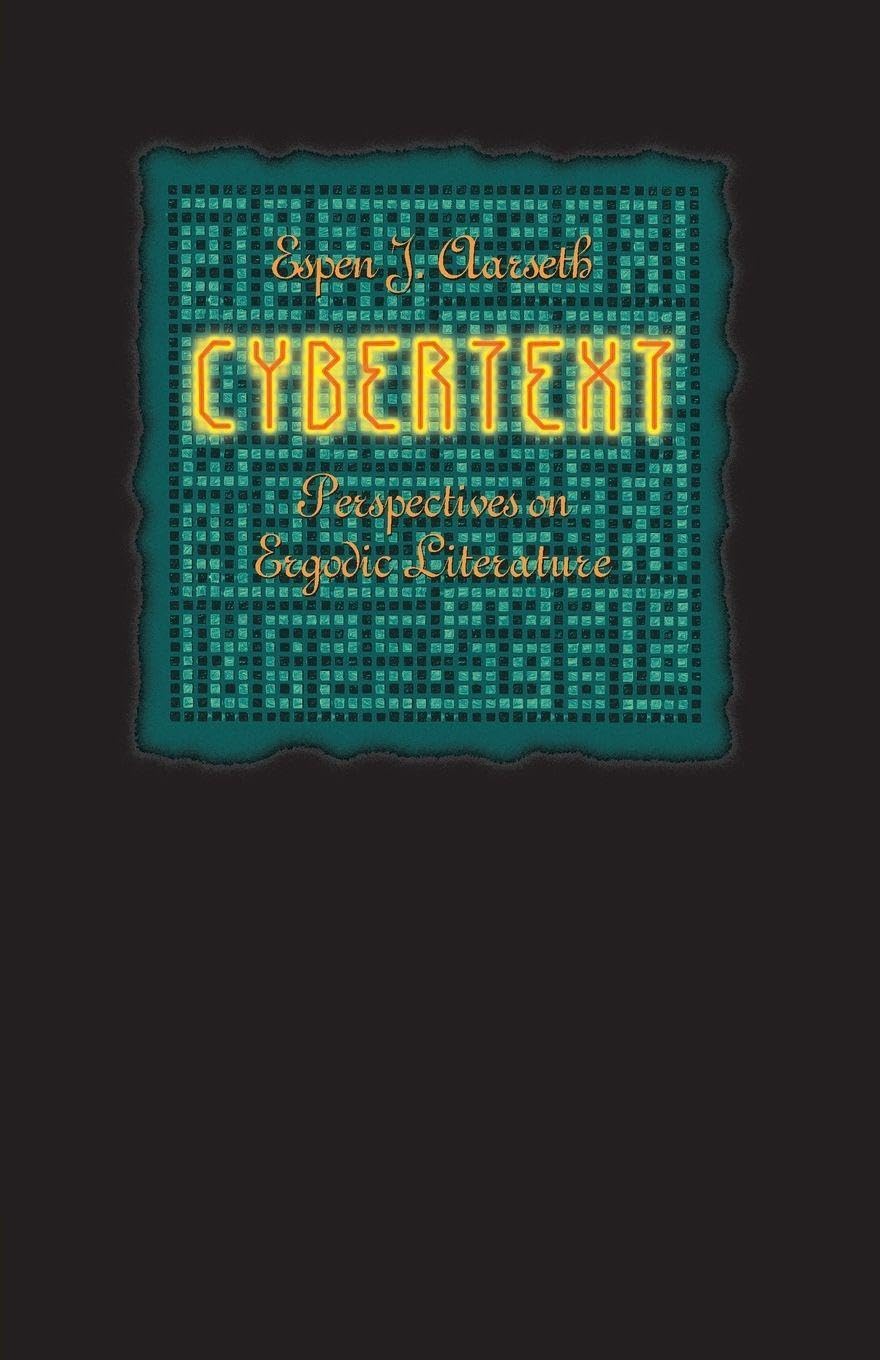
Cybertext: Perspectives on Ergodic Literature — Espen J. Aarseth (1997)
This one isn’t itself ergodic, but it is the key theoretical work behind the modern literary use of the word ergodic. It’s really for readers who want the academic framework behind cybertexts, games, hyperfiction, and non-trivial traversal – I wouldn’t suggest it as a display-worthy object.
John Hopkins University Press (1997), 9780801855795.
➤ Find it at Amazon | B&N | Waterstones | Blackwells | Abes | eBay
SOLVING PUZZLES
Puzzle Dossiers & Detective Cases
These oddities usually attract the playful at heart: mystery solvers, gamers, and pop culture geeks. (If you were teacher’s pet at school, basically these are the books that give you homework and the chance of a high grade at the end to reward you…)
Puzzle books and detective dossiers turn reading into reconstruction. Instead of simply following a plot, you inspect evidence, compare clues, restore a hidden order, or test your theory against a sealed solution. Dennis Wheatley’s Crime Dossiers made the detective file itself into the object of play, while Cain’s Jawbone took the idea to near-diabolical extremes by giving readers one hundred pages and asking them to work out the correct order, the victims, and the murderers. These books are not always comfortable reads, but that hasn’t stopped countless enthusiasts from cutting up copies, rearranging snippets, and comparing notes online.
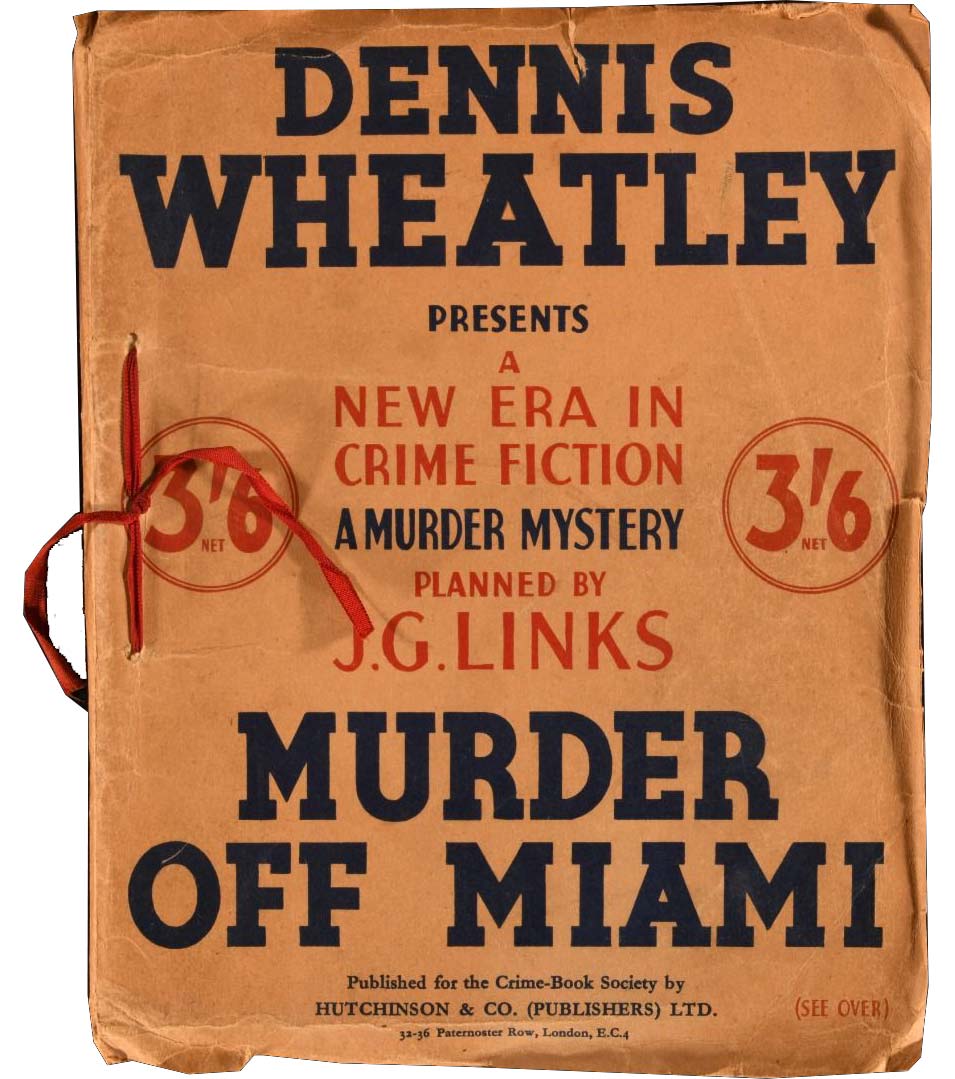
★ Crime Dossiers - Dennis Wheatley & J. G. Links (1936-1939)
Wheatley’s four crime dossiers are less novels than scrapbooked detective cases: readers examine witness statements, photographs, clues, reports, and physical ephemera to solve the crime themselves. As collectible book-objects they are important ancestors of later dossier novels and interactive mysteries.
- Murder Off Miami (1936) – investigates the mysterious death of a millionaire aboard a cruise ship.
- Who Killed Robert Prentice? (1937) – A case revolving around a supposed suicide that quickly turns out to be murder.
- The Malinsay Massacre (1938) – A series of murders occurs on a remote island
- Herewith the Clues! (1939) – the proprietor of a shady nightclub is murdered.
Collector’s tips
Only the original Hutchinson dossiers from the 1930s come with the cool interactive evidence, later reprints just have photos. But vintage copies do have to be inspected carefully to ensure they have all the pieces.
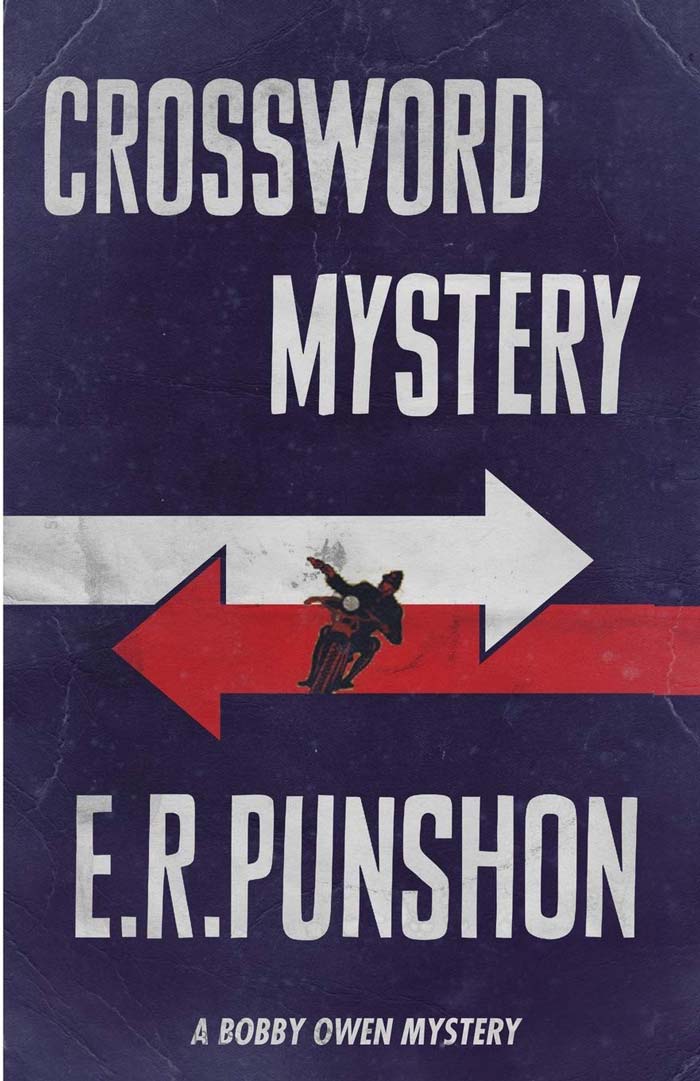
Crossword Mystery - E. R. Punshon (1934)
A Golden Age Bobby Owen mystery built around a crossword-related puzzle. It is less physically interactive than the Wheatley dossiers or Cain’s Jawbone, but it belongs here as an early example of puzzle culture merging with detective fiction. As a mystery, it’s readable if you enjoy period crime novels, though its ergodic element is fairly light.
Reprint: Dean Street Press, 2015. 9781911095330.
➤ Find it at Amazon | B&N | Waterstones | Blackwells | Abes | eBay
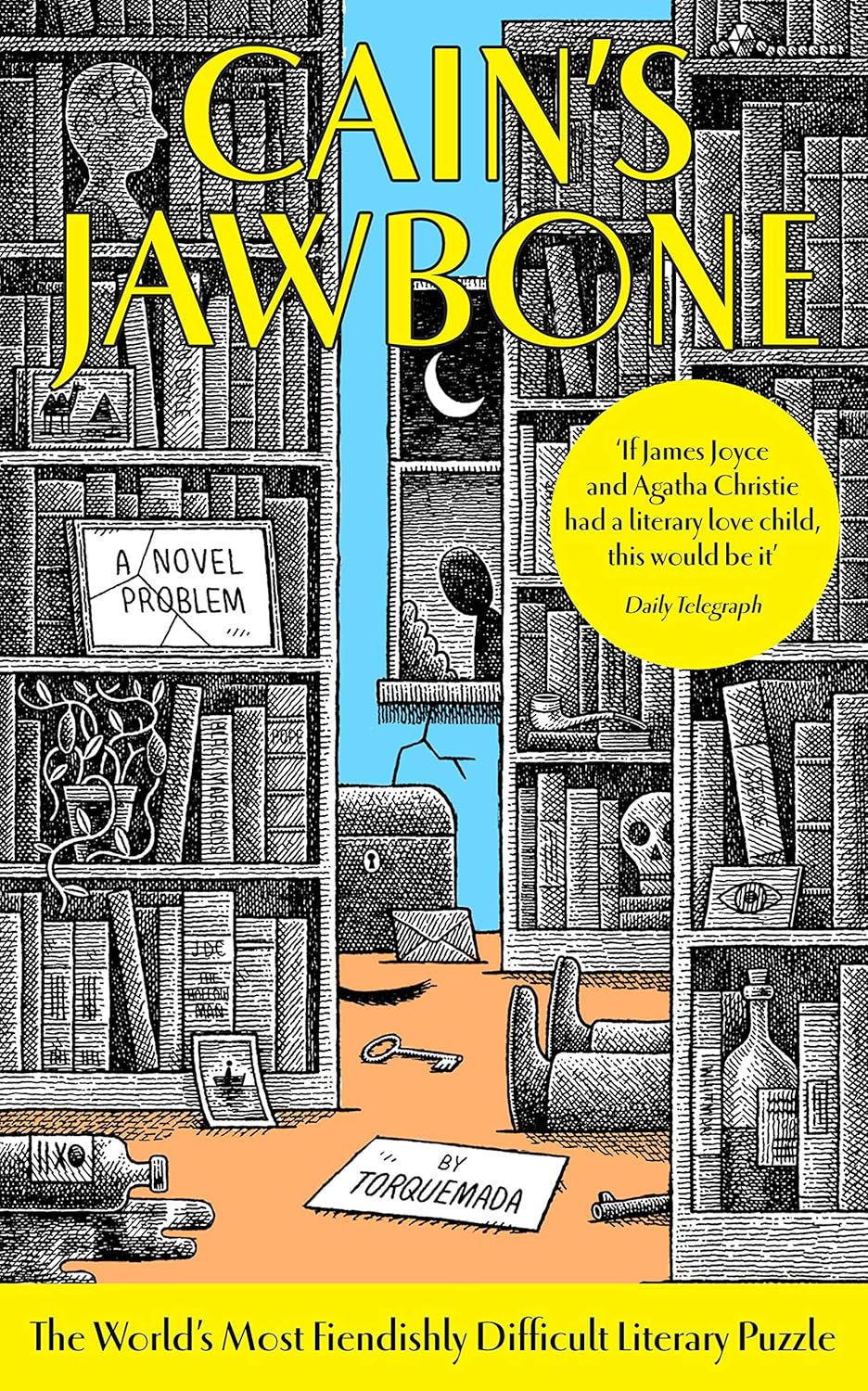
★ Cain’s Jawbone – Edward Powys Mathers (1934/2019)
A murder mystery where the book’s 100 pages are deliberately printed out of sequence, challenging readers to reorder pages correctly and solve six murders. Infamously difficult (the number of possible combinations is a figure with 158 digits, and only a handful have ever solved it), this puzzle-book prioritises challenge over straightforward readability. It’s not all that enjoyable as a conventional narrative (because you never really get to read it in order!), but it’s an intriguing literary puzzle ideal for those who relish extreme reading challenges.
Collector’s tips
If you buy it as a normal book, you have to physically cut the pages out (ouch!). I much preferred the version in a box where they came as loose sheets, but it’s sadly out of print.
Bloomsbury (2026). 9798260200506.
➤ Find it at Amazon | B&N | Waterstones | Blackwells | Abes | eBay
➤ OOP. Find deluxe loose leaf boxed edition at Amazon | Abes | eBay
As: Torquemada Puzzle Book. Camelot Editora (2023). 9786585168298. (First published 1934.)
➤ Find it at Amazon | B&N | Waterstones | Blackwells | Abes | eBay
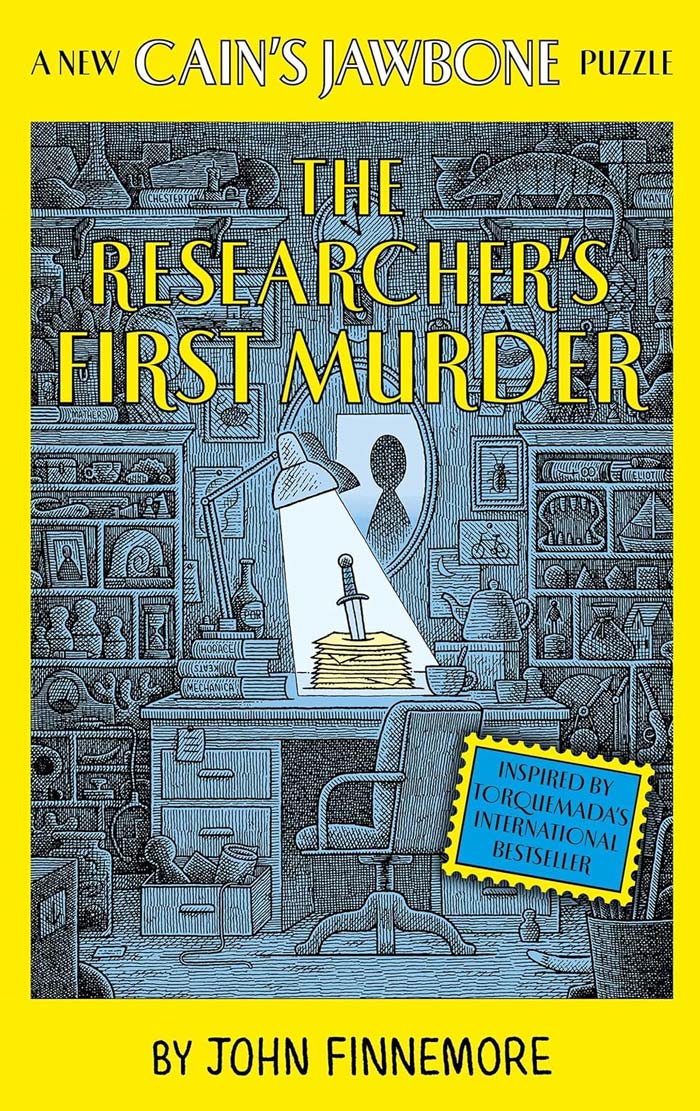
The Researcher’s First Murder - John Finnemore (2024)
A modern successor to Cain’s Jawbone (and written by the first person to solve the modern edition), this puzzle asks readers to solve a disordered locked room mystery along with ten murders. Super-cool illustrations look like a box of postcards. Like Cain’s Jawbone, it’s not a smooth sit-down-and-read novel; it is a fiendish literary puzzle-box for people who enjoy being tormented by paper.
Collector’s tips
Once again, I recommend the box of postcards over an actual bound book.
Unbound (2024). 9781800183643.
➤ Find it at Amazon | B&N | Waterstones | Blackwells | Abes | eBay
SHUFFLE BOOKS
Books in Boxes & Decks of Pages
For readers who like to unbox the narrative and play with fate.
Shuffle literature includes stories unbound from the usual spine, often delivered in boxed sets or card decks. This unconventional format was radical when it first appeared in the 1960s, challenging the notion that a story’s chapters must come bound and ordered. One famous example is Marc Saporta’s Composition No. 1 (1962), a novel printed on loose pages meant to be randomly shuffled “like a deck of cards”. Another is B.S. Johnson’s The Unfortunates (1969), which arrived as 27 unbound sections inside a small box. Apart from the packets labeled “First” and “Last,” the reader is free to shuffle the remaining sections and read them in any sequence. In these works, the act of reading is part literary experiment, part playful game.
The idea has since popped up occasionally, even in graphic novels like Chris Ware’s Building Stories, which includes fourteen separate booklets in a box. Collectors are drawn to books-in-boxes because finding them in good, complete condition can be difficult (all those pieces stay together less easily than a normal book!) and visually distinctive. These editions make great centerpieces on a shelf – they practically beg to be taken out and explored with curiosity and a bit of kid-in-a-candy-store glee.
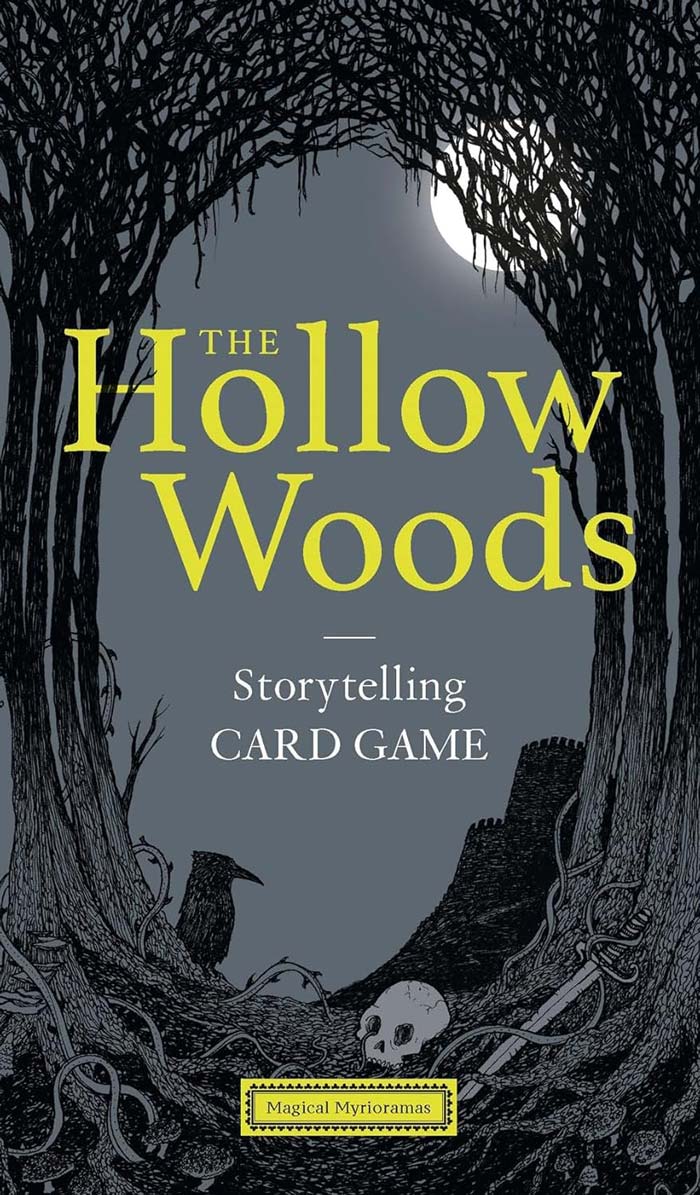
★ Myrioramas - Various Authors
Myrioramas are decks of illustrated cards designed so the edges always match up. You can lay them in a line in almost any order and create a continuous scene – an endless panorama constructed by the reader.
If you have the time and patience you may be able to find some vintage ones, but for modern versions, Laurence King’s Magical Myrioramas boxed sets provide nice story engines. Each set contains twenty illustrated cards that line up in any order, creating a seamless scene but a different implied story each time
Collector’s tips
The four Laurence King sets each offer a different story-world. The Hollow Woods sends you through an enchanted landscape of dragons, unicorns and shadowy figures. The Mystery Mansion follows a strange country-house corridor full of suspicious characters and gothic accidents. The Shadow World plays in a science-fictional world of collapsed space, bent time and overlapping dimensions. The Endless Odyssey turns the form toward myth, with winged horses, vengeful gods, monsters, prophecies and perilous crossings. Tom Gaul’s Endless Journey is inspired by the works of Laurence Sterne, so fans may notice a few literary references in the images.
Magical Myrioramas series. Laurence King Publishing (US) / Orion (UK).
The Hollow Woods. 2017. Illustrator: Rohan Daniel Eason. 9781786270221 (US) | 9781786273147 (UK).
➤ Find it at Amazon | B&N | Blackwells | Abes | eBay
The Mystery Mansion. 2018. Illustrator: Lucille Clerc. 9781786271518 (US) | 9781786271518 (UK)
➤ Find it at Amazon | B&N | Blackwells | Abes | eBay
The Shadow World. 2018. Illustrator: Shan Jiang. 9781786273147.
➤ Find it at Amazon | Blackwells | Abes | eBay
The Endless Odyssey. 2019. Author: Marion Deuchars. Illustrator: Sarah Young. 9781786275172.
➤ Find it at Amazon | Waterstones | Blackwells | Abes | eBay
Art of Play
Endless Journey – Tom Gauld
➤ Find it at Art of Play
★ Cent mille milliards de poemes [A Hundred Thousand Billion Poems] — Raymond Queneau
A book containing ten sonnets printed so that each of the fourteen lines is cut into a separate strip. You can physically recombine the lines to generate different sonnets (100 thousand billion options, quelle surprise!). More fun as an object than a poetry reading though.
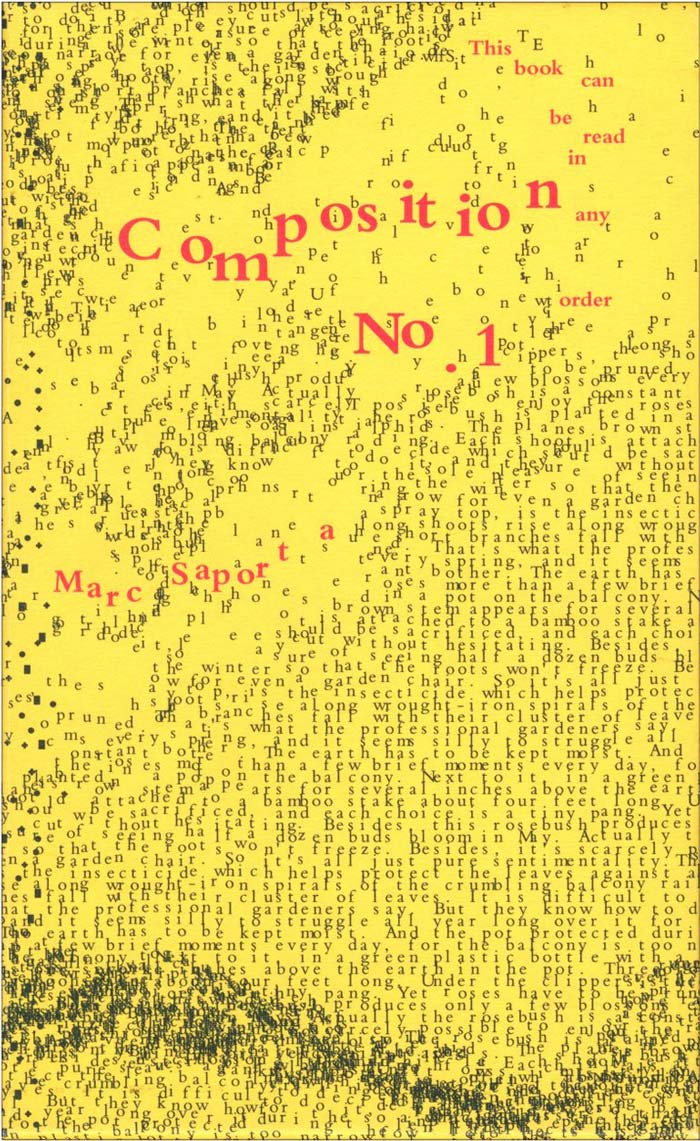
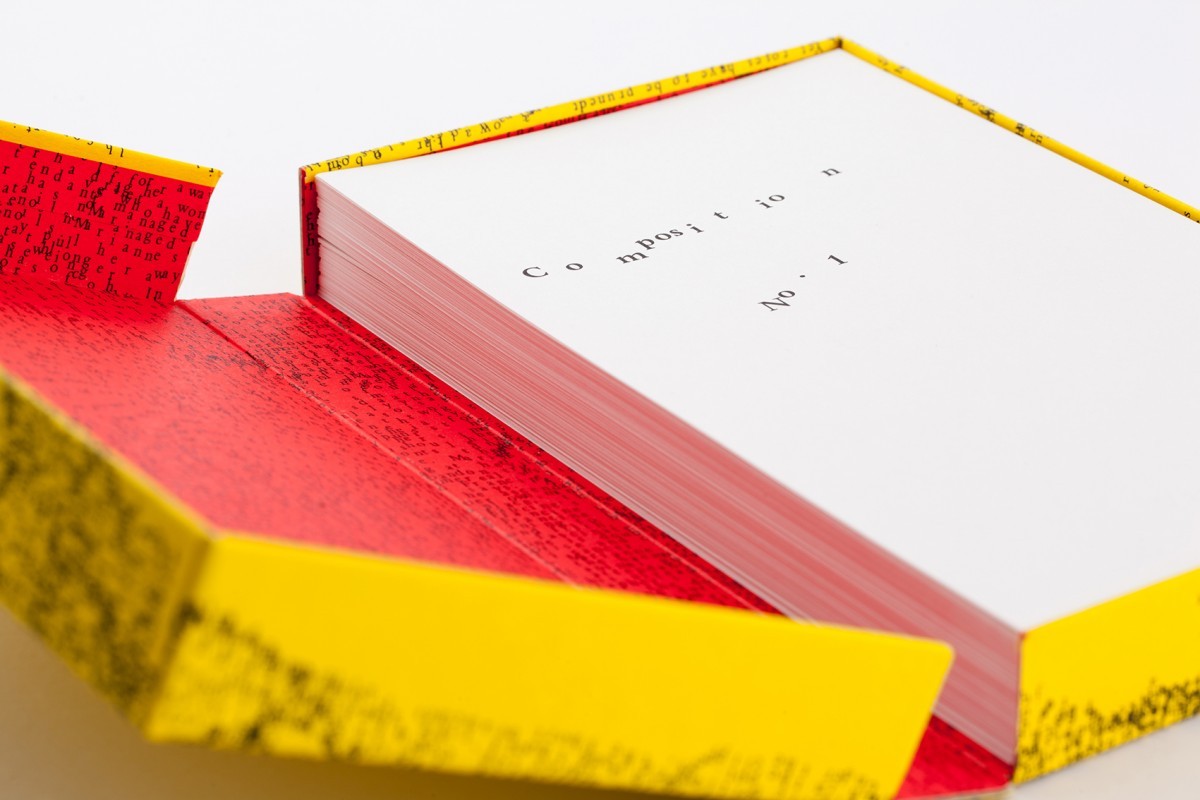
Composition No. 1 – Marc Saporta (1962)
A novel presented over150 loose, unbound pages that readers shuffle like playing cards – allowing each reading to produce a unique narrative sequence. The fragmented story revolves around intertwining relationships, suspense, and drama, and no two readings offer the same emotional resonance. While the shuffled experience is fascinating, readability is more experimental than narrative-driven, so this one is more about rewarding readers interested in structural playfulness.
Collector’s tips
Both the first English edition (1963, Simon & Schuster) and the 2011 Visual Editions facsimile are OOP. Pages in the first edition were held together with a paper band that slightly rephrases the instructions on the inside of the box (the band was not included in the reprint).
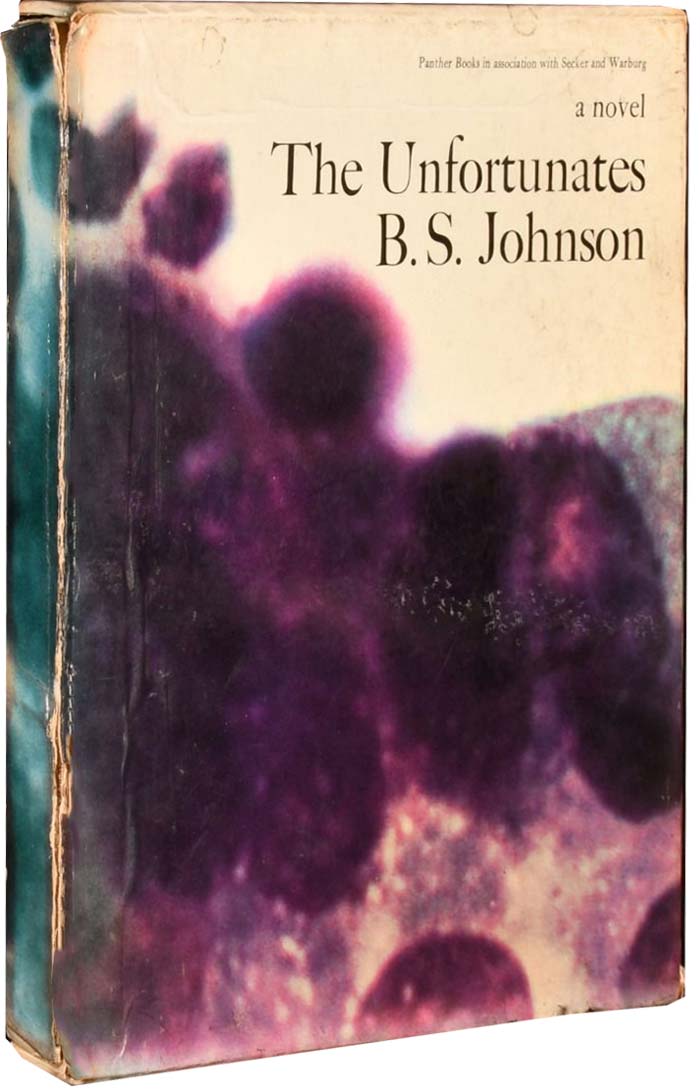
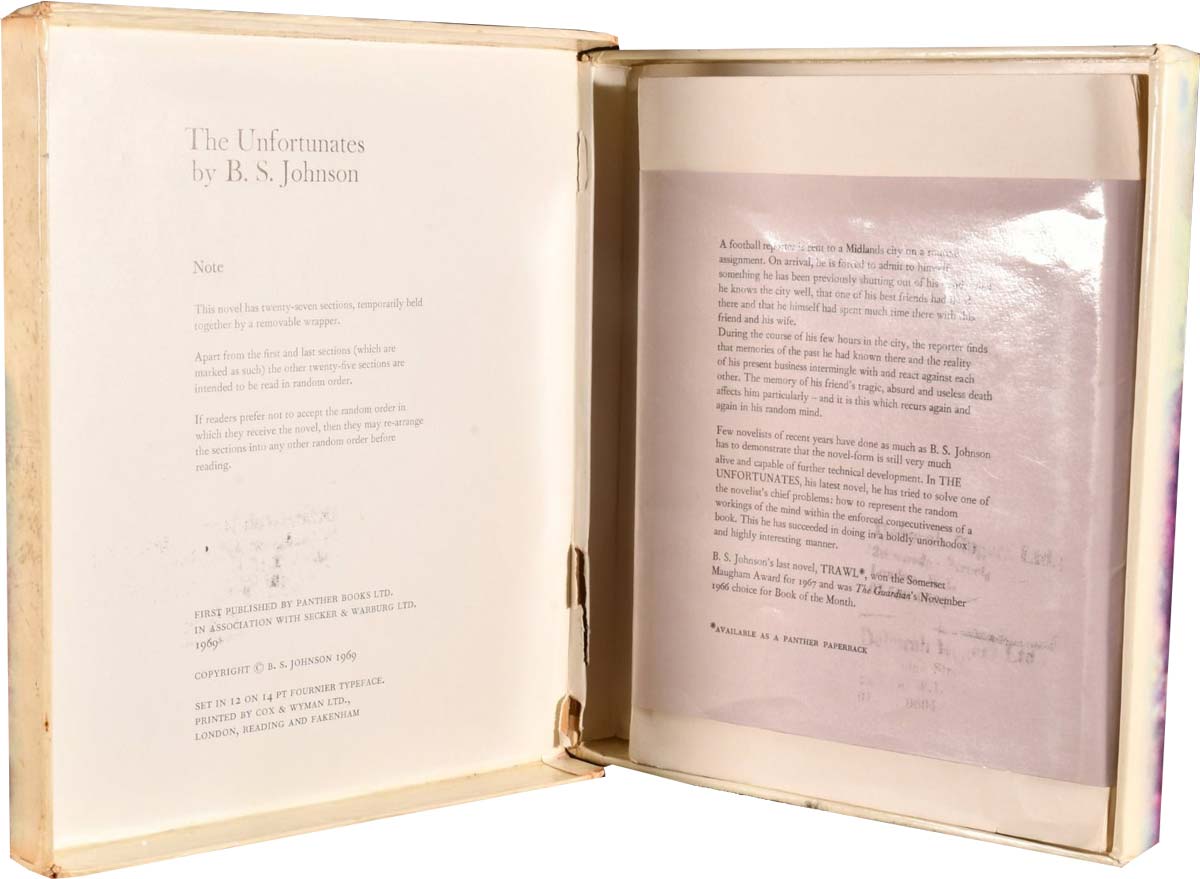
The Unfortunates – B. S. Johnson (1969)
Johnson’s experimental novel arrives as 27 separate sections within a box, with only the first and last chapters fixed in place. The story, a melancholy reflection by a sports reporter confronting memories of a deceased friend, mirrors how human memory itself is fragmented and random. Despite the ergodic structure, its emotional clarity and engaging prose actually remain quite strong throughout, offering a deeply affecting reading experience regardless of the order you choose.
Collector’s tips
The original Panther box is a ’60s icon; there is also a more affordable New Directions’ 2008 reissue (also unfortunately OOP). The unbound pages were originally held together with a paper band featuring a short biography of Johnson – it’s often lost so nice if you can find it.
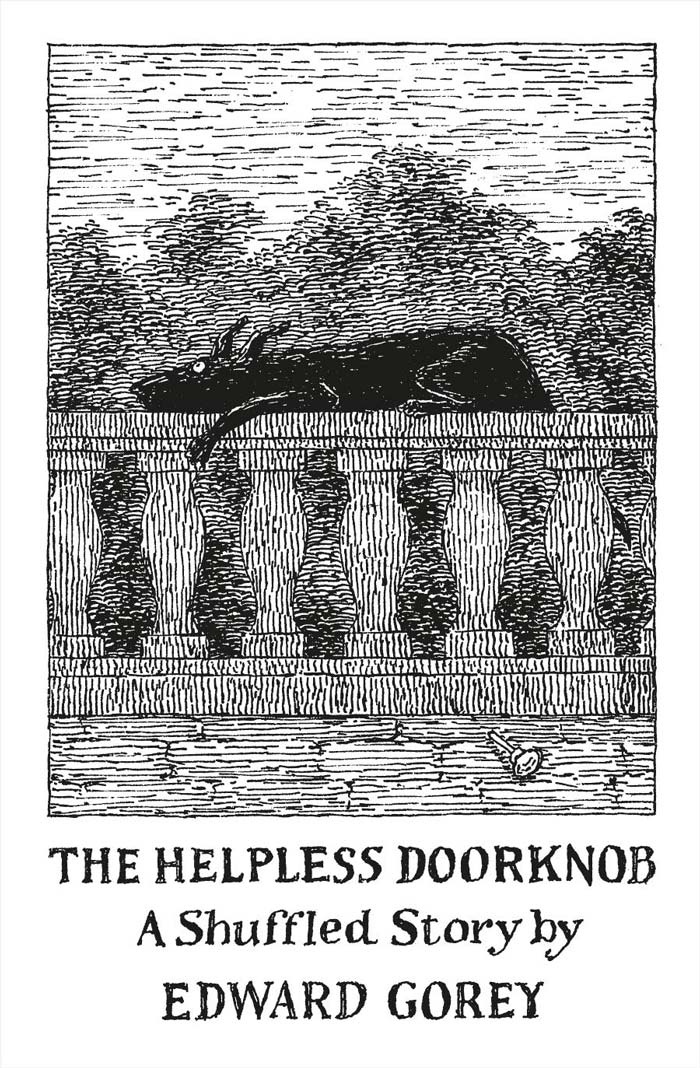
★ The Helpless Doorknob - Edward Gorey
Asmall deck of 20 black-and-white playing-card sized cards to shuffle and build into a story. The images feature Gorey’s usual macabre comedy, and the lines on each card are amusingly complicated to fit into a story.
Pomegranate Communications (2015). 9780764972485.
➤ Find it at Amazon | B&N | Blackwells | Abes | eBay
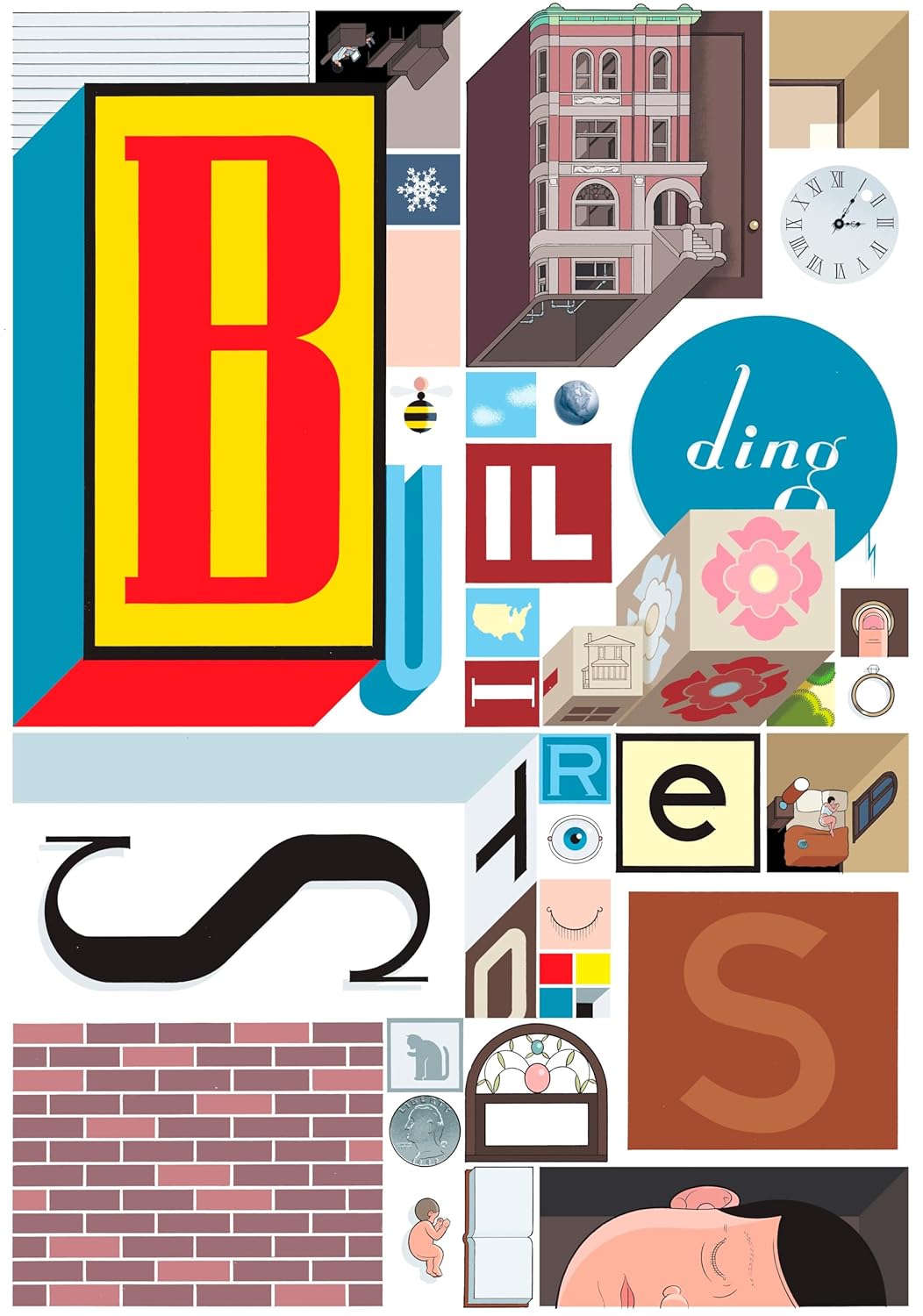
Building Stories – Chris Ware (2012)
Ware’s graphic novel unfolds through 14 different printed formats – comic strips, newspapers, pamphlets – contained within one large box, each revealing a different aspect of in the life of the building protagonists. You are intended to navigate these unnumbered segments freely, piecing together a rich, nonlinear tapestry of ordinary life. It’s visually quite stunning, and absolutely enormous!.
Pantheon (2012). 9780375424335 (US) | Vintage (2012). 9780224078122 (UK).
➤ Find US ed at Amazon | B&N | Blackwells | Abes | eBay
➤ Find UK ed at Amazon | Waterstones | Blackwells | Abes | eBay
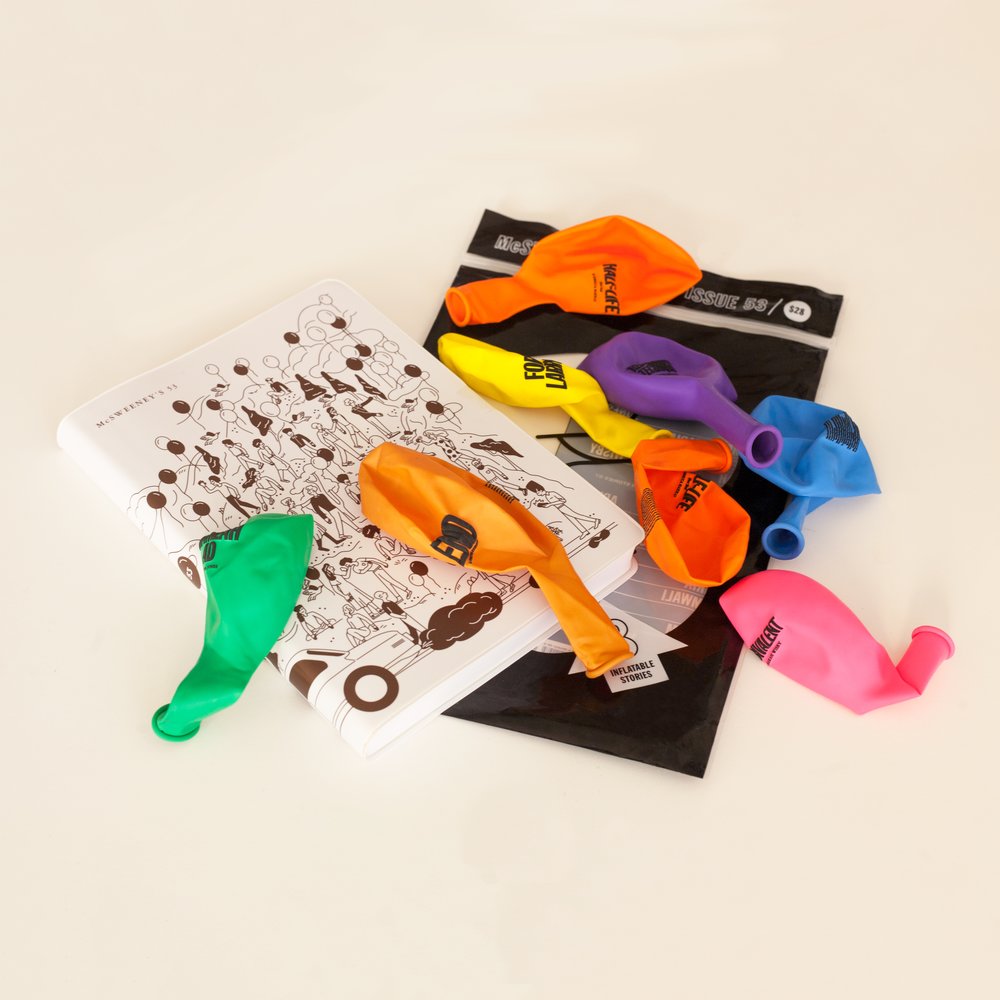
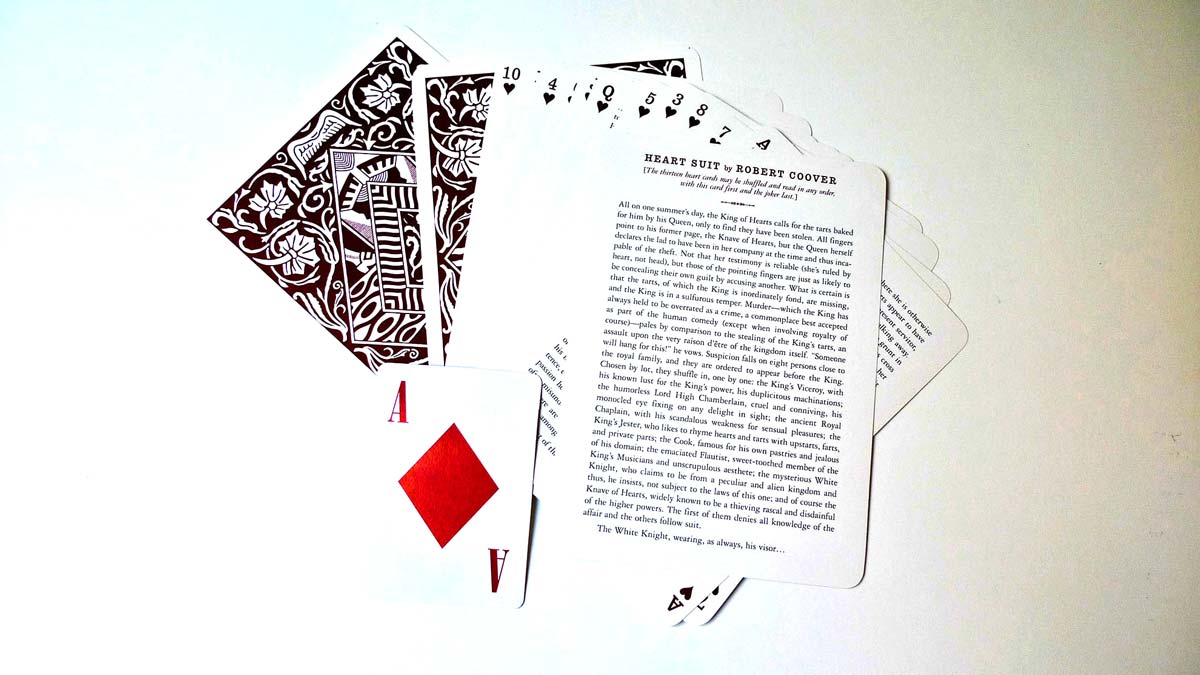
McSweeney's Quarterly Concern - Various Issues Issue #53 (2018)
McSweeney’s Quarterly Concern is a very cool literary journal that regularly experiments with form and content. Some issues are traditional journals. Others behave like card decks, boxes, lunchboxes, art objects, toy cabinets or publishing pranks with ISBNs.
For this guide, I’ve pulled out a couple of particularly interesting issues.
- Issue #16 (2005) – includes Robert Coover’s “Heart Suit,” a story printed on oversized playing cards. The title card comes first, the Joker comes last, and the thirteen heart cards can be shuffled into different orders.
- Issue #53 (2018) – where stories were printed on balloons and had to be inflated to be read. A magnificently silly and fragile reading experience.
- Issue #74 (2024) – the 25th anniversary issue, housed in a deluxe lunchbox and packed with author cards, pencils, an anthology, and an Art Spiegelman portfolio.
Issue #16 (Heart Suit). MacSweeney’s Quarterly Concern (2005). 9781932416152.
➤ OOP. Find it at Amazon | Abes | eBay
Issue #53 (balloons). MacSweeney’s Quarterly Concern (2018). 9781944211585.
➤ Find it at Amazon | B&N | Abes | eBay
Issue #74 (lunchbox). MacSweeney’s Quarterly Concern (2018). 9781952119798.
➤ Find it at McSweeney’s | Amazon | Abes | eBay
Choose A Path
Branching Paths & Reader Choice
For anyone who likes their books to be a game, a mystery, and a story all at once.
Branching-path books make the reader partly responsible for the shape of the story. The most well-known corner of this category is the classic branching-path adventure book. The Choose Your Own Adventure series (starting in the late 1970s) is a prime example – those second-person narratives where you, the reader, make decisions and turn to different pages to see the outcomes. These books inject gameplay into reading, offering multiple endings and the excitement of control. Sometimes the technique is used in a more literary way, as in Hopscotch, where the route through the book changes the experience of the novel itself. Pale Fire is another interesting one, because the reader is constantly deciding how to move between poem, commentary and index – and whether the guide they are following should be trusted at all.
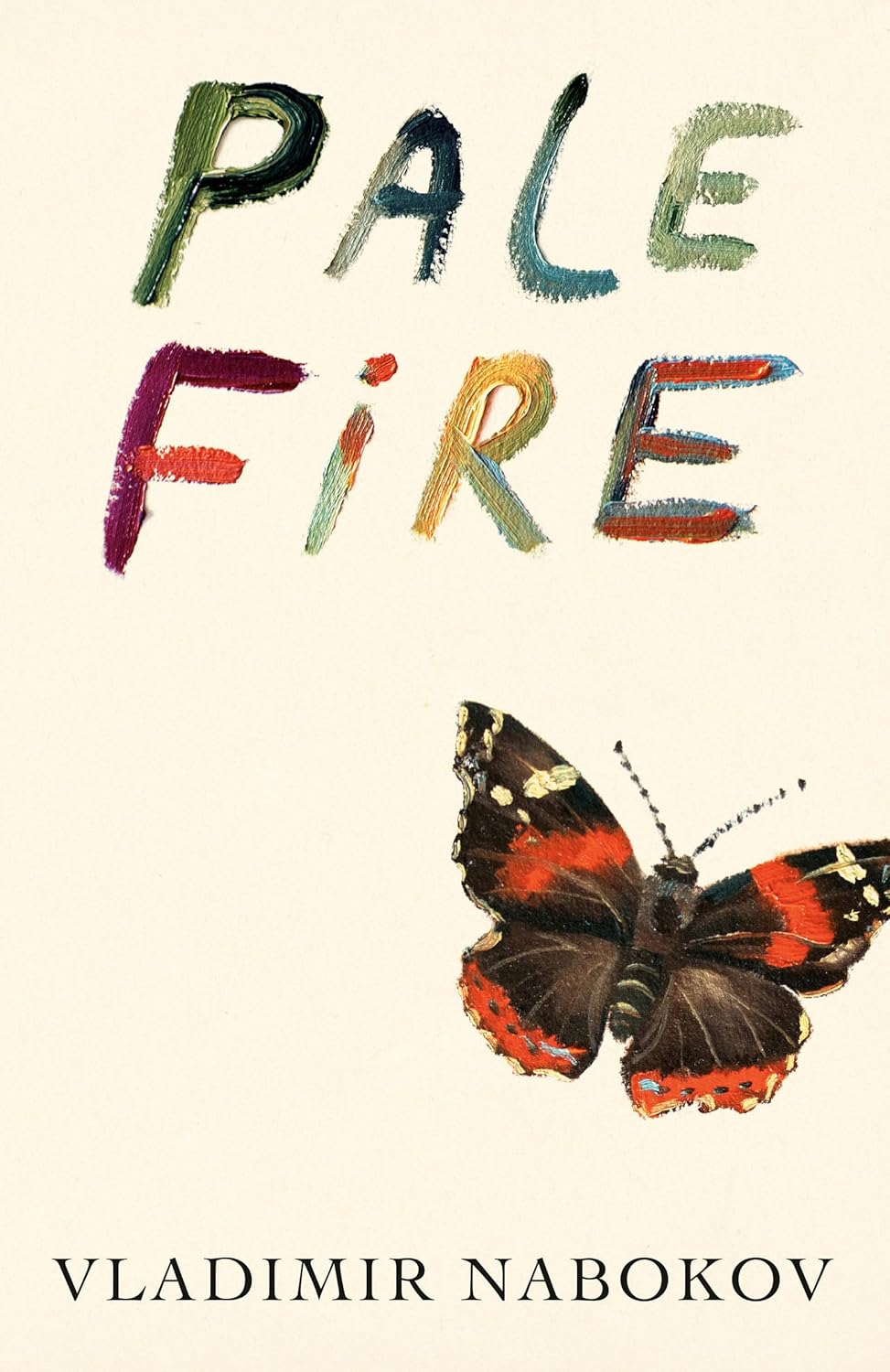
★ Pale Fire – Vladimir Nabokov (1962)
(Yes – this is by that Nabokov of Lolita infamy.) It’s structured as a scholarly edition of a 999-line poem by fictional poet John Shade, but Pale Fire hides its true narrative within the extensive footnotes provided by the unreliable commentator Charles Kinbote. Readers piece together the real story by flipping between poem and commentary. Its readability is surprisingly high; Nabokov’s wit makes the puzzle engaging rather than burdensome.
US: Vintage International (Vintage, 1989), 320 pp, ISBN 9780679723424. UK: Penguin, 2016, 9780141185262.
➤ Find US edition at Amazon | B&N | Blackwells | Abes | eBay | Target
➤ Find UK edition at Amazon | Waterstones | Blackwells | Abes | eBay
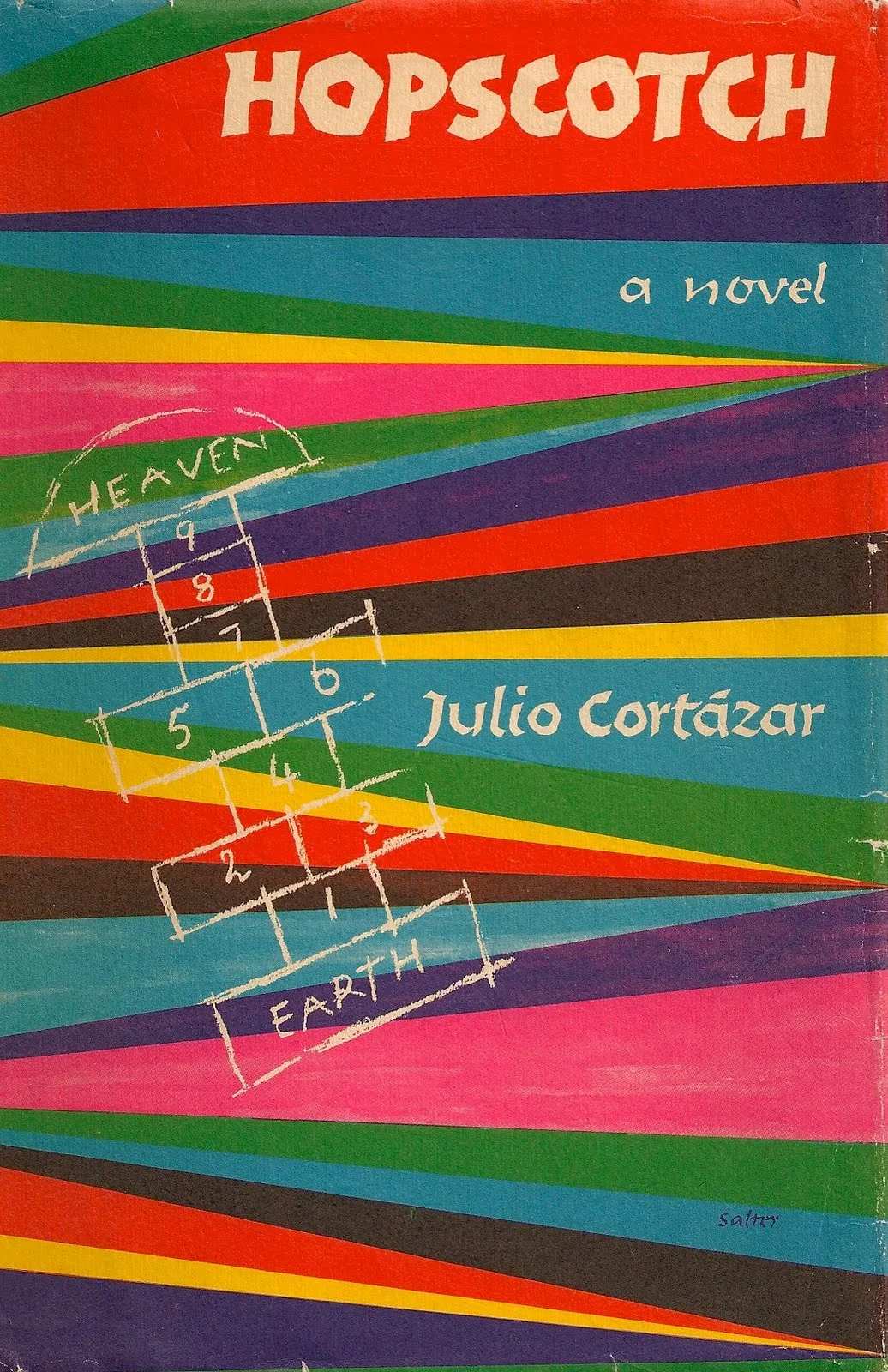
★ Hopscotch – Julio Cortázar (1963)
Cortázar’s novel offers two reading paths: straight-through or an alternative, nonlinear sequence through 155 chapters provided by the author’s “Table of Instructions.” The story revolves around bohemian intellectuals navigating Paris and Buenos Aires, with existential reflections on life and love. Its unconventional structure is playful, and Cortázar’s storytelling is engaging enough to reward readers willing to explore both paths.
Collector’s tips
True firsts are Spanish‑language editions.
US: Pantheon Modern Writers (Doublday, 1987), paperback, 9780394752846 | UK: Vintage Classics (Vintage, 2020), paperback, 576 pp, ISBN 9781784875862. Translated by Gregory Rabassa.
➤ Find US ed at Amazon | B&N | Blackwells | Abes | eBay
➤ Find UK ed at Amazon | Waterstones | Blackwells | Abes | eBay
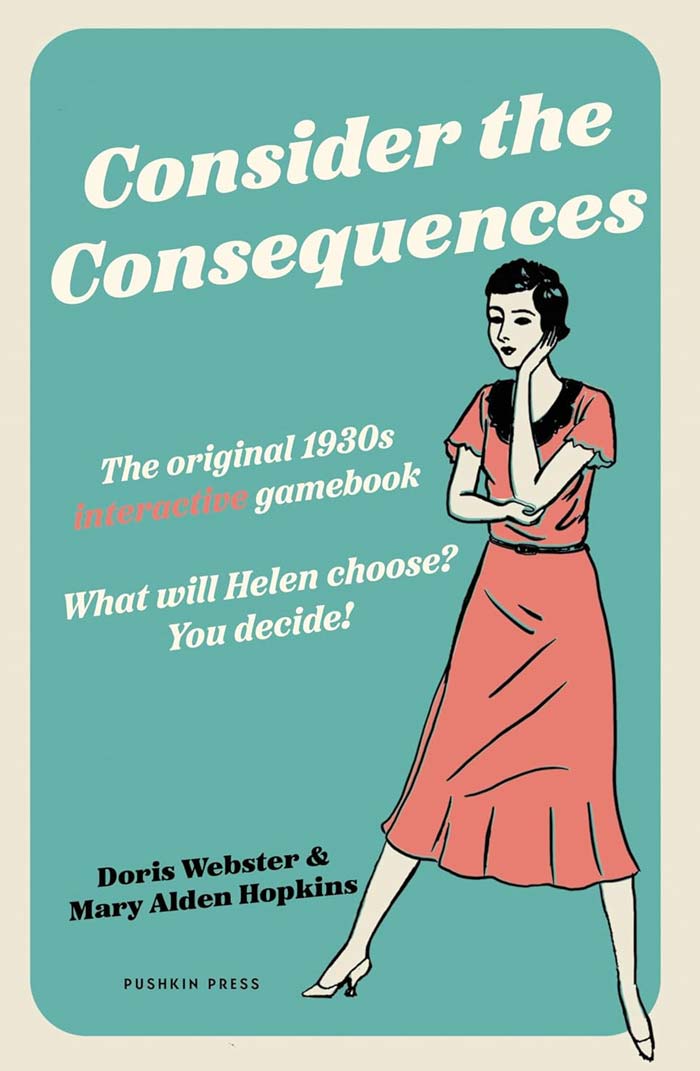
★ Consider the Consequences! – Doris Webster & Mary Alden Hopkins
Usually cited as the earliest printed choice-based novel, this 1930 romance lets the reader make decisions that determine the characters’ romantic outcomes. It is charmingly dated, but readable as a social curiosity and an interesting prototype of interactive fiction.
Pushkin Press (2025). 9781805332626. (Originally published by Century Co, 1930.)
➤ Find it at Amazon | B&N | Waterstones | Blackwells | Abes | eBay
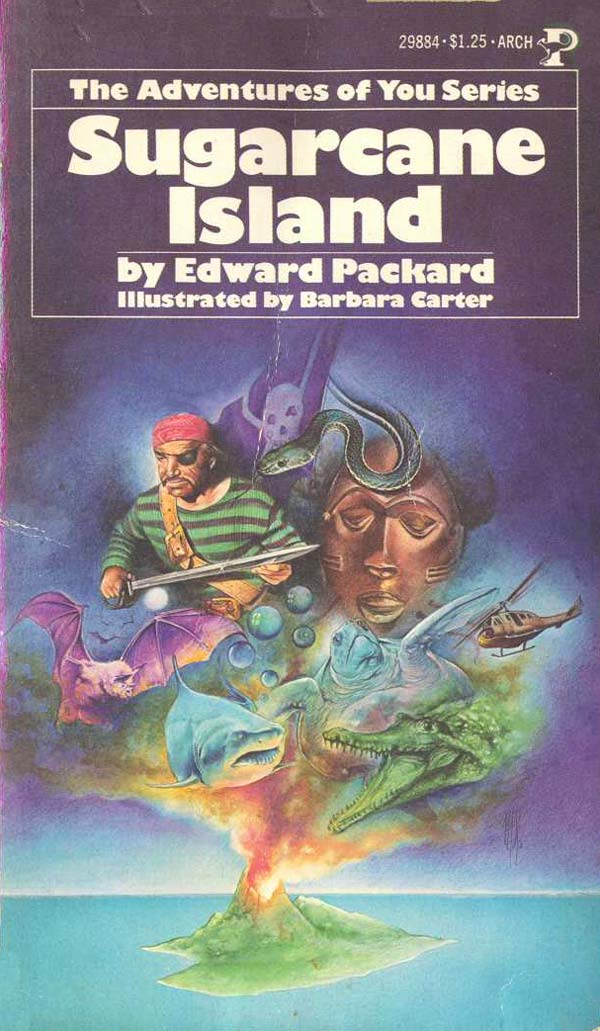
Sugarcane Island — Edward Packard
Packard’s island-survival adventure is a key part of the prehistory of Choose Your Own Adventure books. Originally written in 1969, it was first printed in 1976 by Vermont Crossroads Press as part of The Adventures of You series. It was reprinted in 1978 by Archway, in 1982 in the Which Way series, and evenually in 1986, the book was revised and expanded and published as Choose Your Own Adventure #62.
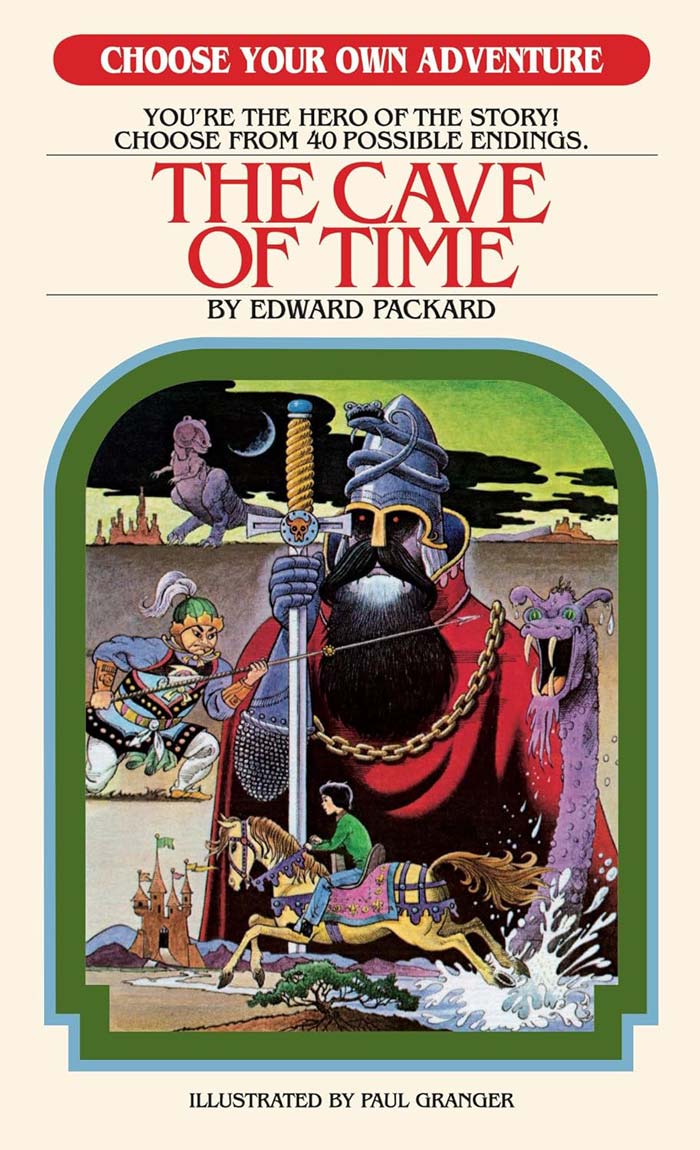
★ Choose‑Your‑Own‑Adventure (The Cave of Time)
Choose Your Own Adventure (or, affectionately known by collectors as CYOA) books are the iconic interactive titles that allow readers to control the story, choosing paths leading to multiple endings. The first official title was The Cave of Time by Edward Packard (with b&w illustrations by Paul Granger), which sends the reader into a mysterious cave where each decision branches into different times, places, dangers, and endings.
Collector’s tips
Vintage Bantam copies are nostalgic and usually pretty easy to find (although also usually pretty well-read). Chooseco has also issued retro editions for modern readers.
Chooseco (2025 retro edition). 9781933390796.
➤ Find it at Amazon | B&N | Waterstones | Blackwells | Abes | eBay
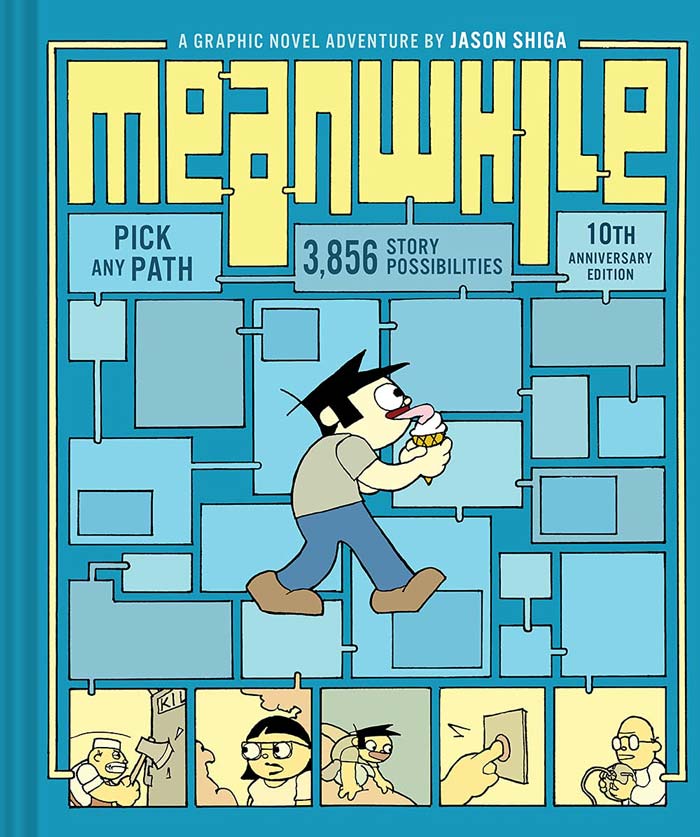
★ Meanwhile — Jason Shiga (2010)
A choose-your-own-adventure graphic novel with the soul of a flowchart and the manners of a mad scientist. The story opens begins with a perfectly reasonable choice about ice cream, then expands into time machines, mind readers, doomsday devices and a ludicrous number of possible paths. The design sends you along coloured tubes and tabs that loop, cross, and double back, with page tabs to help you move – it’s really very clever.
Abrams / Amulet Books paperback. 9780810984233
➤ Find it at Amazon | B&N | Waterstones | Blackwells | Abes | eBay
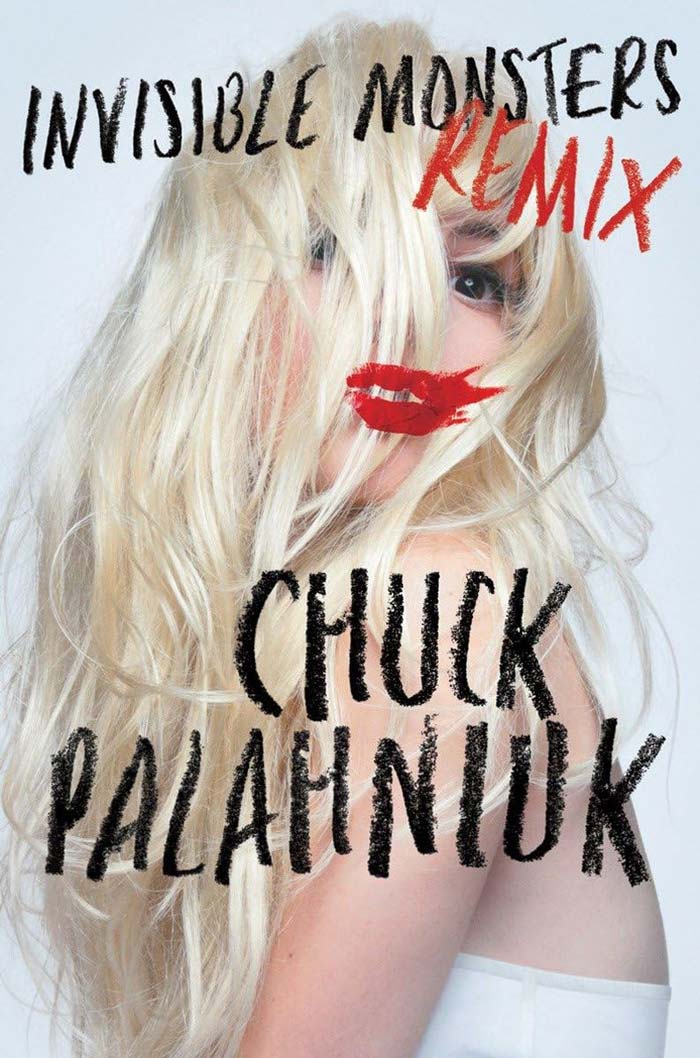
Invisible Monsters Remix - Chuck Palahniuk (2012)
Palahniuk’s “director’s cut” of Invisible Monsters restores the novel to its originally intended fractured form: a savage, glamorous, body-horror satire about a disfigured fashion model. The Remix edition scrambles the chapter order, adds new material and design elements, and instructs the reader where to jump next, turning the book into a deliberately disorienting reading experience. (Readability depends on your tolerance for Palahniuk’s shock-comic style rather than any concerns with its ergodic nature!)
Collector’s tips
The 2012 hardback is more ergodic than the paperback because the “remix” concept makes the physical act of navigating the book part of the novel’s unstable, identity-shifting structure.
W. W. Norton, 2012. Hardcover, ISBN 9780393083521.
➤ Find it at Amazon | Waterstones | Blackwells | Abes | eBay
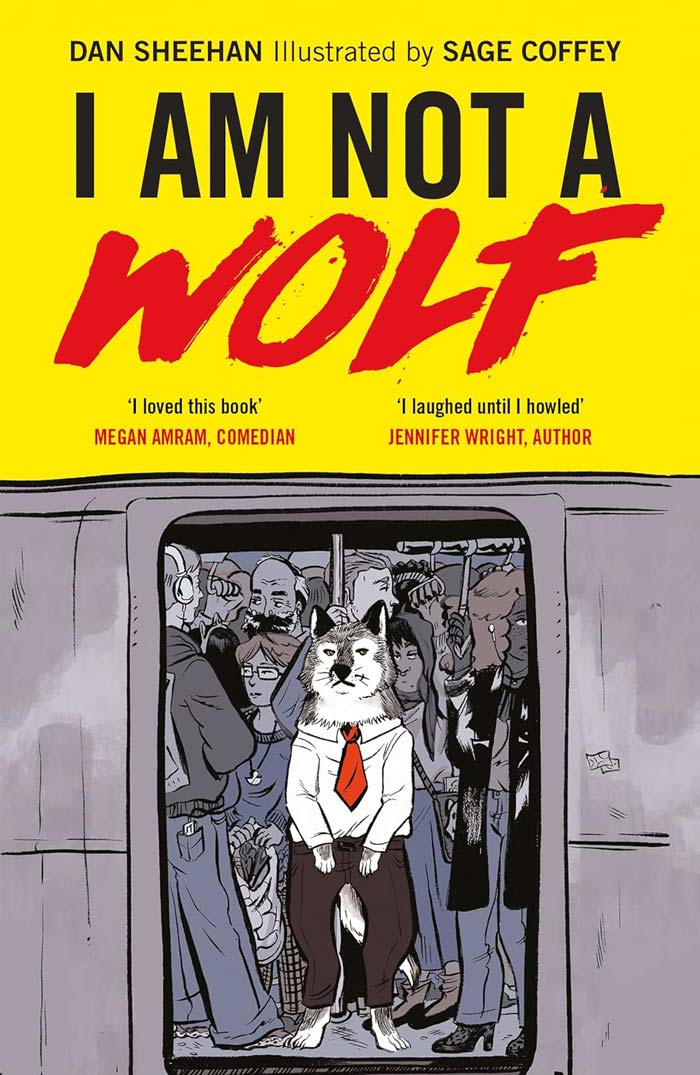
★ I Am Not a Wolf — Dan Sheehan, illustrated by Sage Coffey
A comic adult branching-path book in which the reader navigates life as a totally normal person who is definitely not a wolf. The ergodic element is classic CYOA-style decision-making, but the jokes explore identity, social performance, and the absurdity of life.
Andrews McMeel (2021). 9781524867249.
➤ Find it at Amazon | B&N | Blackwells | Abes | eBay
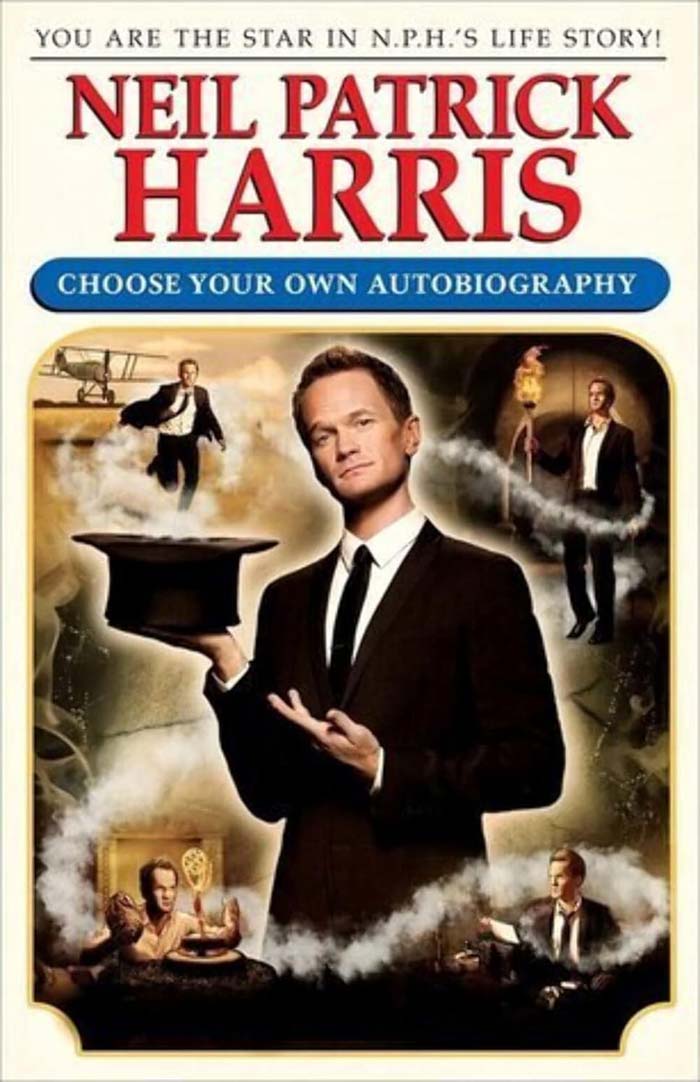
★ Choose Your Own Autobiography — Neil Patrick Harris
Summary
Collector’s tips
I prefer the OOP hardback, mainly because it’s designed to look like a CYOA which I think the paperback cover misses.
PB: Crown (2015). 9780385347013.
➤ Find it at Amazon | B&N | Waterstones | Blackwells | Abes | eBay
HC: Crown (2014). 9780385346993.
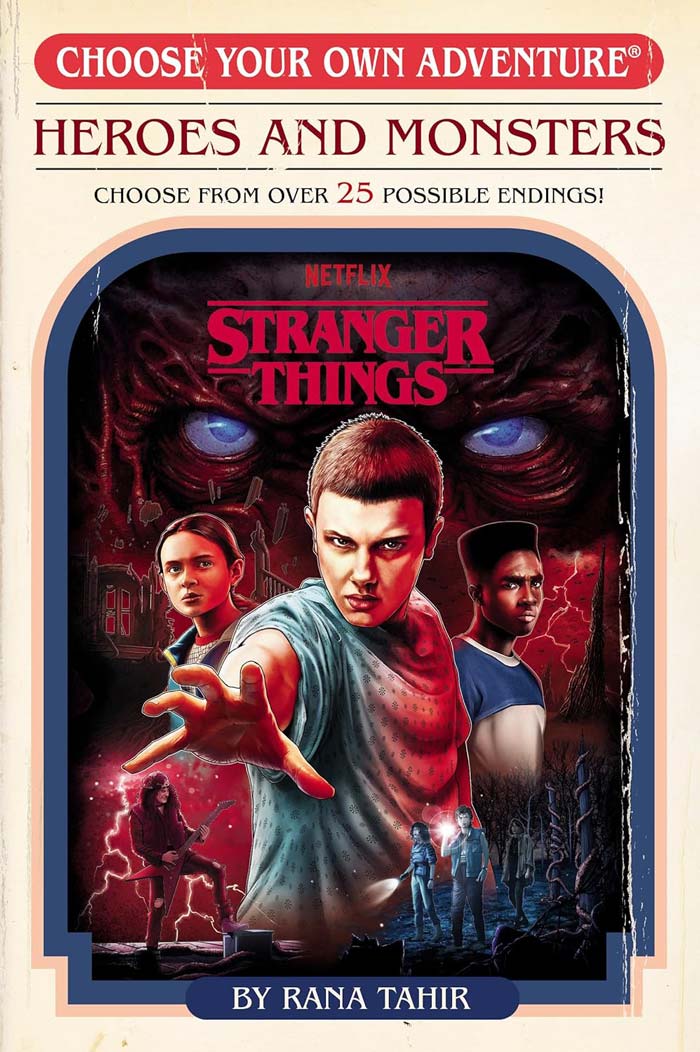
Stranger Things: Heroes and Monsters - Rana Tahir
A recently licensed Choose Your Own Adventure set in the world of Stranger Things, if you’re keen on pop culture! The reader decides which path to take through Hawkins, Pennhurst Asylum, the Creel house, and possibly the Upside Down to follow. (It’s even artificially battered to look like a relic from the ’80s!)
Random House (2023). 9780593644744 (US) | Penguin (2025). 9780241786321 (UK).
➤ Find US ed at Amazon | B&N | Blackwells | Abes | eBay
➤ Find UK ed at Amazon | Waterstones | Blackwells | Abes | eBay
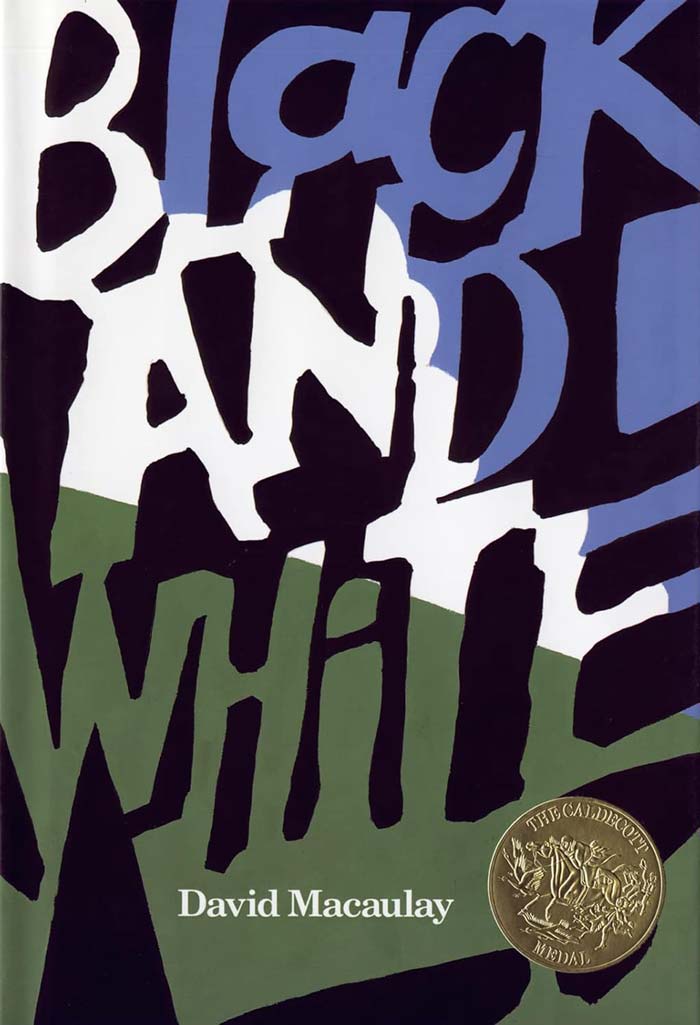
★ Black and White — David Macaulay (1990)
A children’s picture book in which four stories are told simultaneously, with each double-page spread divided into quadrants.
Houghton Mifflin (1990). Hardcover, 9780395521519.
➤ Find it at Amazon | B&N | Blackwells | Abes | eBay
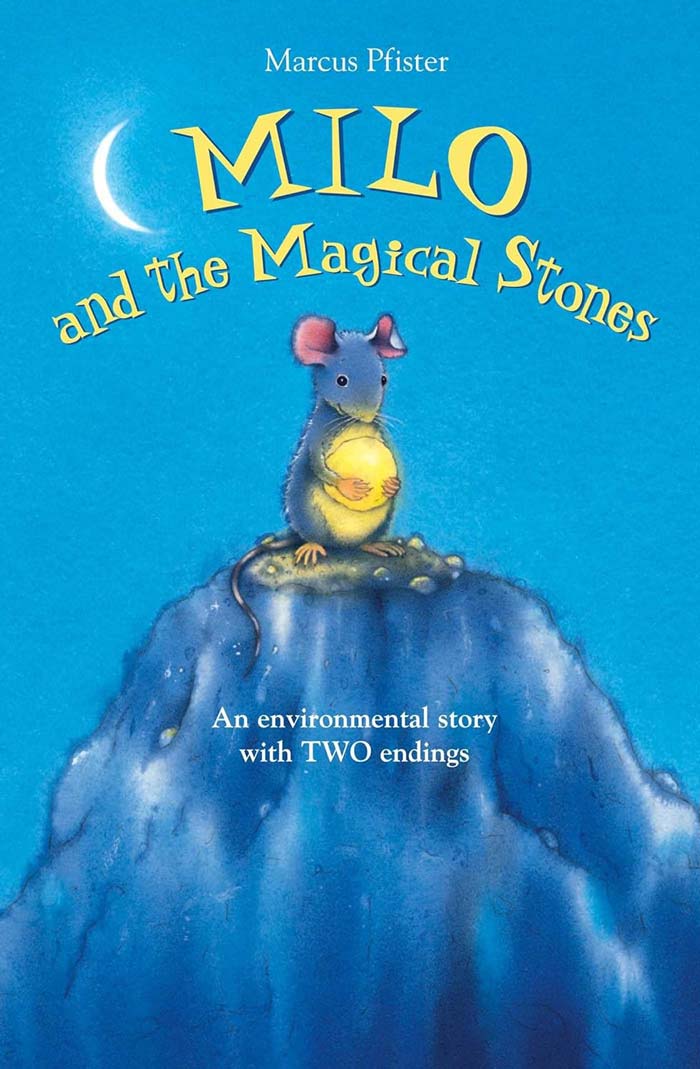
★ Milo and the Magical Stones - Marcus Pfister (2010)
On a small island in the middle of the sea, a mouse named Milo discovers a magical stone that gives both light and warmth. The end of the book splits in two, allowing readers to choose a happy or a sad ending.
NorthSouth Books (2010). 9780735822535.
➤ Find it at Amazon | B&N | Blackwells | Abes | eBay
Do You Want to Play A Game?
Gamebooks, Dice & Rules (Aleatory Literature)
When Branching-path books ask, “What do you choose?”, Gamebooks reply, “Lovely. Now roll for it.”
These books turn branching-book reading into something closer to a role-playing game. Books like those in the Fighting Fantasy series don’t just send you to different pages; they add rules, stats, maps, inventories, combat, chance and consequence. They sit right on the border between book and game.
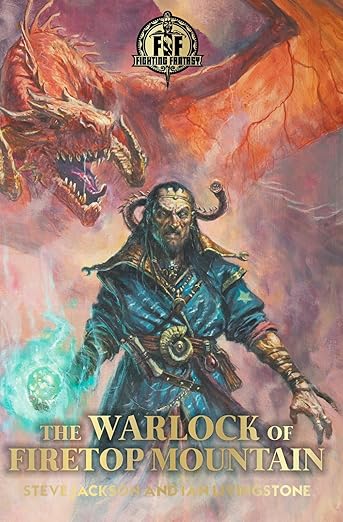
★ Fighting Fantasy (The Warlock of Firetop Mountain 1980s–)
Interactive books that allow readers to control the story, choosing paths leading to multiple endings. Their ergodic quality comes from frequent page-turning and decision-making, creating a game-like experience. Extremely readable and accessible, they’re fun for readers seeking active participation rather than passive storytelling, with dice‑rolling and branching page jumps.
Collector’s tips
You can usually find cheap copies of these pretty easily, although they’re often well read. Early Puffin Fighting Fantasy paperbacks with green spine numbers typically fetch the highest prices. They occasionally put out special editions for nostalgia value, like the collector’s edition of 2025 which is limited to 2000 copies and features a coloured map.
Reissue: Scholastic (2017). 9781407181301.
➤ Find it at Amazon | Waterstones | Blackwells | Abes | eBay
Collector’s Edition: Scholastic (2025). 9780702344404.
➤ Find it at Amazon | Waterstones | Blackwells
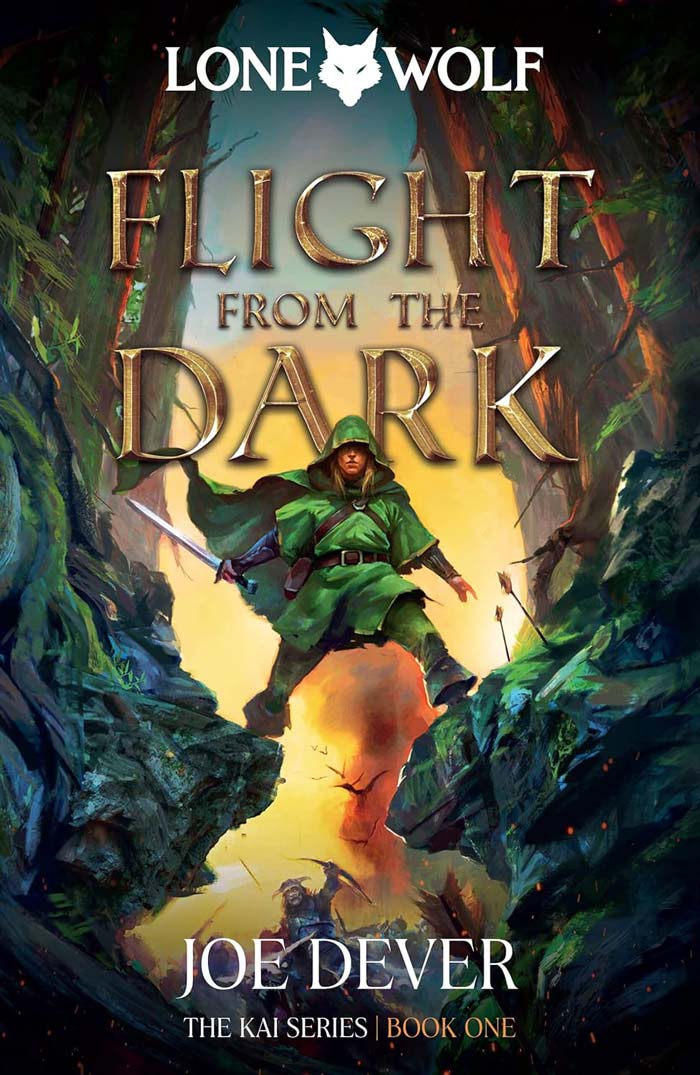
Lone Wolf: Flight from the Dark — Joe Dever
The first Lone Wolf book combines branching narrative, character progression, inventory, combat, and a continuing campaign across multiple volumes. The reader becomes Lone Wolf, the last of the Kai Lords, escaping destruction and carrying the story forward through choices and game mechanics.
b; Holmgard Press (2022). 9781915586001.
➤ Find it at Amazon | B&N | Waterstones | Blackwells | Abes | eBay
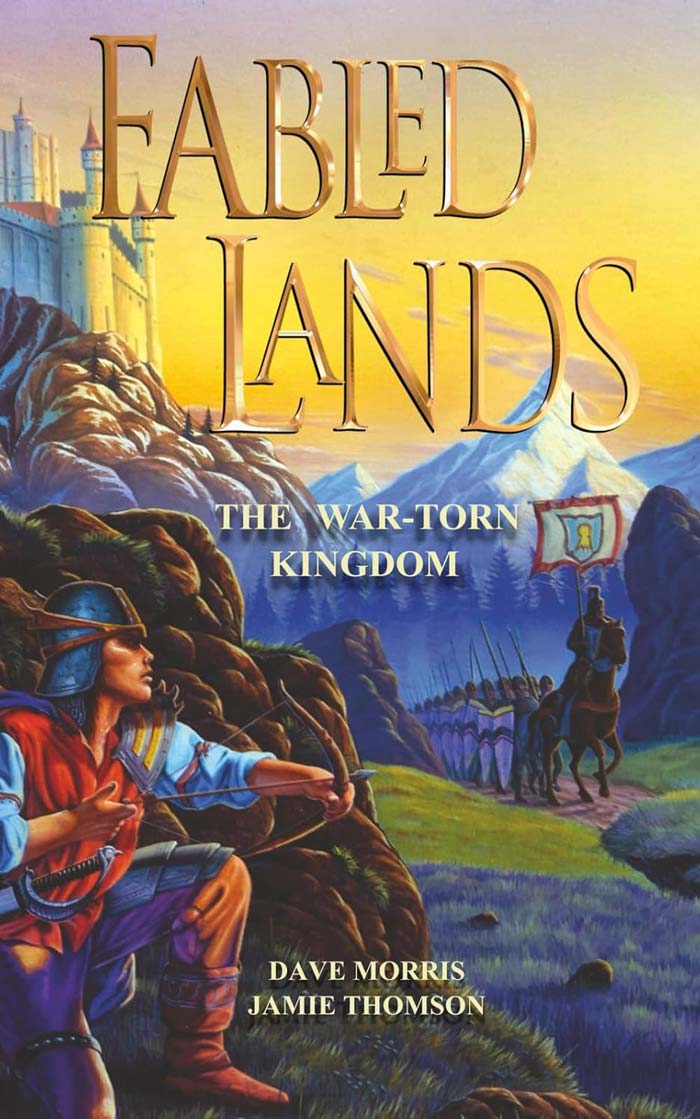
Fabled Lands: The War-Torn Kingdom — Dave Morris & Jamie Thomson
The Fabled Lands books turn the gamebook into an open-world sandbox. Instead of a single linear quest, the reader travels between regions, gathers possessions, takes missions, and moves across linked books. It is very playable, albeit more exploratory than literary, and a strong example of ergodic reading as navigation through a system.
Fabled Lands (2010). 9780956737205. (Original Pan edition 1995.)
➤ Find it at Amazon | B&N | Waterstones | Blackwells | Abes | eBay
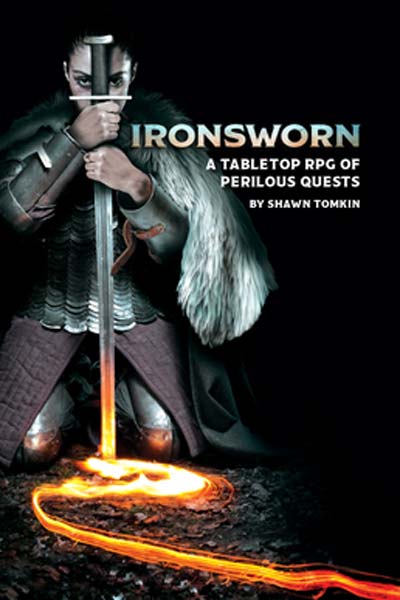
Ironsworn — Shawn Tomkin
This is a solo/co-op tabletop RPG rulebook rather than a novel, but I’ve added it to show the outer edge of the gamebook genre because it turns reading into procedural storytelling. The player uses vows, moves, oracle tables, and prompts to generate a narrative through play.
Tomkin Press, 2018.
➤ Find it at Tomkin Press
Decode it
Typography, Codes & Visual Text
Books that use typography to turn the printed page into topographry.
Sometimes, the page itself becomes part of the story: books that dazzle the eye with inventive layouts, fonts, and even physically carved pages. In these works, how the text looks is as important as what it says. Words might zigzag, form pictures, or hide in maze-like footnotes. Some pages may have windows or holes cut through them, creating a peek-a-boo effect as you read. The result is a reading experience that’s also a visual art exhibit. Authors and artists have long toyed with typography – think of early 20th-century poets who scattered words into shapes – but modern literary showpieces take it to another level. Alfred Bester’s telepathic typography, Patrick Ness’s noise, Rian Hughes’s design systems, and Jonathan Safran Foer’s carved-away Tree of Codes all treat the typography on the as an active part of the reading experience. These books are especially satisfying for readers who are equal parts bibliophile and art aficionado.
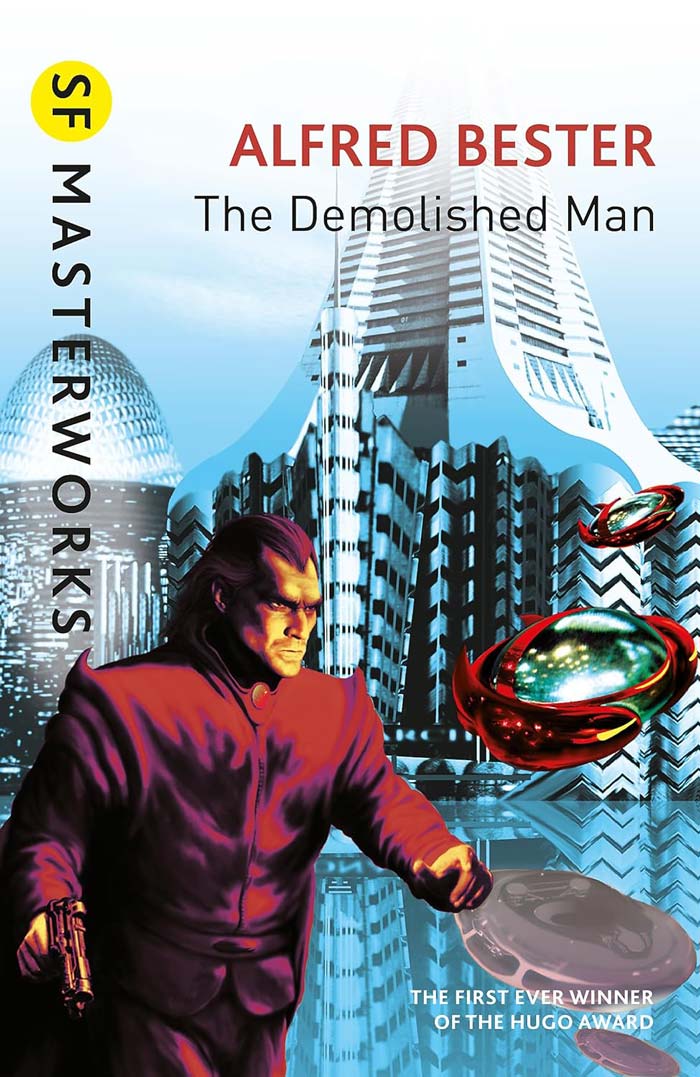
★ The Demolished Man — Alfred Bester (1953)
Bester’s telepathic murder mystery uses typographic play to represent thought, psychic communication, advertising, and fragmented mental experience. The plot is a fast, readable science-fiction noir about a man trying to commit murder in a society where telepaths can detect criminal intent.
SF Masterworks: Gollancz (1999). ISBN 9781857988222. (Original: Shasta, 1953.)
➤ Find it at Amazon | Waterstones | Blackwells | Abes | eBay
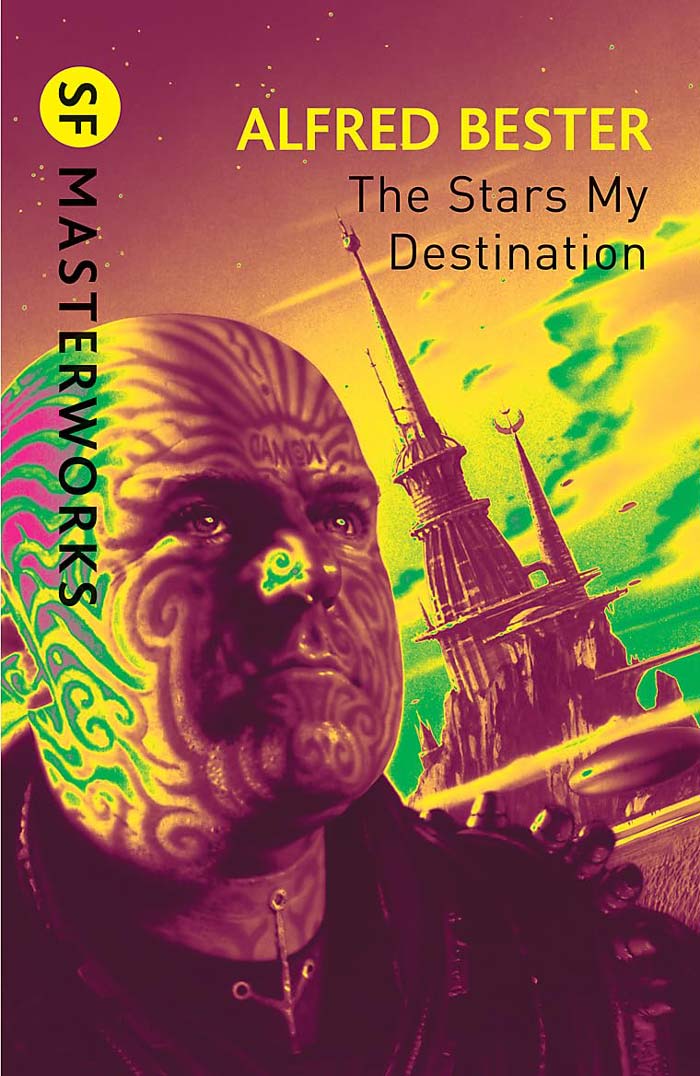
★ The Stars My Destination / Tiger! Tiger! — Alfred Bester
Bester’s revenge-driven space opera is famous for pages that use typography to depict synaesthesia, altered perception, and mental overload. It is also one of the rare experimental genre books that remains a page-turner. US copies use The Stars My Destination; UK editions often use Tiger! Tiger! .
Collector’s tips
Not all the editions do a great job of representing the typography (side-eyes some independent publishers) so check that you’re happy with how they’ve done it (there’s a section that usually appears somewehere between 220-280 depending on the editions that is a quick test).
SF Masterworks: Gollancz (2010). 9780575094192.
➤ Find it at Amazon | Waterstones | Blackwells | Abes | eBay
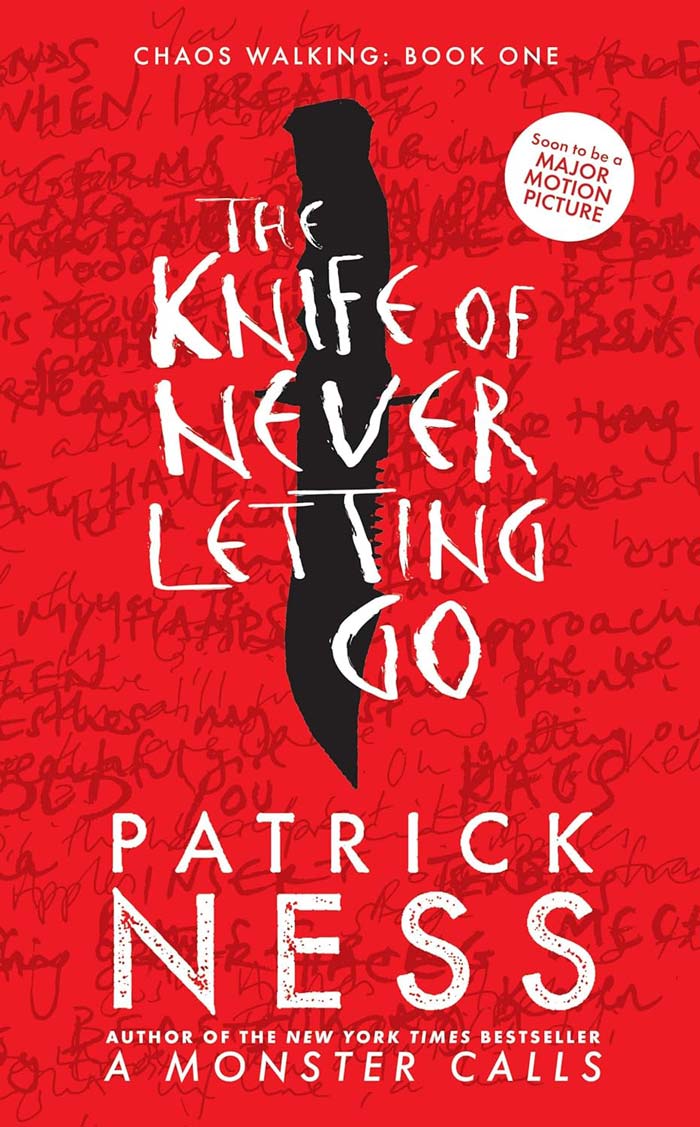
★ Chaos Walking: The Knife of Never Letting Go — Patrick Ness
The Chaos Walking novels use typography to represent “Noise,” the chaotic stream of thoughts broadcast by men and animals on the planet New World. The plot is a tense YA chase story, and the visual noise on the page really helps the reader feel the pressure and intrusion of other minds.
Collector’s tips
The first printing hardbacks have cool acetate covers with “noise” printed on them.
PB: Candlewick, 2014. 9780763676186 US, sprayed page edges) | Walker Books, 2018. 9781406379167 (UK).
➤ Find US ed at Amazon | B&N | Blackwells | Abes | eBay
➤ Find UK ed at Amazon | Waterstones | Blackwells | Abes | eBay
First edition with acetate covers. Walker Books (2008). 9781406310252.
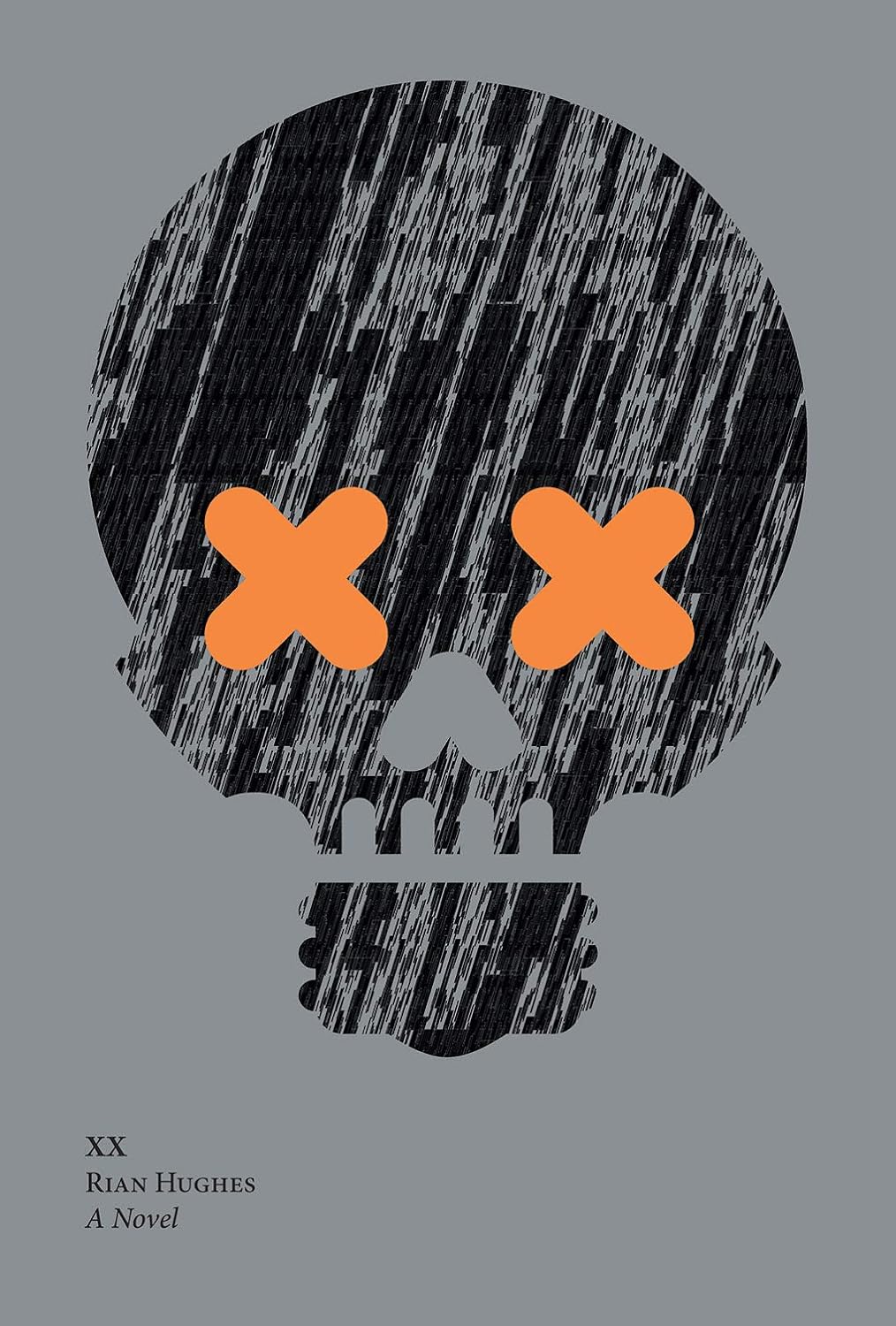
★ XX – Rian Hughes (2020)
A sprawling sci-fi epic (900 plus pages) told through dazzling typographic designs, including ASCII art, mock websites, and alien scripts. Its plot – a mysterious signal from space that profoundly affects humanity – is amplified by inventive typography reflecting media and digital information overload.
PB: Overlook Press (2022). 9781419750700 (US) | HB: Picador (2020). 9781529020571 (UK).
➤ Find US edition printing at Amazon | Blackwells | Abes | eBay
➤ Find UK edition at Amazon | Waterstones | Blackwells | Abes | eBay
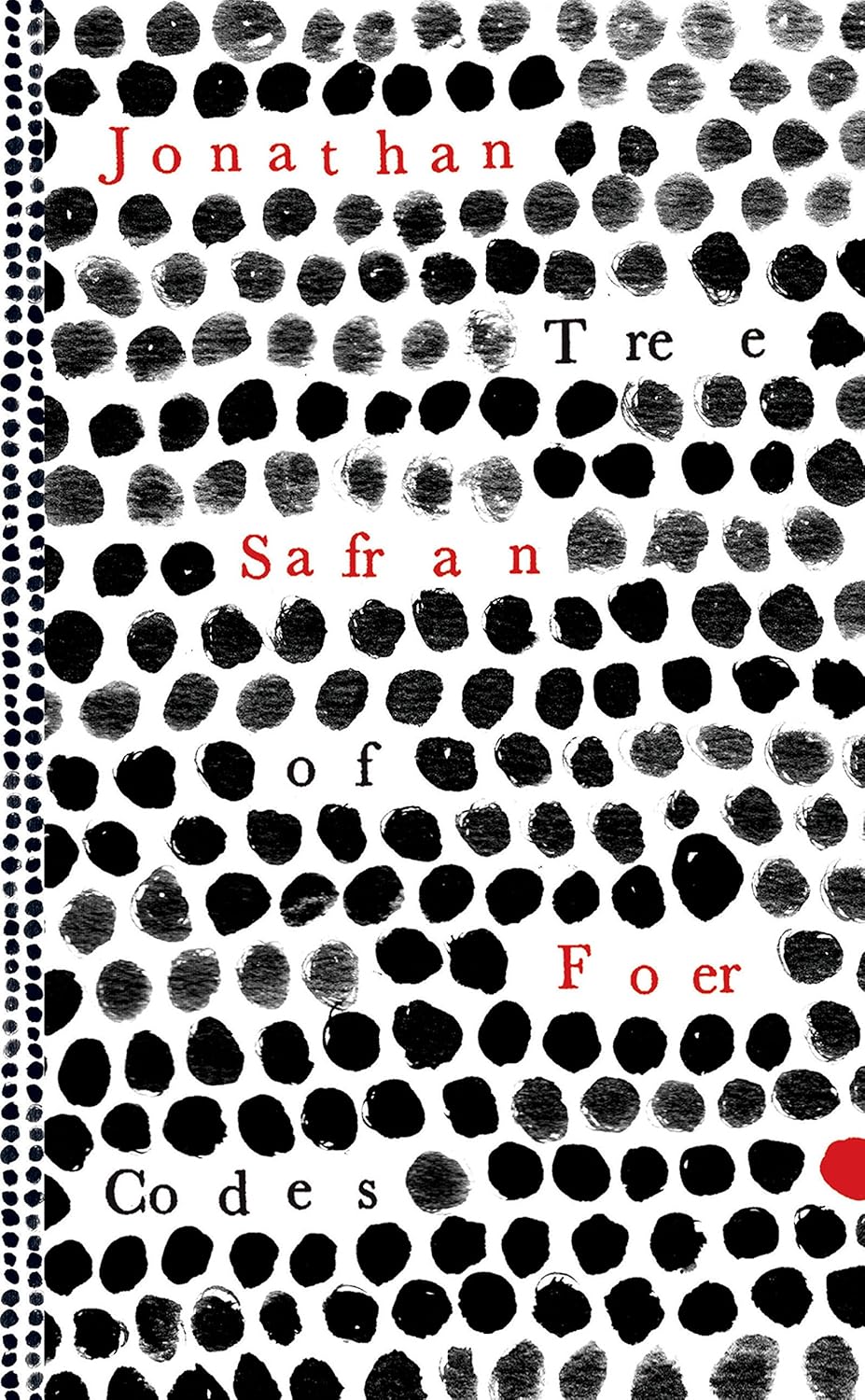
Tree of Codes – Jonathan Safran Foer (2010)
Foer’s inventive novel is created by physically removing words from another text (The Street of Crocodiles by the Polish author Bruno Schulz, 2933), leaving behind delicate, die-cut pages through which readers glimpse fragments of story and poetry. The physical manipulation of the narrative makes it super delicate, and hard to read (suited best for readers who are looking to enjoy artistic/literary experimentation).
Investigations
Faux Archives & Found Documents
These are the books that lie about being books.
Faux archives and found-document novels pretend to be assembled from evidence: tests, reports, files, transcripts, catalogues, letters, marginalia, redacted documents, hacked records, or objects someone else has supposedly preserved. Multiple Choice turns an exam into a literary form. Illuminae builds a story from files and transcripts. Important Artifacts manages to tell a story about a relationship through an auction catalogue of the couple’s belongings! The reader’s work here is investigative rather than simply linear. You are not just asking what happened – you are actively questioning who arranged the evidence, what has been left out, and how much of this “document” can be trusted.
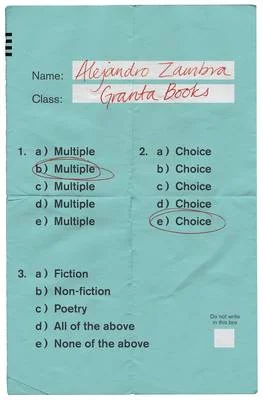
★ Multiple Choice – Alejandro Zambra (2014)
Written in the format of a standardized Chilean aptitude test, Zambra’s novel asks readers to engage with multiple-choice questions, using inference to uncover hidden emotional narratives. Its format cleverly critiques authoritarian education systems. It’s surprisingly readable and emotional despite the weird structure.
Penguin (paperback, 2016), 9780143109198 / Granta (hardback, 2016), 9781783782697.
➤ Find paperback at Amazon | B&N | Waterstones | Abes | eBay
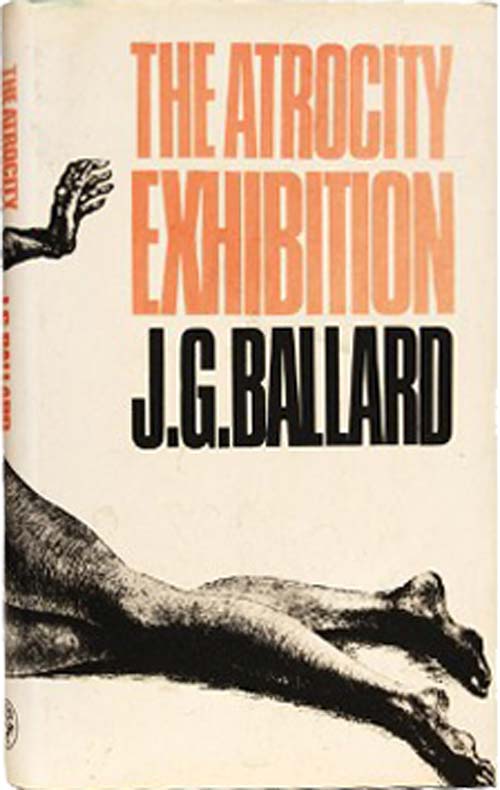
The Atrocity Exhibition – J. G. Ballard (1970)
Presented as a series of fragmented “condensed novels,” Ballard’s surreal exploration of modern media and violence uses medical reports and collaged narratives. Its nonlinear, collage-like structure is provocative and intellectually fascinating, I personally found its abstract form made it not all that readable.
Collector’s tips
Doubleday pulp‑canceled the first US print run due to defamation fears. Surviving review copies of the destroyed US edition are highly collectable. It wasn’t publicly released in America until 1974, where it was retitled Love and Napalm: Export USA.
Flamingo / HarperCollins (2001). 9780007116867.
➤ Find it at Amazon | B&N | Waterstones | Blackwells | Abes | eBay
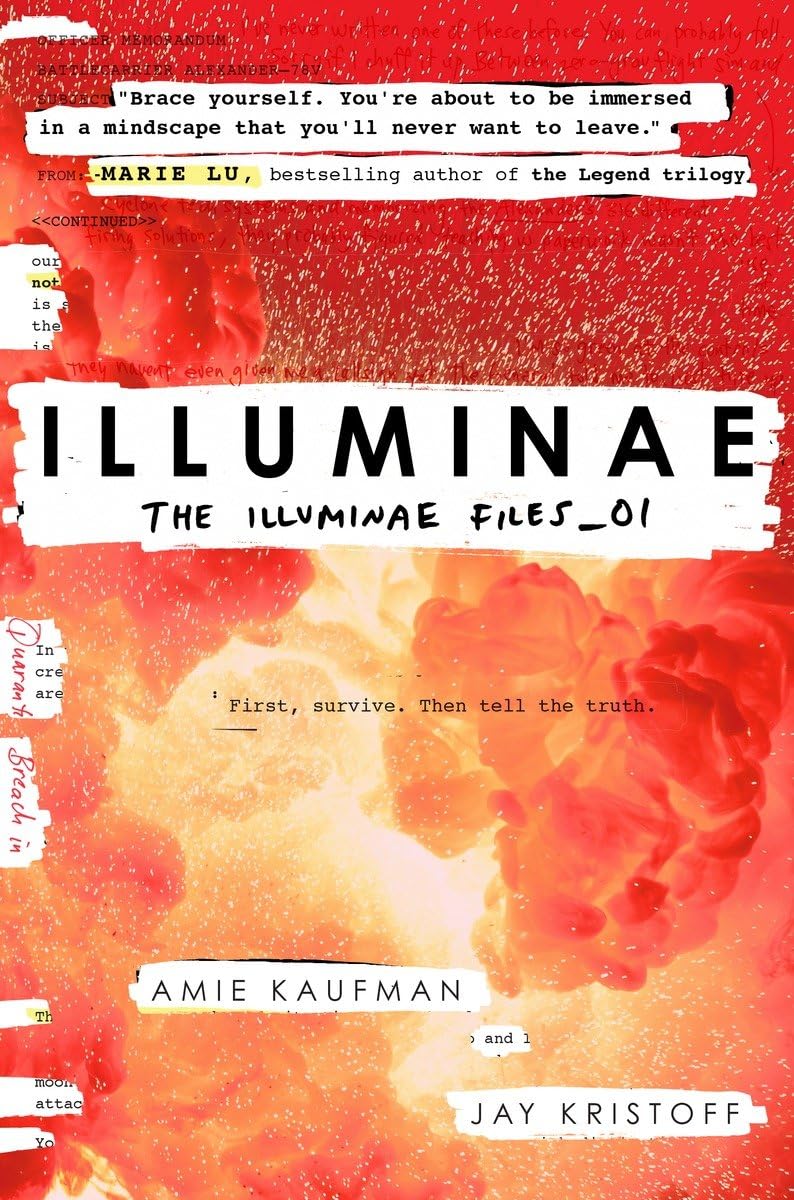
★ The Illuminae Files (2015–2018) – Amie Kaufman & Jay Kristoff
This fast-paced sci-fi series unfolds entirely through documents, transcripts, emails, medical reports, diagrams, and other found artifacts, cleverly arranged to deliver action and emotion visually. Centered around space battles, corporate conspiracies, rogue artificial intelligence, and young heroes struggling for survival, its ergodic element lies in its visual storytelling, requiring readers to piece together the narrative from nontraditional formats. It’s a fun series, heightened by with the playful layout.
Collector’s tips
The first edition hardcovers have hidden secrets in the dust jackets if you hold them up to the light.
Paperbacks: Random House (2017). 9780553499148 (US) | Ember (2017). 9780553499148 (UK).
Knopf Books for Young Readers (2015). 9780553499117 (US HC)
➤ Find US edition at Amazon | B&N | Blackwells | Abes | eBay
➤ Find UK edition at Amazon | Waterstones | Blackwells | Abes | eBay
Knopf Books for Young Readers (2015). 9780553499117 (US HC)
➤ OOP. Find it at Amazon | Abes | eBay
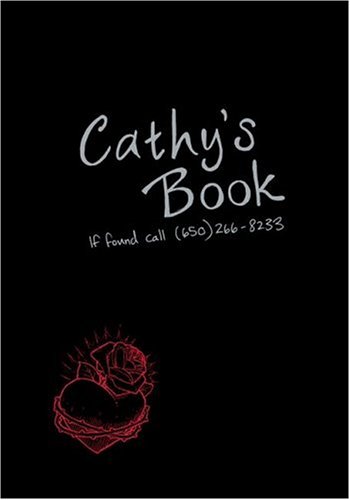
Cathy’s Book: If Found Call (650) 266 8233 — Sean Stewart & Jordan Weisman (2006)
A YA mystery with alternative-reality-game elements, presented as Cathy’s journal and accompanied by evidence such as letters, phone numbers, photos, and marginalia. Readers move between the physical book, clues, and external materials.
Collector’s tips
The evidence pack is essential, so make sure the inserts are included.
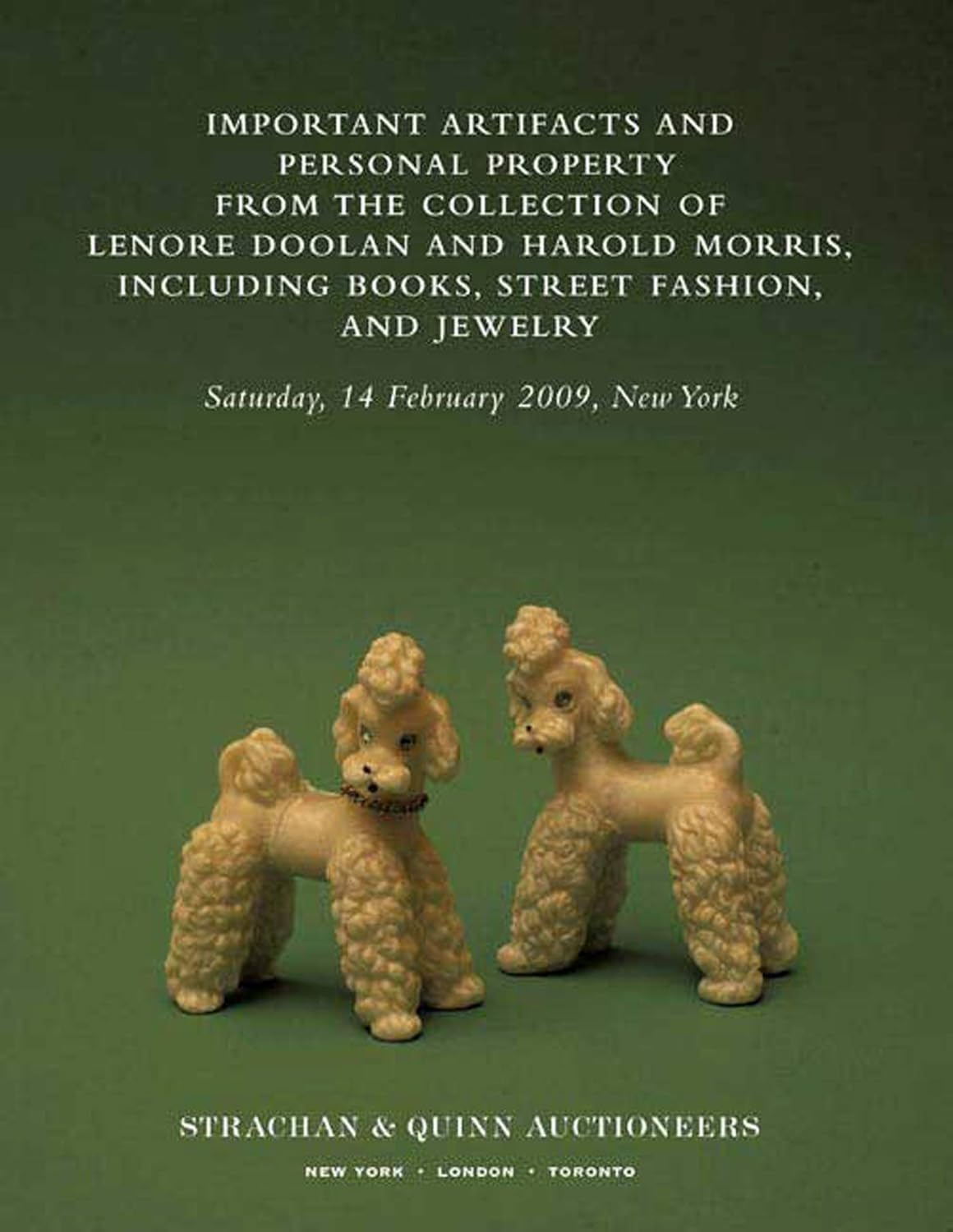
Important Artifacts and Personal Property from the Collection of Lenore Doolan and Harold Morris, Including Books, Street Fashion, and Jewelry – Leanne Shapton (2009)
A novel formatted entirely as an auction catalog detailing items from a failed romance, revealing character and plot subtly through the object descriptions. Surprisingly readable despite the unconventional storytelling style.
Farrar, Straus and Giroux (2009). 9780374175306 (US) | Bloomsbury (2011). 9781408804728 (UK).
➤ Find US edition at Amazon | B&N | Blackwells | Abes | eBay
➤ Find UK edition at Amazon | Waterstones | Blackwells | Abes | eBay
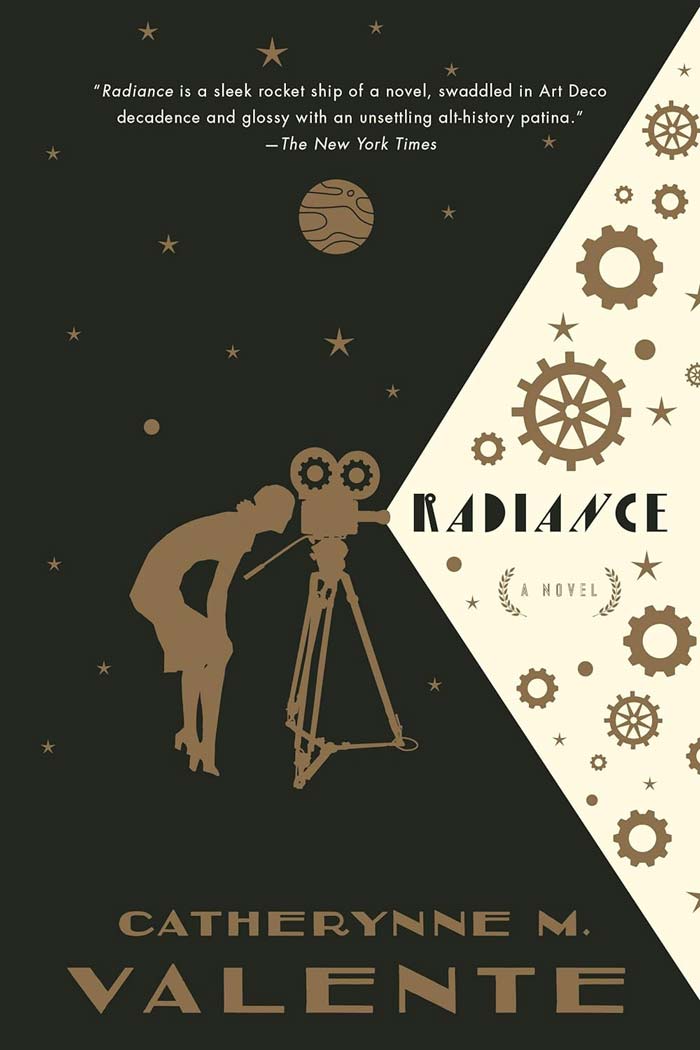
Radiance - Catherynne M. Valente (2015)
A decopunk alternate-history space opera told through film scripts, interviews, gossip columns, transcripts, advertisements, and archival fragments. The reader reconstructs the mystery of documentary filmmaker Severin Unck from the media debris around her.
PB: Tor, 2016. 9780765335302 (US) | Little, Brown (2016) 9781472115157 (UK) | Tor, 2015. 9780765335296 (HB)
➤ Find US edition at Amazon | B&N | Blackwells | Abes | eBay
➤ Find UK edition at Amazon | Waterstones | Blackwells | Abes | eBay
Handle the pages / Apocharta
Pull-Out Letters, Epistolary Artefacts & Insert‑Heavy Adventures
If you adore the feeling of “handling” a story – sliding letters out of envelopes, examining a faux ticket stub for clues – this category is for you!
There’s a special joy in reading someone else’s mail – at least in fiction! Epistolary books are stories told through letters, diaries, clippings, and other “found” documents, sometimes presented in creative facsimile. Classic epistolary novels (like Bram Stoker’s Dracula, told via diaries and telegrams) have been around for centuries, but this category puts a twist on the concept by including physical inserts for the reader to handle. It’s as if the book is not just a story, but a bundle of relics from that story’s world, assembled for you to sift through.
Many modern examples make you feel like a detective or a nosy friend. Griffin & Sabine (1991) by Nick Bantock, for example, is a love story unfolding through artistic postcards and letters that you actually pull out from envelopes on the pages. Each page is an interactive delight – you draw out a letter, unfold it, and read the handwritten correspondence inside, blurring the line between reader and participant. The Jolly Postman gives that same tactile thrill to younger readers. MinaLima’s interactive editions and the Illuminated Pinocchio all remind us that sometimes the book can be much more than just a container for the story.
☞ I’m obsessed with books that have removable ephemera. I wrote an enormous guide to apocharta books to help others who like them too, ranging from books with pull-out letters and interactive illustrations, to removable facsimiles and puzzles.
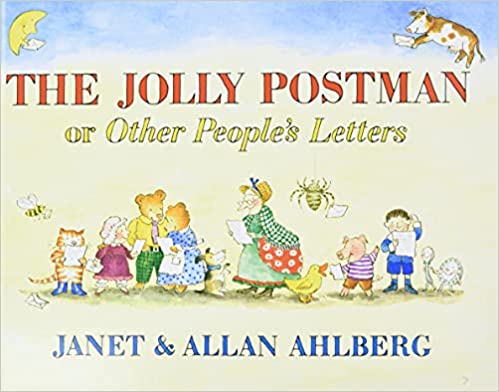
★ The Jolly Postman — Janet & Allan Ahlberg (1986)
A picture book built around removable letters, cards, and printed surprises delivered to fairy-tale characters. Very adorable.
Collector’s tips
There are a few sequels too – The Jolly Christmas Postman and The Jolly Pocket Postman.
Little, Brown. 9780316126441 (US) | Puffin/Penguin. 9780670886241 (UK).
➤ Find US ed at Amazon | B&N | Blackwells | Abes | eBay
➤ Find UK ed at Amazon | Waterstones | Blackwells | Abes | eBay
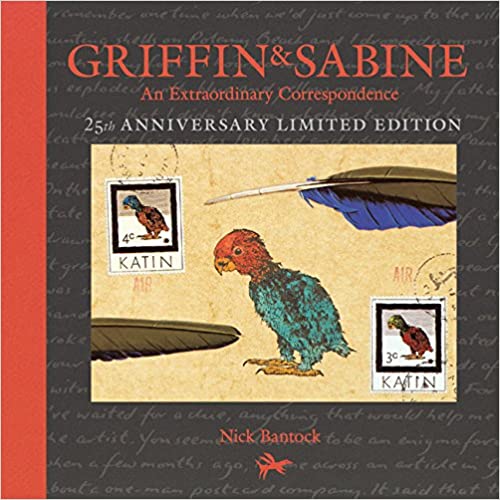
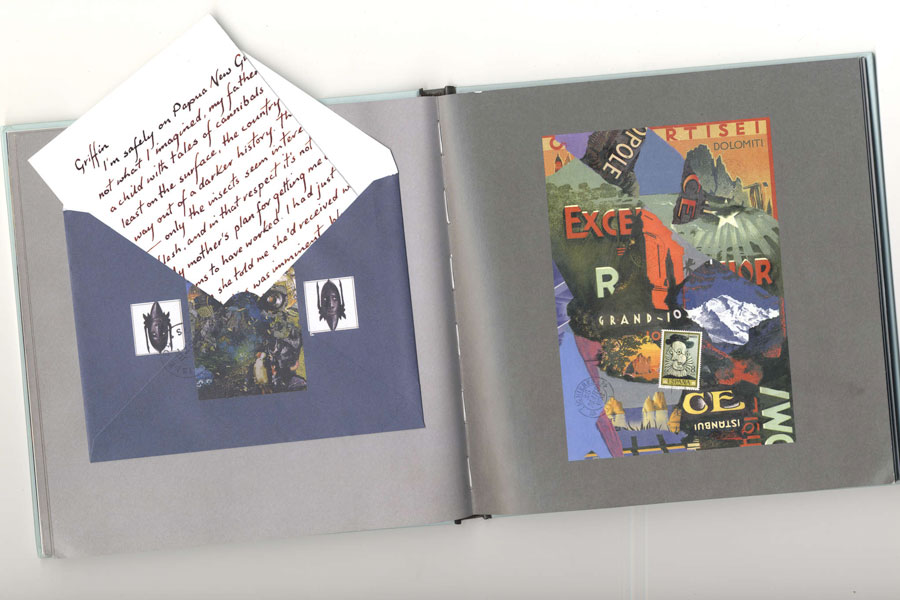
★ Griffin & Sabine – Nick Bantock (1991)
A romance told entirely through beautiful letters and postcards readers physically remove from envelopes bound into the book’s pages. The tactile interaction transforms reading into a personal, intimate experience. This is the first in a trilogy (actually extending into 6 books if you’re keen to stick with it) – and it’s highly readable, with the interactive format only enhancing the story’s mystery and emotion.
Collector’s tips
First editions of the trilogy with every insert intact are nice to hunt for; however, the anniversary edition comes with bonus material, so it’s pretty attractive too!
25th Anniversary Edition. Chronicle Books (2016). 9781452155951.
➤ Find Amazon | B&N | Waterstones | Blackwells | Abes | eBay
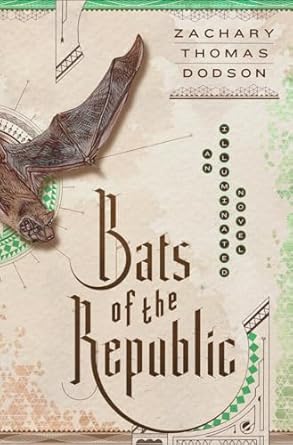
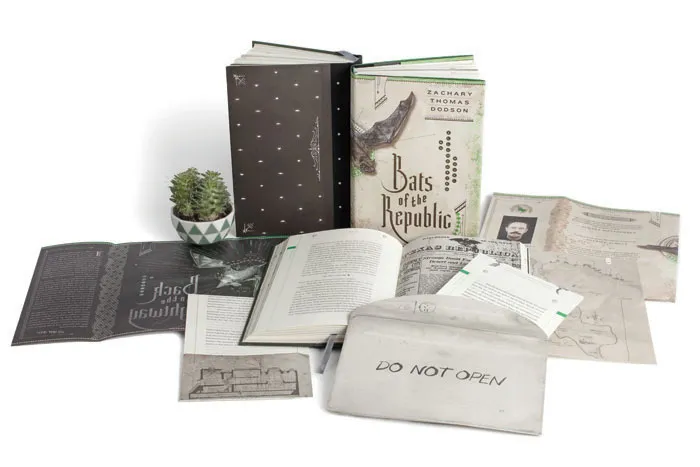
★ Bats of the Republic – Zachary T. Dodson (2015)
This illustrated novel weaves two stories (one historical, one futuristic) through documents, maps, and a sealed envelope readers open at the story’s climax. The design is gorgeous (double sided dust jacket, stunning layout) and its immersive nature adds to the intrigue.
Collector’s tips
The original hardcover was only a single print run and went quickly out of print. However, there’s a new paperback that will be released in December 2026 (though I’m not sure if it will have the sealed envelope construction though, which is an integral part of its ergodicity).

★ MinaLima Interactive Children's Classics - Various Authors
MinaLima’s interactive editions turn classic children’s books into tactile, paper-engineered objects. They include maps, fold-outs, flaps, wheels, letters, layered illustrations and little interactive mechanisms that make the physical activities an immersive part of the pleasure of reading. I’ve just linked one below but they are all great.
The Little Prince – Antoine de Saint-Exupery. Clarion Books, 2026. 9780063497009 (US) | Laurence King, 2026. 9781510232617 (UK).
➤ Find US edition at Amazon | B&N | Blackwells | Abes | eBay
➤ Find UK edition at MinaLima | Amazon | Waterstones | Blackwells | Abes | eBay
☞ Definitely worth checking out the whole MinaLima Interactive Children’s Classics series and the similarly designed Interactive Harry Potter volumes – they are all lavishly illustrated, and the interactive elements are imaginative and fun.
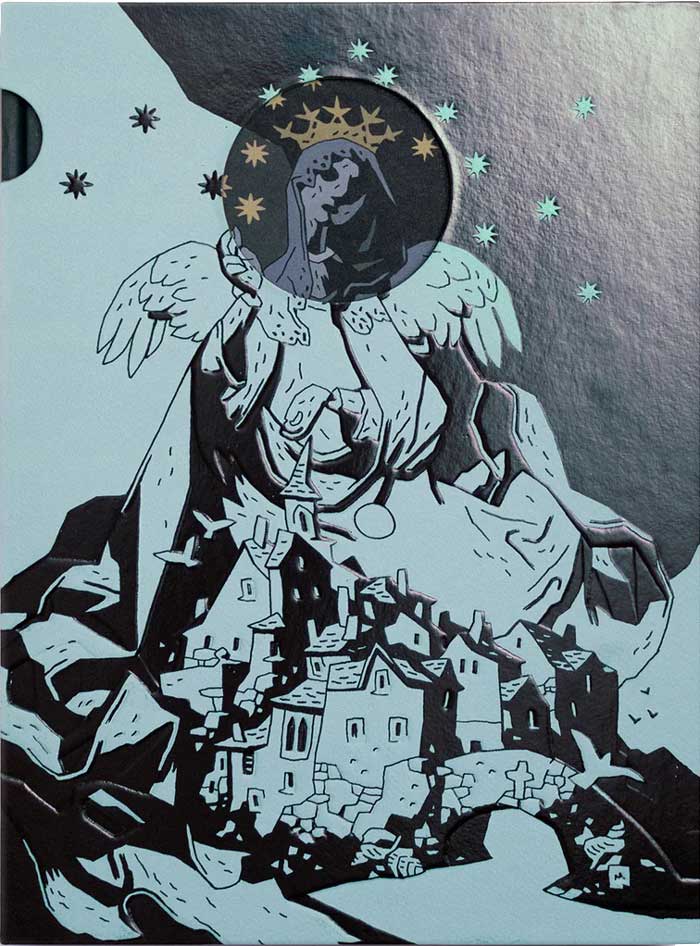
★ Pinocchio: An Illuminated Edition — Carlo Collodi / Lemony Snicket / Mike Mignola
This classic children’s story is reimagined with over fifty illustrations from Mike Mignola and colorist Dave Stewart, and an interactive full text annotation by Lemony Snicket with 36 removable typewritten sheets. Reading the annotations alongside the story provides an entertaining parallel tale of Snicket’s hilarious discovery of the original Italian fable.
Collector’s tips
The trade edition comes in an elaborately embossed & debossed die-cut slipcase, silk-screened and foil-stamped with artwork. The Kickstarter editions include a cloth-wrapped ‘Marionette Edition’ with a foiled printing on the page edges and a bound-in silk marker ribbon; a cloth-wrapped signed and numbered edition limited to 300 copies; a ‘Puppetmaster Edition’ which is housed in a cloth clamshell case with a removable foil-blocked fine art print mounted on a clothbound framing matte inside; and a special lettered edition limited to 26 copies presented in a silkscreened cloth clamshell housing with a 5×8″ original drawing mounted inside.
Beehive Books (2023/2024). 9781948886093.
➤ Find it at Beehive Books | Amazon | B&N | Waterstones | Blackwells | Abes | eBay
☞ The other books in Beehive’s illuminated editions series aren’t ergodic, but they are gorgeous and well worth a look – particularly if you’re interested in finding classics that don’t usually get special edition treatment.
Hunts
Armchair Treasure Hunts & Real World Puzzle Books
Decode hidden literary clues to find real world treasure.
Armchair treasure hunts offer a story that spills off the pages and into the real world, inviting readers to decode riddles, hunt for clues hidden in artwork, text, or even physical locations, and actively participate in a genuine mystery. Some books hide real puzzles with stakes outside their covers. Probably the most famous example is Masquerade (1979) by Kit Williams, a picture-story book that contained intricate visual clues to a real-life treasure (a golden hare figurine) buried in England. Readers went wild trying to decode its secret, literally digging up the countryside in search of the prize. These are books that can transform reading into a communal, competitive, and immersive experience.
☞ Thre’s a much longer Guide to Armchair Treasure Hunts on the site, so I’ve just extracted a few here. Please do check out the longer article for more if you enjoy this genre.
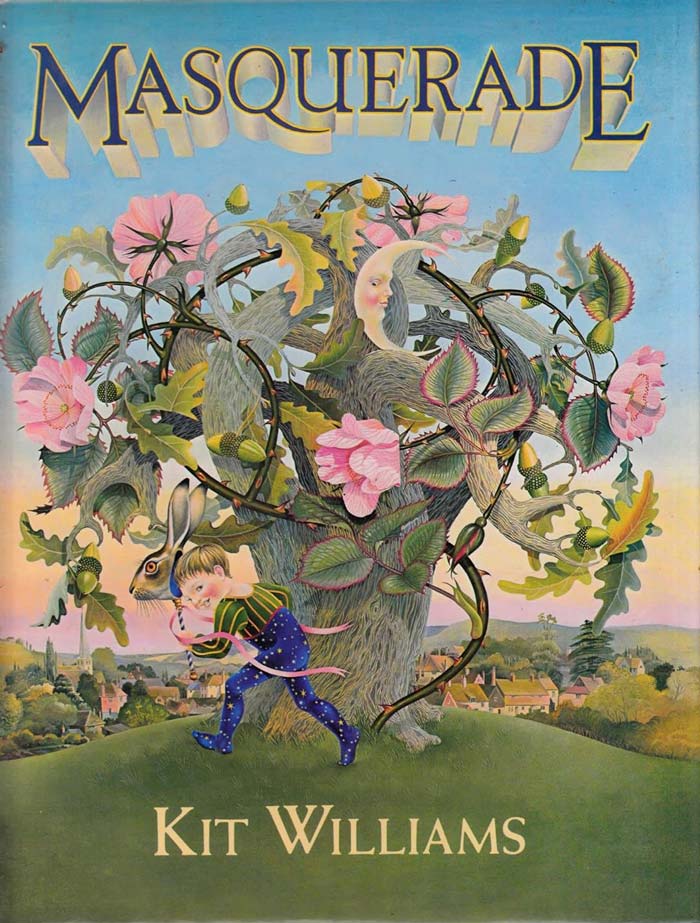
★ Masquerade – Kit Williams (1979)
A beautifully illustrated children’s book that sparked a real-world treasure hunt craze in the 1980s. The moon instructs Jack Hare to deliver a jewel to the sun. When Jack Hare loses the jewel, it’s up to the readers to work out where Williams had hidden a real hand-beaten, jewel-studded golden hare. Intricate, fantastical paintings invite readers to stare into each page, and elaborate visual clues and cryptic riddles embedded in the artwork and text direct readers to the location of a golden hare buried somewhere in Britain. As a pure storybook, it’s whimsical and poetic but intentionally mysterious. Some of the puzzles are easy to solve (e.g. there’s a hare hidden on every page), while others are more complex, so it can be enjoyed by readers at many levels.
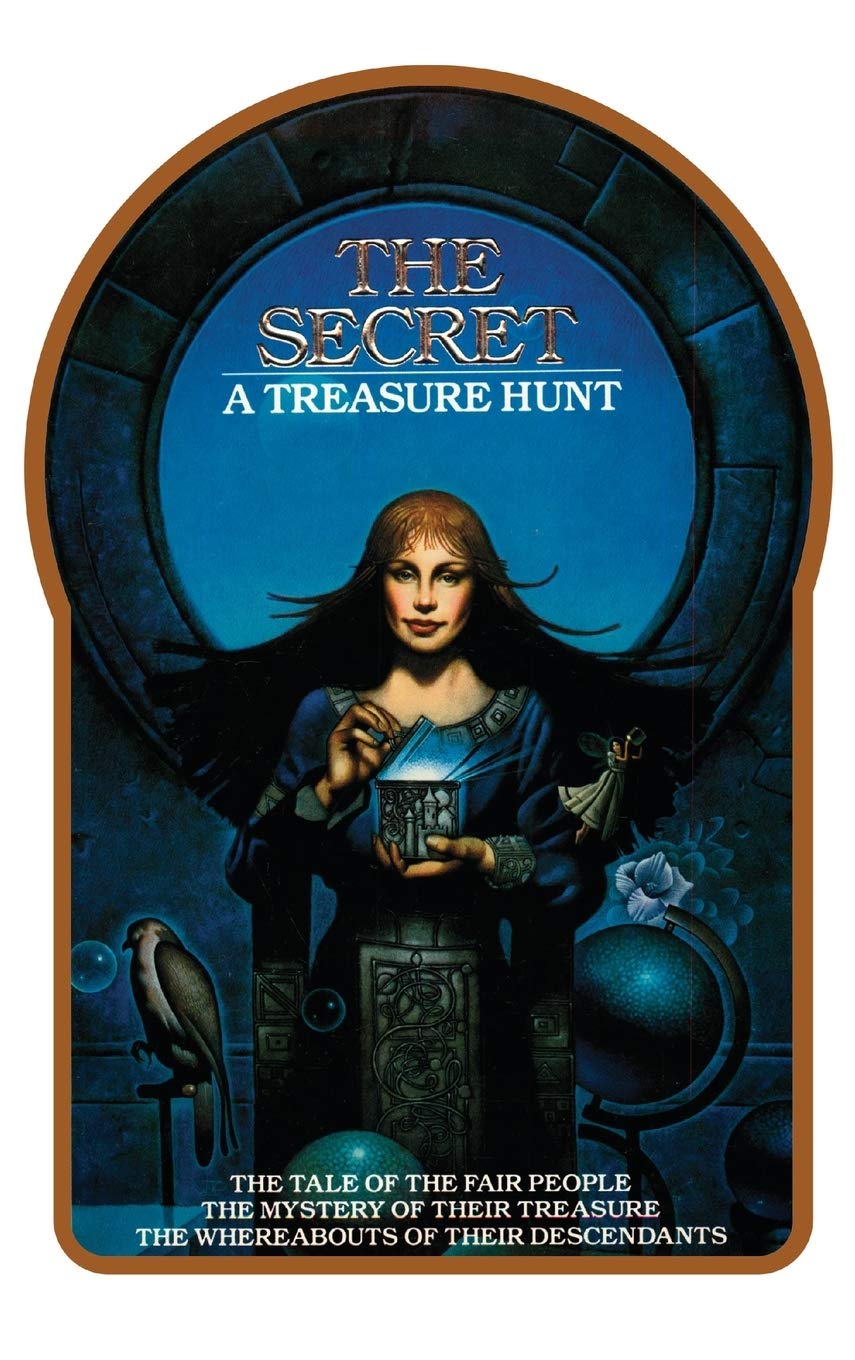
★ The Secret — Byron Preiss (1982)
Although Masquerade sparked the genre, The Secret has provided its longest and most active afterlife. The book pairs twelve verses with twelve images that point to buried ceramic casques across North America, each redeemable for a gemstone. Four decades on, only three have been recovered.
Collector’s tips
This one has been around for a long time, so there are many editions. The 1982 Bantam first printing is the most valuable, but any will do if you just want to play. There’s a fan site that tracks the current solutions.
Paperback. iBooks (2015). 9781596874015.
➤ Find it at Amazon | B&N | Waterstones | Blackwells | Abes | eBay
First edition. Bantam (1982). 9780553014082.
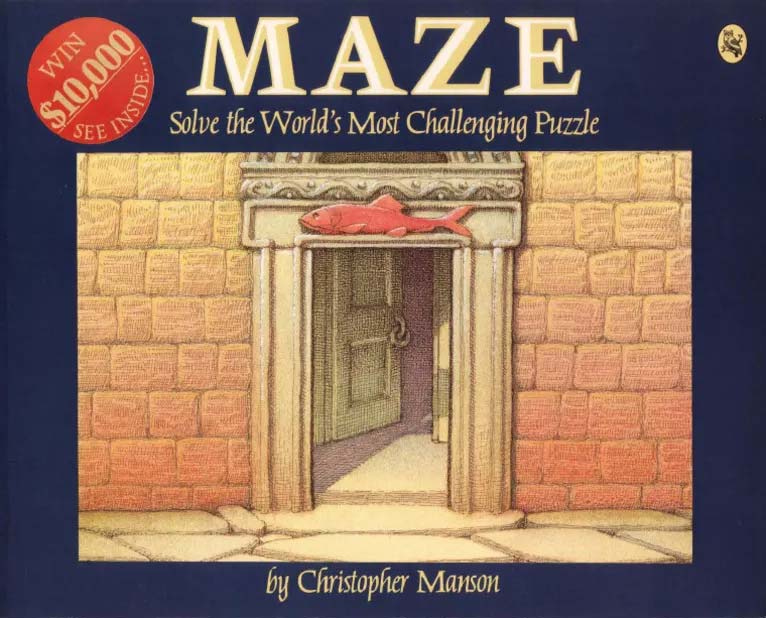
★ Maze - Christopher Manson (1985)
A competition was launched in 1985 to solve what the publishers called “the world’s most challenging puzzle” with a prize of $10,000. The puzzle was a maze you entered through this illustrated picture book. Each page of the book represents a room filled with puzzles to solve, and each room has multiple doors that lead to different pages. Your goal is to find the shortest route to the center and back while solving the puzzle in the center room – if you can even figure out what the puzzle is. By 1987 no one had been able to solve the puzzle, so the prize money was split between the top competitiors. For some reason it’s crazy expensive second-hand, even though there always seem to be copies kicking around.
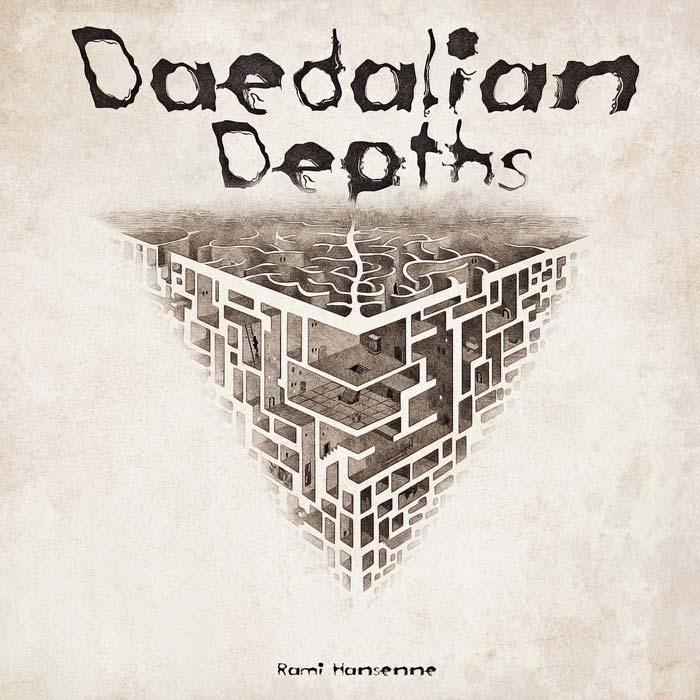
★ Daedalian Depths — Rami Hansenne (2021)
If you’re struggling to find an afforable copy of Maze but want to understand the appeal, Daedalian Depths is one of its most direct modern descendants: a labyrinth of numbered chambers, strange illustrations and decision. Each page is a room. Each door sends you somewhere else.
Innovario paperback. 9789464337383 (US) | 9789464337389 (UK).
➤ Find UK ed at Amazon | Waterstones | Blackwells | Abes | eBay
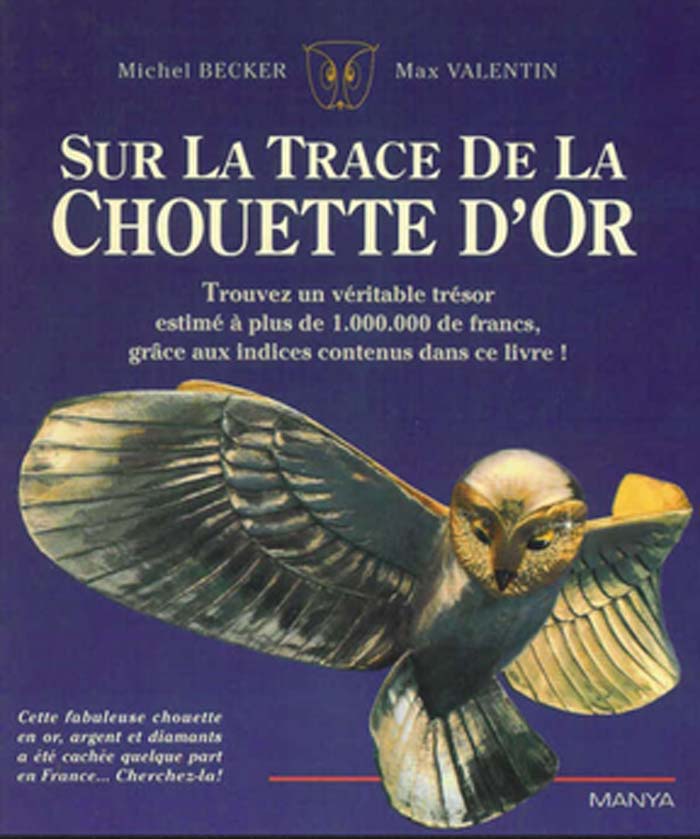
★ On the Trail of the Golden Owl / Sur la trace de la chouette d’or — Max Valentin & Michel Becker (1993)
The story invited readers into a dense, tantalising chase across France, using eleven riddles, layered symbolism, and a great deal of patience to lead searchers toward a hidden owl statue buried somewhere in the landscape. The competition stayed open for thirty years until the prize was eventually awarded in 2024.
Collector’s tips
The book was written by Régis Hauser under the pseudonym “Max Valentin” and illustrated by Michel Becker. Becker took over the hunt in 2021, and published a couple of new editions under different names, including The Secret Notebooks (2019) and On the trail of the Golden Owl – Under the seal of secrecy (2022).
Catalogue
Imaginary Encyclopedias & Hyper‑Lexicons
Welcome world-builders and lore-lovers. If you’re the sort of reader who pours over appendices, fictional maps, or loves immersive world details in sci-fi and fantasy, you’ll be drawn to this category.
Welcome to the reference section of Wonderland. These books pretend to be factual reference works – encyclopedias, dictionaries, guides – except their subjects are completely made-up. Instead of real-world history or science, you might find an encyclopedia of an imaginary world written in a mysterious invented language, or a “dictionary” of a fantasy culture with entries that weave together a hidden story. These books often come with illustrations, elaborate entries, and sometimes cryptic organization, inviting readers to act as armchair explorers of a fictional universe.
This playful format has literary roots in the likes of Jorge Luis Borges (who loved writing reviews of nonexistent books) and other speculative writers who blur fiction and scholarship. In the early 1980s, for instance, Italian artist Luigi Serafini created the Codex Seraphinianus – an enormous and gorgeous tome that looks like a natural history encyclopedia from another dimension, full of bizarre flora and fauna drawn in detail and captions in indecipherable script. Around the same time, Milorad Pavić published Dictionary of the Khazars (1984), presented as three cross-referenced mini-encyclopedias (Islamic, Christian, Jewish sources) about a lost people, with the entries contradicting and complementing each other which were published in ‘male’ and ‘female’ editions. These works give the reader the thrill of discovery; you don’t read straight through, you browse, investigate, and piece together an overarching narrative or world mythology from the bits and pieces.
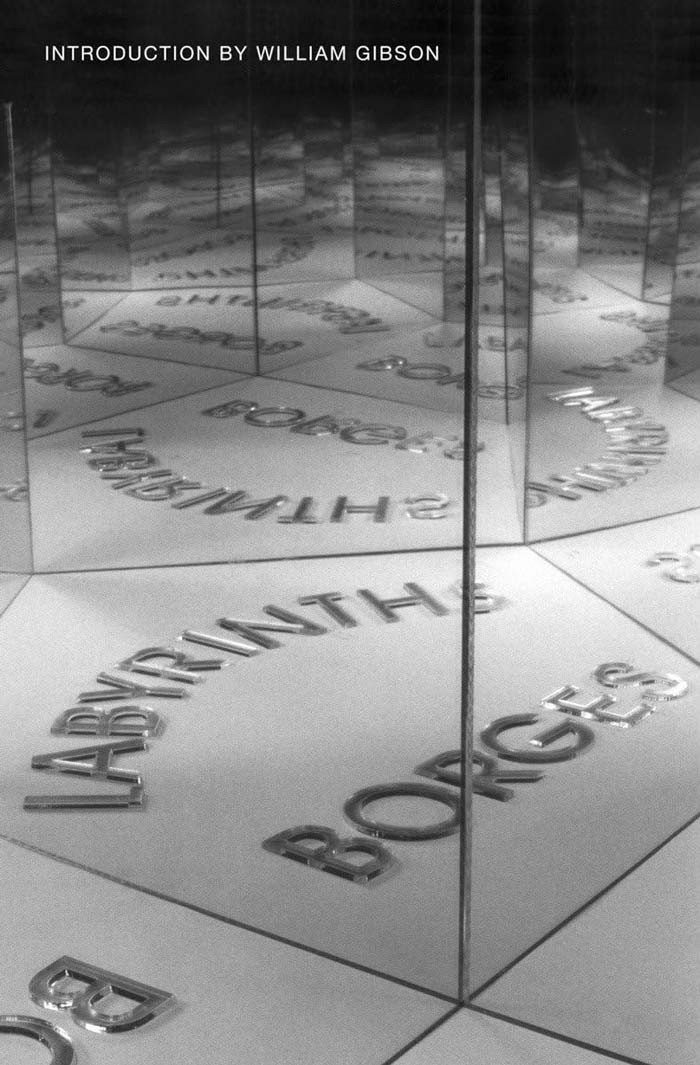
Tlön, Uqbar, Orbis Tertius - Jorge Luis Borges (1940)
Borges’s story begins with the discovery of an encyclopedia entry for a place that may not exist, then expands into a conspiracy of invented worlds, languages, metaphysics, and reference texts. It’s more ergodic-adjacent, but foundational for fake scholarship, fictional encyclopedias, and books that pretend to document impossible realities.
In: Labyrinths, New Directions (2007). 9780811216999 (US) | Penguin (2000). 9780141184845 (UK).
➤ Find US ed at Amazon | B&N | Blackwells | Abes | eBay
➤ Find UK ed at Amazon | Waterstones | Blackwells | Abes | eBay
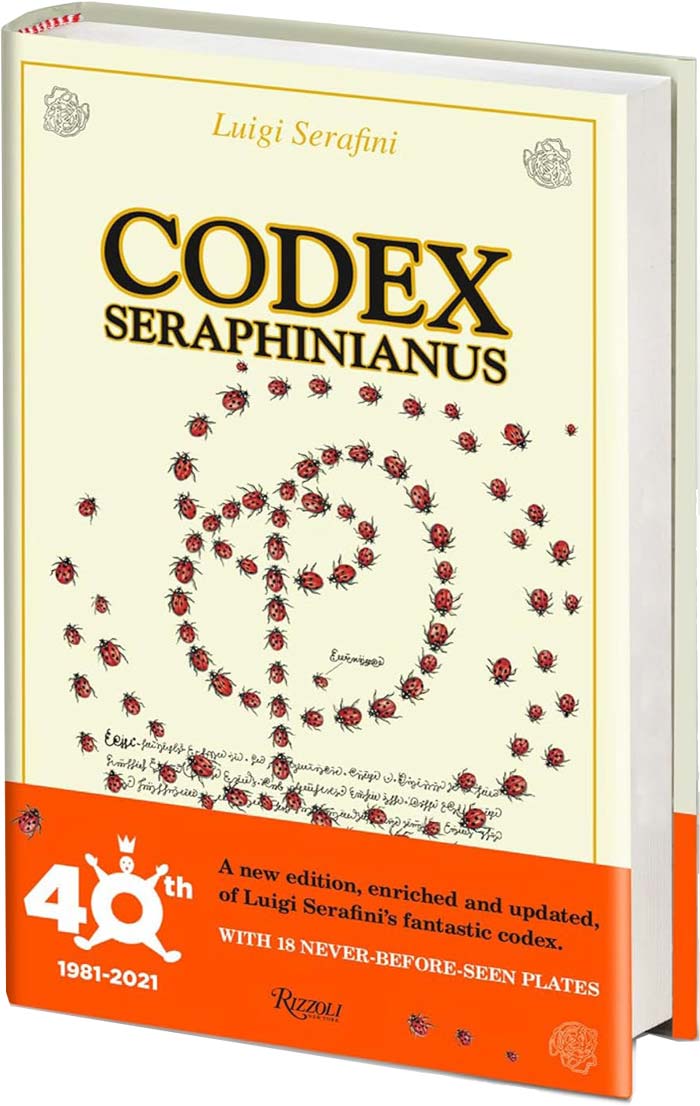
Codex Seraphinianus – Luigi Serafini (1981)
A gorgeously illustrated encyclopedia detailing an imaginary world, filled with surreal illustrations and written entirely in an invented, indecipherable language. Its lack of explicit narrative requires readers to imagine their own stories based on visual clues. It’s more of an artistic experience than an actual book to be read, best enjoyed when you’re feeling imaginative.
Collector’s tips
If you have money to spare, there’s a deluxe edition (and the original two‑volume artbook) with bonus illustrations, otherwise the standard edition is still oversized, (pretty expensive) and a real statement piece in your shelf.
Rizzoli (2021). 9780847871049 (standard) | 9780847871063 (deluxe).
➤ Find standard ed at Amazon | B&N | Waterstones | Blackwells | Abes | eBay
➤ Find deluxe ed at Amazon | Waterstones | Blackwells | Abes | eBay
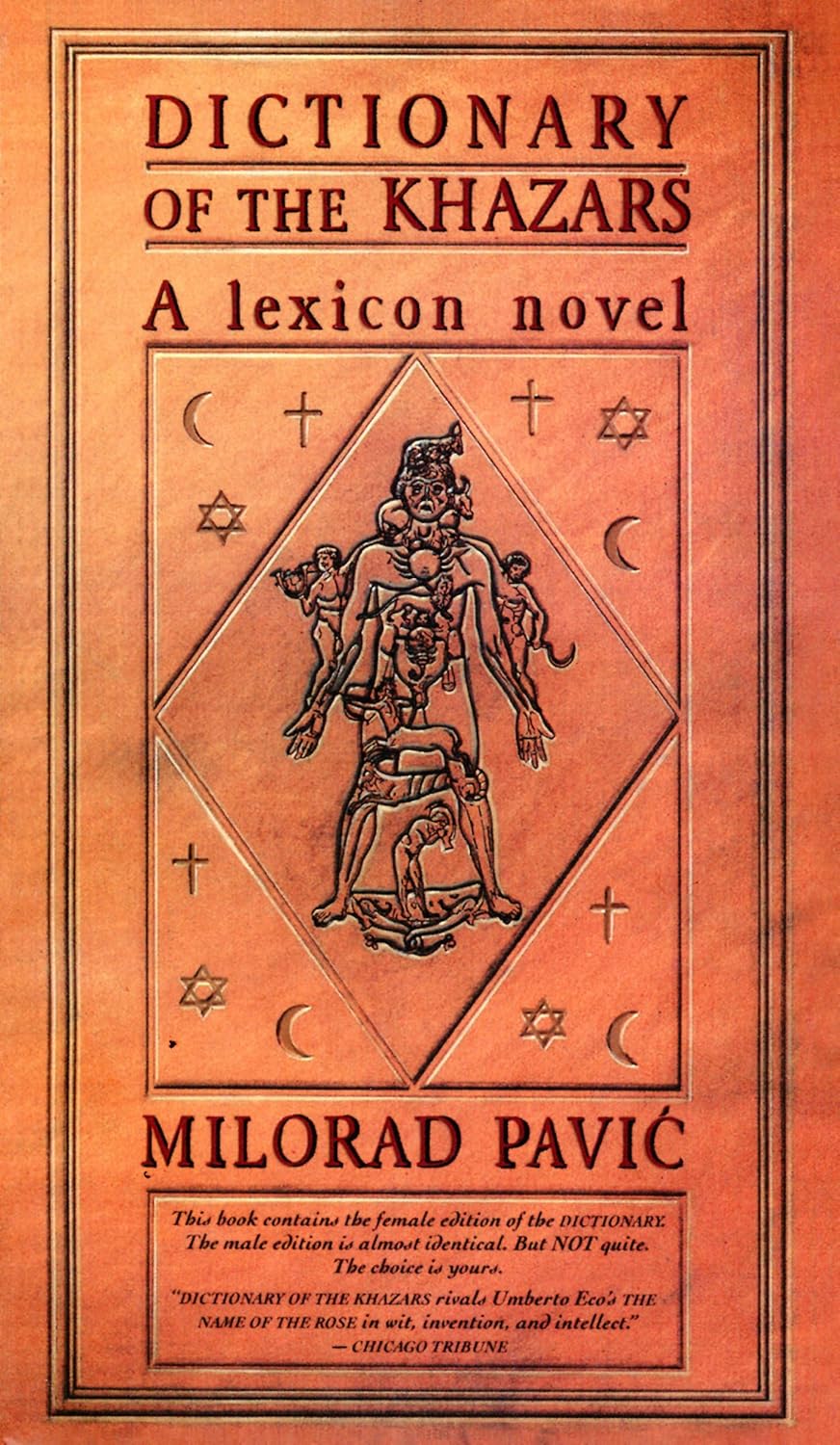
Dictionary of the Khazars – Milorad Pavić (1984)
Structured as three overlapping dictionaries (Christian, Jewish, Islamic), Pavić’s novel narrates the mysterious history of the lost Khazar people through entries readers explore in any order. It was issued in Male and Female versions that differ by a single paragraph. (There’s also a later ‘androgynous’ combined text.)
PB: Vintage (1989). 9780679727545 (F) | 9780679724612 (M)
➤ Find Female ed at Amazon | B&N | Waterstones | Blackwells | Abes | eBay
➤ Find Male ed at Amazon | B&N | Waterstones | Blackwells | Abes | eBay
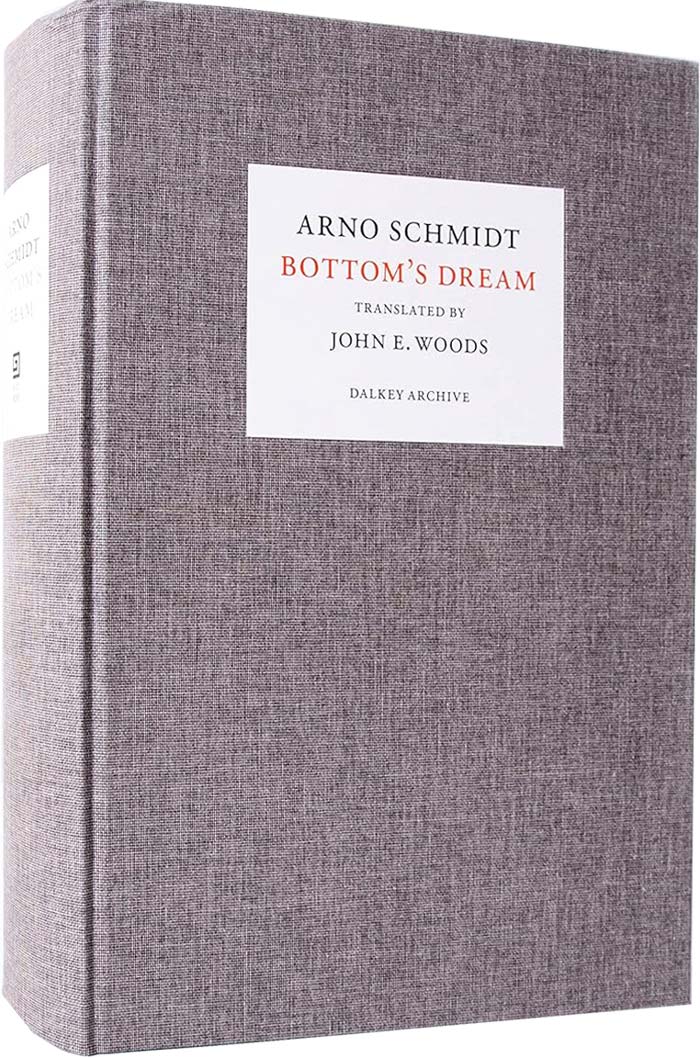
Bottom’s Dream – Arno Schmidt (1970/2016 EN)
A massive, complex novel known for its gigantic format and three-column structure, filled with multilingual wordplay, digressions, and literary allusions. It’s dauntingly difficult to read, and primarily aimed at readers who enjoy linguistic experimentation and literary puzzles. It includes 1,500 oversized pages in triple‑column layout and weighs in at a crazy 13 lbs/6kgs so if you want this, be prepared for shipping = nightmare.
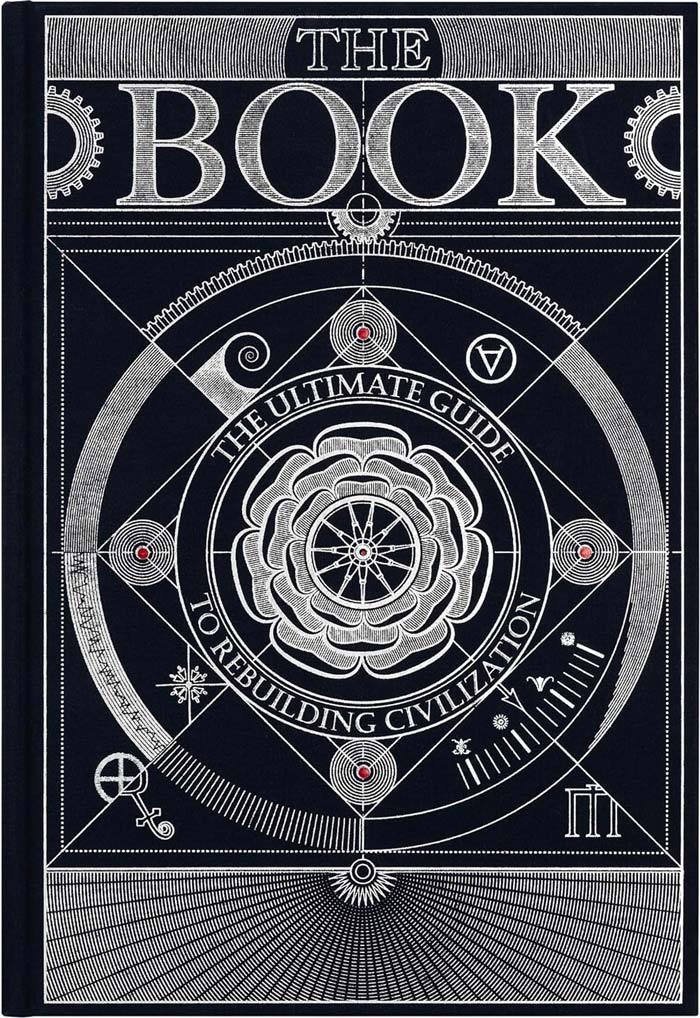
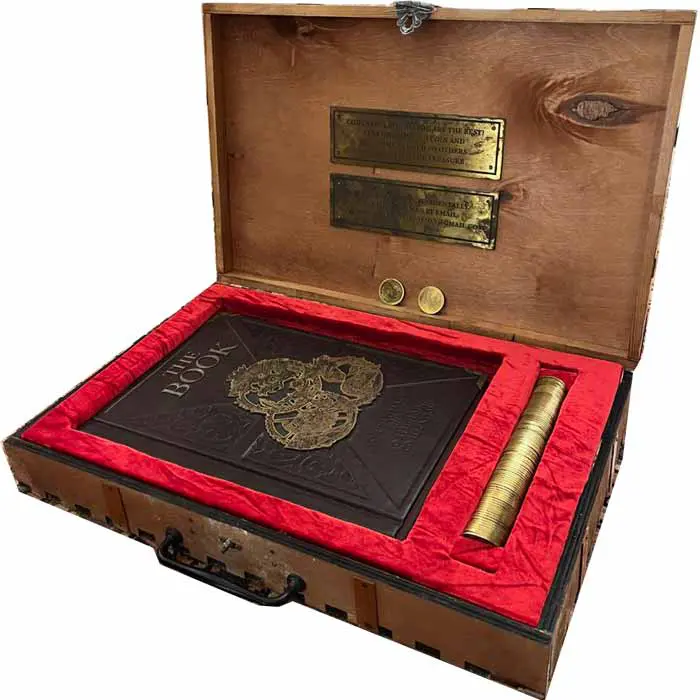
The Book: The Ultimate Guide to Rebuilding a Civilization – Hungry Minds (2022)
A beautifully illustrated compendium detailing how to reconstruct modern society from scratch, covering topics from agriculture to technology. Highly engaging, with detailed illustrations and practical information presented in an accessible format. Readers were challenged to decipher hidden symbols, colored page numbers, and recurring motifs to uncover geographical coordinates leading to a buried prize. he embedded quest led to a hidden treasure, which has since been found. While the physical prize has been claimed, the publishers encourage readers to continue engaging with the puzzles, offering occasional bonus rewards for those who solve the quest and reach out.
Collector’s tips
Various special editions exist, including the crowd-funded original edition, a hand-illustrated jacket and a gift box.
Hungry Minds (2022). 9780578377452.
➤ Find it at Hungry Minds | Amazon | B&N | Waterstones
☞ See Unlocking The Book for a more detailed review and video of this one.
Cult Classics
Enter the Labyrinth if you dare...
These books are the ones that inspire cult fandoms, reader groups, and a million tabs on the pages as you try to decipher all the clever clues.
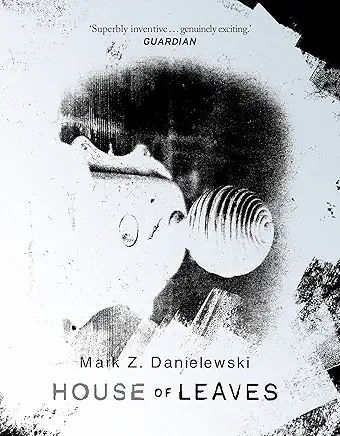
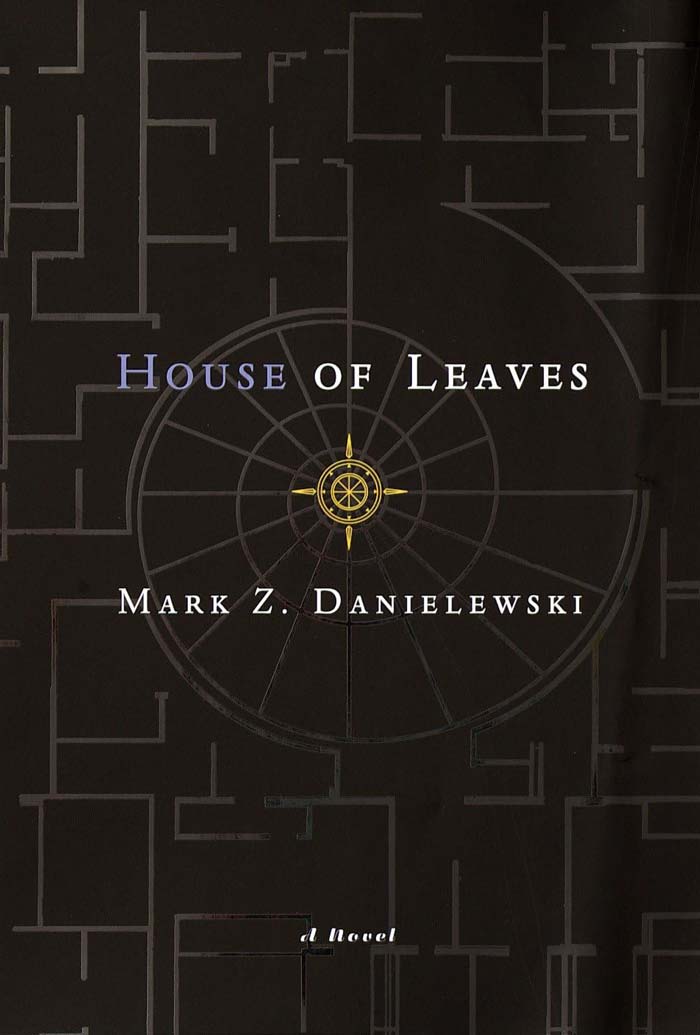
★ House of Leaves – Mark Z. Danielewski (2000)
A complex horror narrative presented through elaborate typographic experimentation – footnotes within footnotes, colour-coded words, upside-down pages – that literally embodies the disorienting maze at the heart of the story. Centered on a mysterious house with impossible dimensions, the novel’s layout directly mirrors its themes of confusion and terror. While initially daunting, it’s actually quite compelling once you get into it.
Collector’s tips
I like the two‑tone colored special editions (and add The Whalestoe Letters chapbook for a full set).
Colored HB Editions. Pantheon (2000). 9780375420528 (US | Doubleday (2024). 9781529943993 (UK).
➤ Find US edition at Amazon | B&N | Blackwells | Abes | eBay
➤ Find UK edition Amazon | Waterstones | Blackwells | Abes | eBay
☞ Also recommended by Mark Z. Danielewski: Only Revolutions. It’s less famous than House of Leaves, but also a great ergodic experience – a double-ended road novel with two narrators, upside-down text, and coloured typography.
Pantheon hardcover, 2006. 9780375421761. Vintage paperback, 2007. 9780375713903.
➤ Find it at Amazon | B&N | Waterstones | Blackwells | Abes | eBay
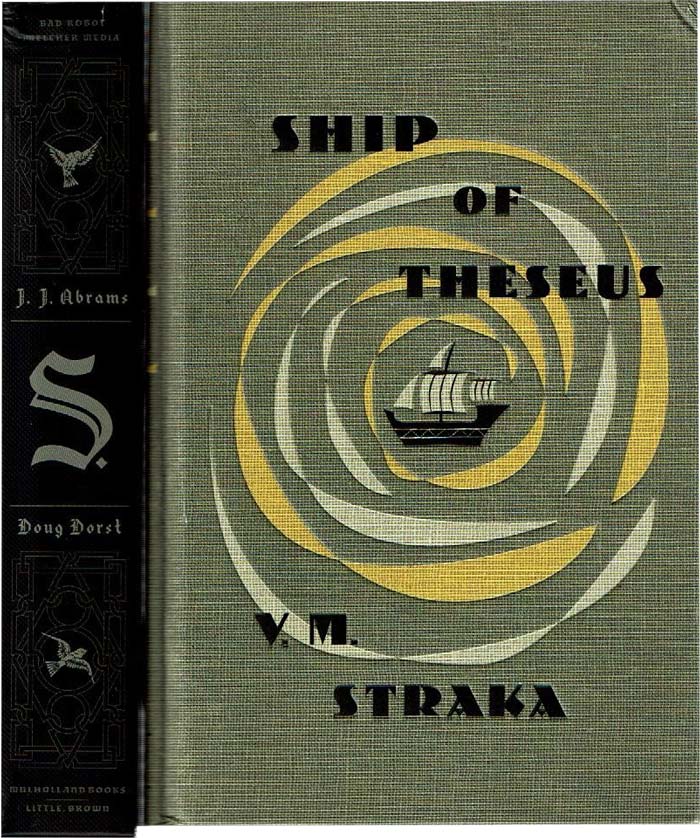
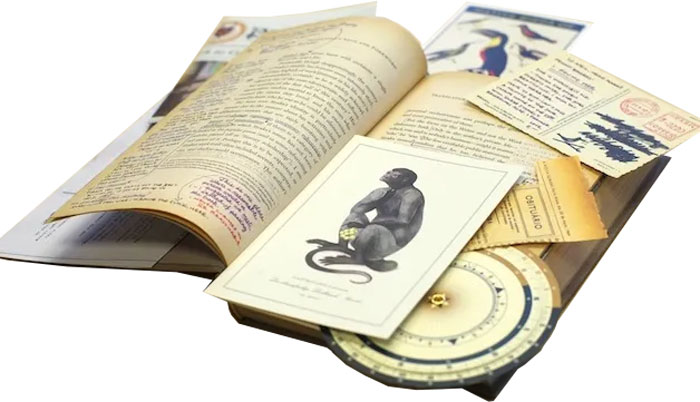
★ S. (Ship of Theseus) – J. J. Abrams & Doug Dorst (2013)
A novel within a novel, presented as a fictional old library book annotated by two readers, including handwritten notes and 22 physical inserts (letters, postcards, maps). The ergodic charm lies in piecing together the multilayered mystery from scattered clues. Surprisingly compelling and readable, it offers intrigue and character depth despite its experimental form.
Little, Brown and Company (2013). 9780316201643 (US) | Canongate (2013). 9780857864772 (UK).
➤ Find US edition at Amazon | B&N | Blackwells | Abes | eBay
➤ Find UK edition at Amazon | Waterstones | Blackwells | Abes | eBay
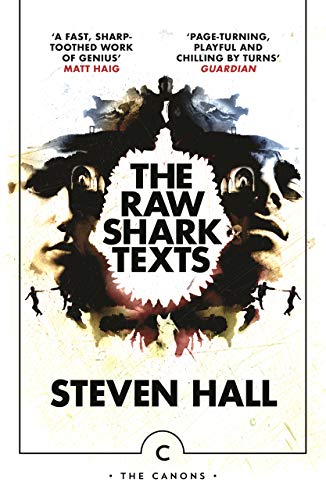
★ The Raw Shark Texts – Steven Hall (2007)
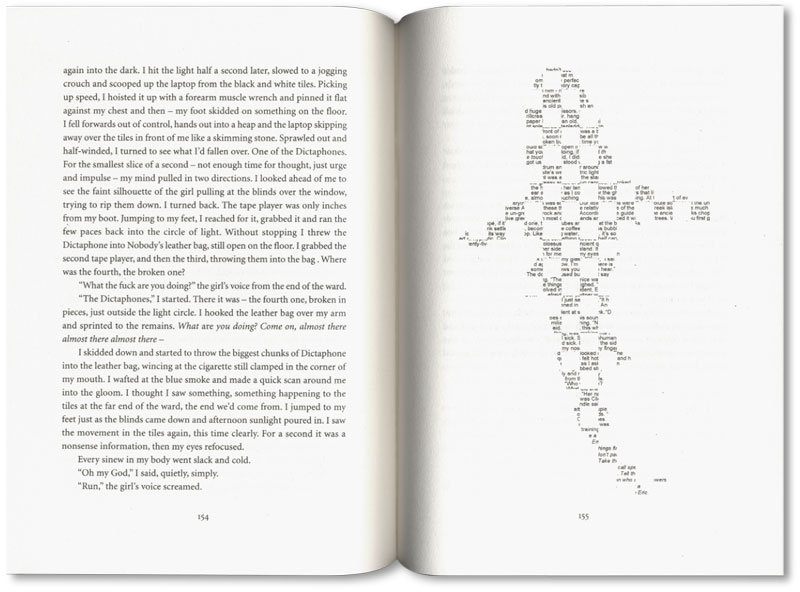
This genre-blending novel explores memory and identity through a protagonist haunted by a conceptual shark that dwells in the “waterways” of human thought and expression (the title is a play on “Rorschach Tests” – when your personality is supposedly revealed by how you interpret an inkblot). One of its ergodic highlights is a 36-page visual flipbook section composed of text fragments shaped into a swimming shark silhouette, underscoring the novel’s theme of memory as a dangerous ocean. It very effectively balances readability and experimentation, and offers a suspenseful thriller alongside the typographic innovations.
Collector’s tips
A central theme of the book is exploring “unspace” – abandoned, forgotten, and liminal spaces. Reflecting this, the author released 36 “unchapters” or “negatives” to match each of the printed chapters in the book that live outside of the novel itself and create what he has called the “unbook” of the book. Alternative pages were printed in different editions, sheets were randomly inserted in some books before they were sold, messages were hidden in limited publisher pamphlets, youtube videos, myspace pages, the author’s website (click the “e” in horse), and one was even a single page stuck under a park bench. They have not yet all been found (and may never be), but you can check out what’s been found here.
Canongate (2022). Paperback, 9781838851804. (First published 2007).
➤ Find it at Amazon | B&N | Waterstones | Blackwells | Abes | eBay
☞ Also recommended by Steven Hall: Maxwell’s Demon. It’s another postmodern puzzle-mystery, full of letters, entropy, and typographic play.
Canongate hardback, 2021. 9781847672469. Canongate paperback, 2022. 9781847672483.
➤ Find it at Amazon | B&N | Waterstones | Blackwells | Abes | eBay
☞ I adore this book! I’ve created a whole set of pages that explore hidden references in the books, tracks the unchapers, and even reconstructed an alternate reality game that was released at the time. It’s probably more useful after you’ve read the book, but check out The Raw Shark Texts Archive for more…
Looking for more?
More Strange Books
Enjoy some more weird literature!
There are plenty of books that come close to falling under the ergodic literature banner – particularly books that have interesting structures and clever writing conceits. I could list a ton more here, but I’m not sure how many people are interested in this sort of thing. So please do let me know if you are interested in a proper follow-up article/video on other types of strange books and weird literature. In the meantime, here are a couple more to check out for your reading pleasure….
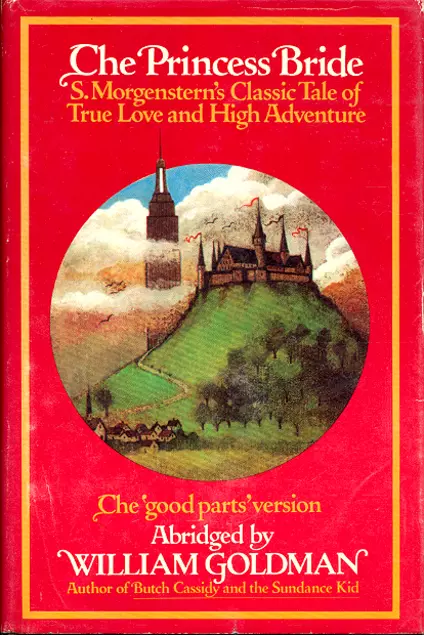
The Princess Bride - William Goldman (1973)
The Princess Bride is not ergodic, but it is a relevant aside because the whole book is built on a fake editorial premise. Goldman presents his tale of “true love and high adventure” as a “good parts” abridgement of a much longer work by the fictional S. Morgenstern, complete with interruptions, commentary, omissions, complaints about the boring bits he has supposedly cut, and a running performance of editorial authority that is, of course, completely made up. The reader’s work here is mostly just to enjoy the layers of false framing and enjoy the charming inputs from the person supposedly “fixing” it for us.
☞ The movie is amazing, and the book is even better. Check out all the different editions (from stunning illustrated options to a weird ‘sexy’ one that mostly got pulped) in The Princess Bride – All the Books!
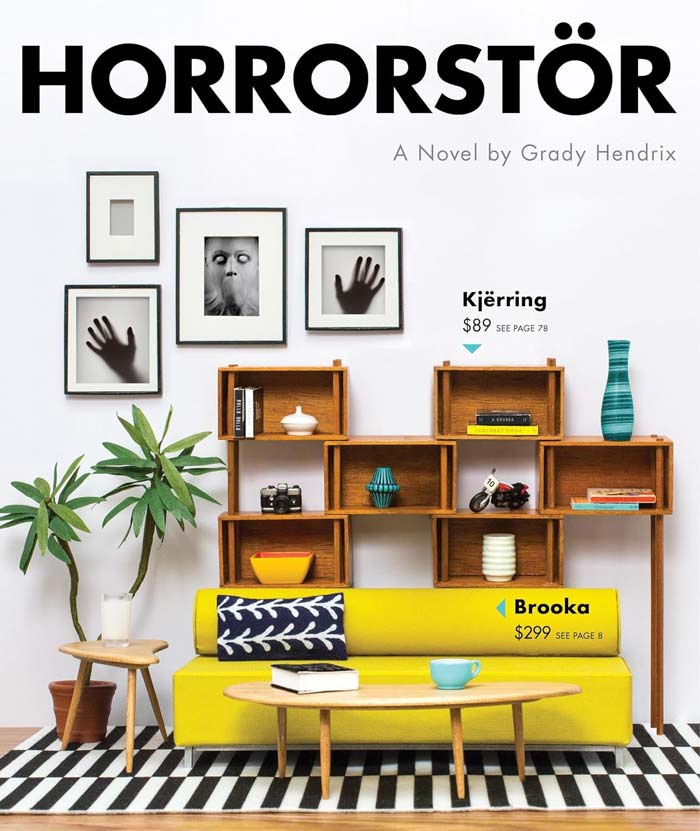
Horrorstör — Grady Hendrix (2014)
This is a haunted-house novel disguised as an IKEA catalogue. The story takes place in Orsk, a flat-pack furniture superstore where employees stay overnight to investigate some mysterious vandalism and instead discover that the building has a far nastier floor plan than expected. Hilariously, product descriptions, showroom logic, retail diagrams and increasingly sinister catalogue furniture are built into the reading experience. This is one instance where the paperback edition is the best, to keep the IKEA illusion alive.
Quirk Books paperback. 9781594745263.
➤ Find it at Amazon | B&N | Waterstones | Blackwells | Abes | eBay
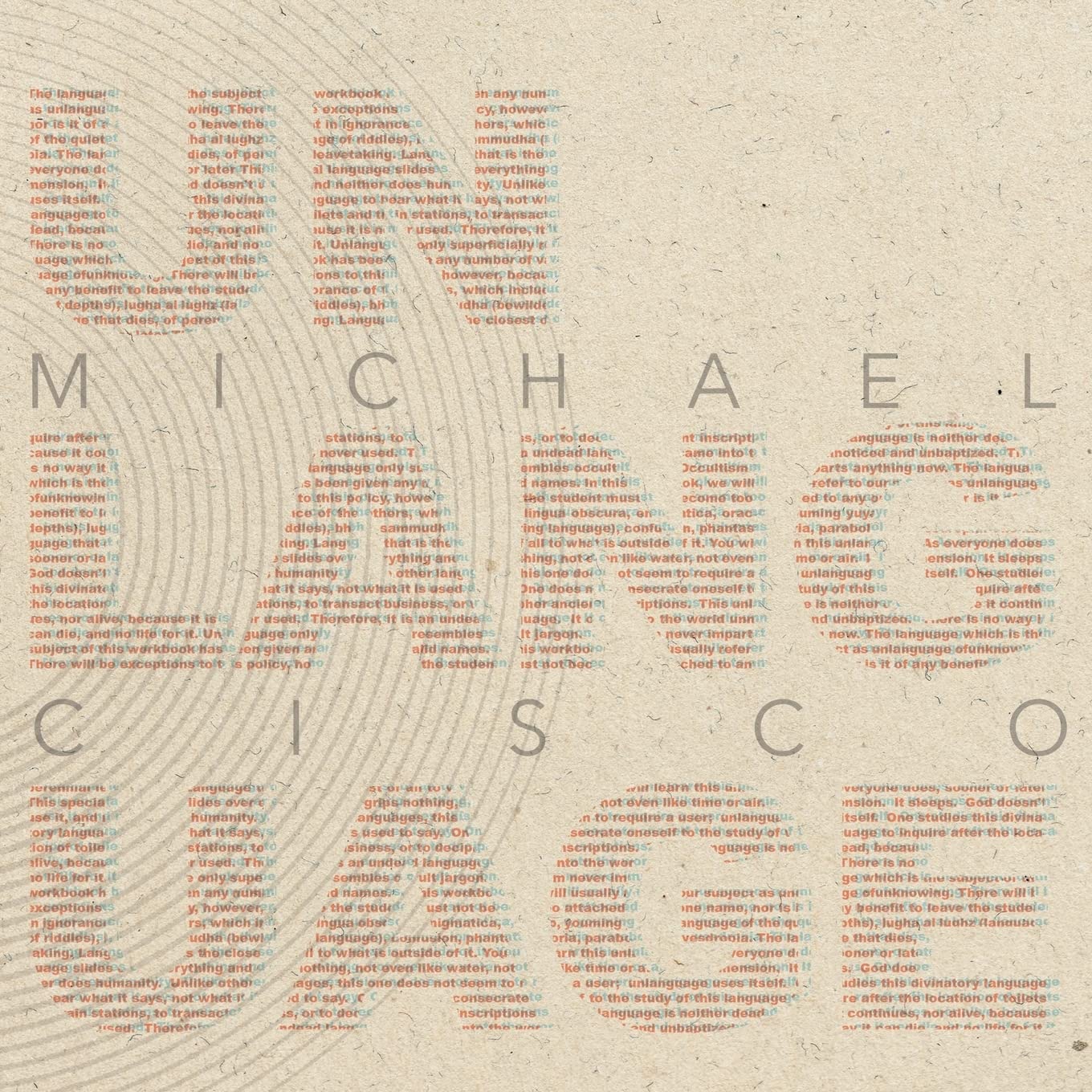
Unlanguage – Michael Cisco (2018)
Part occult grammar textbook, part fragmented resurrection story. The book is framed as a workbook the reader has physically inherited, and “a structural guide to impossible grammar”. Its readability is deliberately challenging, so I’d say it would primarily appeal to those who appreciate extreme experimental literature.
Paperback. Eraserhead Press (2018). 9781621052661.
➤ Find it at Amazon | B&N | Waterstones | Abes | eBay
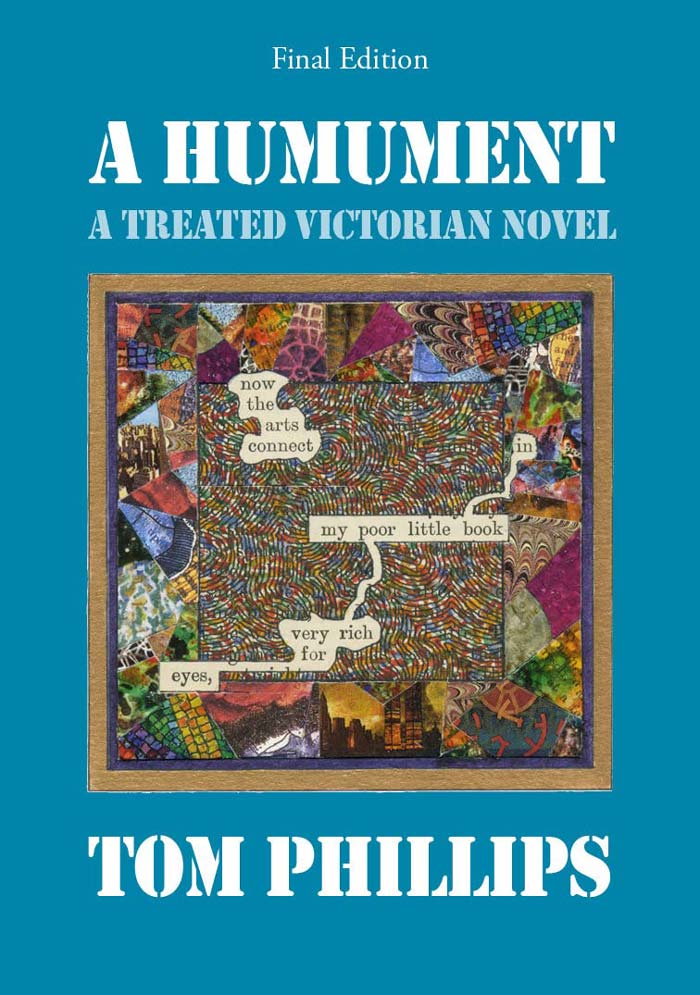
A Humument — Tom Phillips (1971-2016)
This is a remarkable altered-book experiment: Tom Phillips took an obscure Victorian novel (W. H. Mallock’s A Human Document), and transformed each page by painting, drawing, masking and revealing selected words until an entirely new work emerged from the old one. It’s more ergodic-adjacent in the sense that pages are both artwork and text, requiring you to read visually, slowly and associately; the story being found by following the words Phillips leaves behind. And then he did it again, and again. So although the underlying story in each edition is related across editions (following the central protagonist “Bill Toge”), these aren’t simply format changes – pages were revised and replaced across the life of the project, so that by the time the sixth edition was completed, every page had been revised from the first version.
Collector’s tips
There are six main trade editions/states of the book, each revised from the last, culminating in the 2016 sixth and final edition. There were also earlier fancy Tetrad boxed sheets which are really artist’s-book objects, and many collectors look for individual sheets to frame.
Final/Sixth Edition: Thames & Hudson (2022). Paperback, 9780500292891.
➤ Find it at Amazon | Waterstones | Blackwells | Abes | eBay
Tetrad Press, 1971–1976; first full version 1973. Boxed sheets / loose pages.
First Trade Edition: Thames & Hudson / Hansjörg Mayer, 1980). Hardcover 9780500091463.
➤ OOP. Find it at Amazon | Abes | eBay
Second Edition: Thames & Hudson (1987). Hardcover 9780500234884.
➤ OOP. Find it at Amazon | Abes | eBay
Third Edition: Thames & Hudson (1998). Hardcover 9780500092729.
➤ OOP. Find it at Amazon | Abes | eBay
Fourth Edition: Thames & Hudson (2005). Paperback, 9780500285510.
➤ OOP. Find it at Amazon | Abes | eBay
Fifth Edition: Thames & Hudson (2012). Paperback, 9780500289990 (US) | 9780500290439 (UK).
➤ OOP. Find US ed at Amazon | Abes | eBay
➤ OOP. Find UK at Amazon | Abes | eBay
Sixth/Final Edition: Thames & Hudson (2016). Hardcover, 9780500519035.
➤ Find it at Amazon | B&N | Blackwells | Abes | eBay
Sixth/Final Special Limited Edition: Thames & Hudson (2016). Clamshell box with prints, 9780500094044.
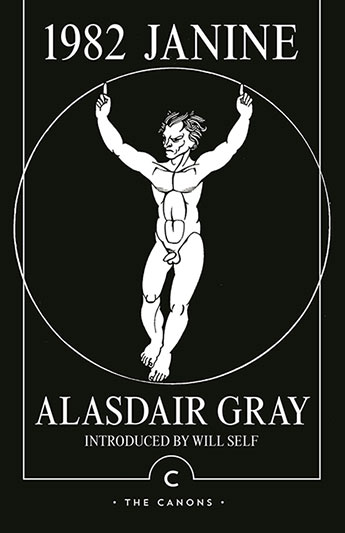
1982, Janine - Alasdair Gray (1984)
A middle-aged Scottish hotel-security supervisor spirals through alcohol, political bitterness, sexual fantasy and self-loathing during one long night in a hotel room. This one has some typographic ergodic elements (chapter 11 splits the text into several parallel voices on each page), although mostly it’s hard to read because form and psychology are deeply tangled. I’m not a huge fan of pornographic fantasy as a narrative device myself, and it seems pretty polarising as the popularity of this work is quite controversial.
Canongate (2019). 9781786893963. (First published 1984).
➤ Find it at Amazon | B&N | Waterstones | Blackwells | Abes | eBay
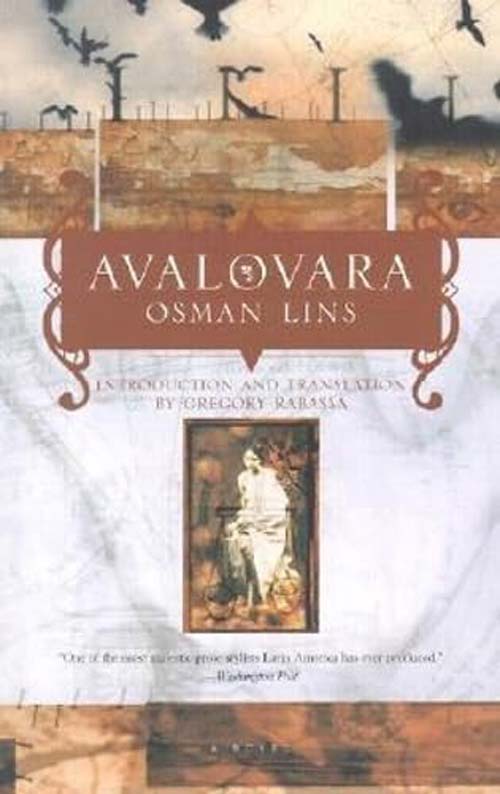
Avalovara — Osman Lins (1973)
This is a strange, ergodic-adjacent alphabetically structured novel. Osman Lins builds the book around a spiral, a magic square and the Latin palindrome SATOR AREPO TENET OPERA ROTAS, letting the story move through interwoven narrative strands.
Dalkey Archive / Deep Vellum paperback. Translated by Gregory Rabassa. 9781564783202.
➤ Find it at Amazon | B&N | Waterstones | Blackwells | Abes | eBay